Quick answer
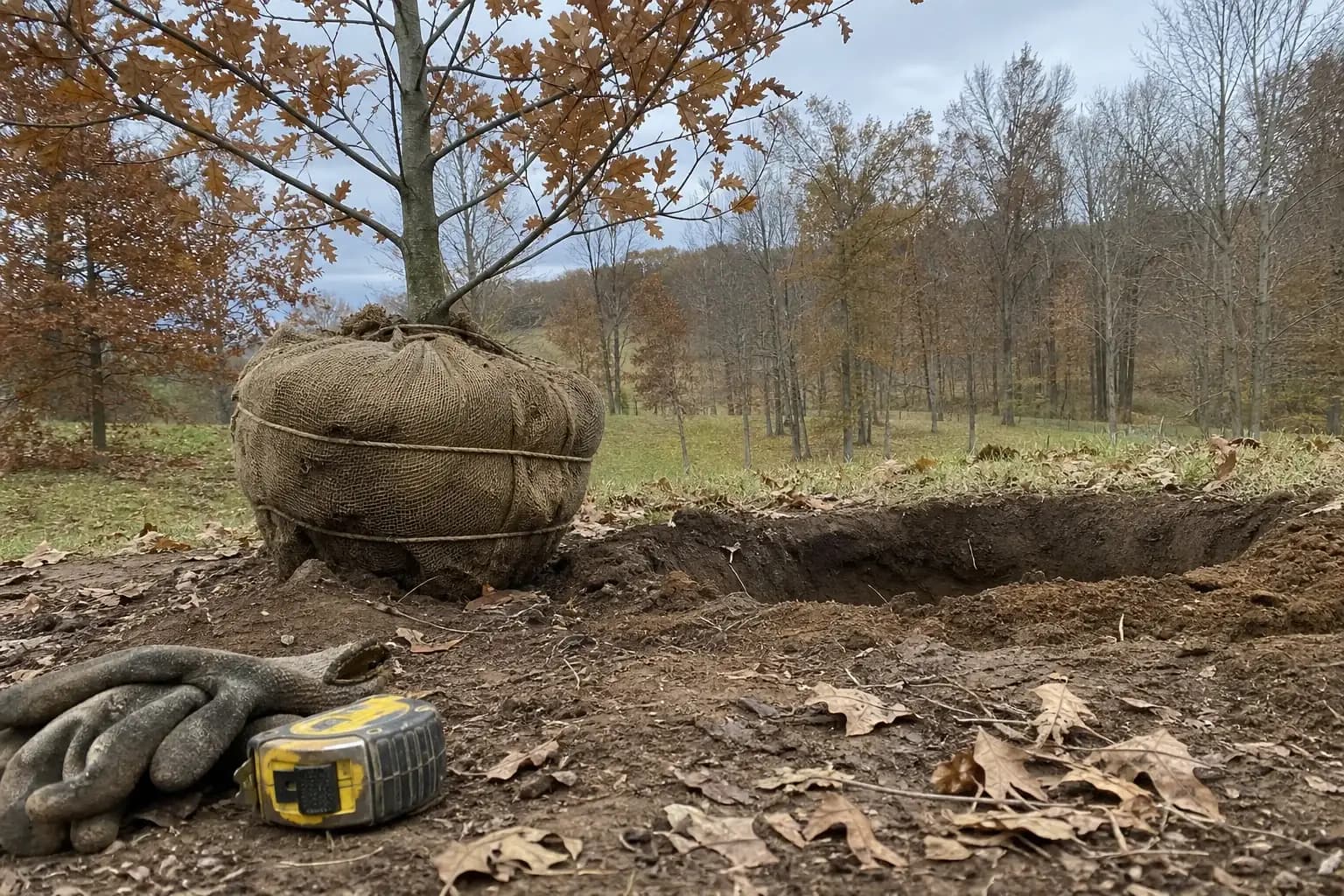
Fall usually gives new trees the best establishment conditions in Lexington because soil stays warm while air temperatures cool. Spring can still be the right window for some species and schedules, but the tree has less root-establishment time before summer heat. Avoid peak summer heat and frozen winter ground when possible.
Choose the season, then prepare the first-year care plan
A good planting window helps, but timing only works when installation and aftercare support establishment.
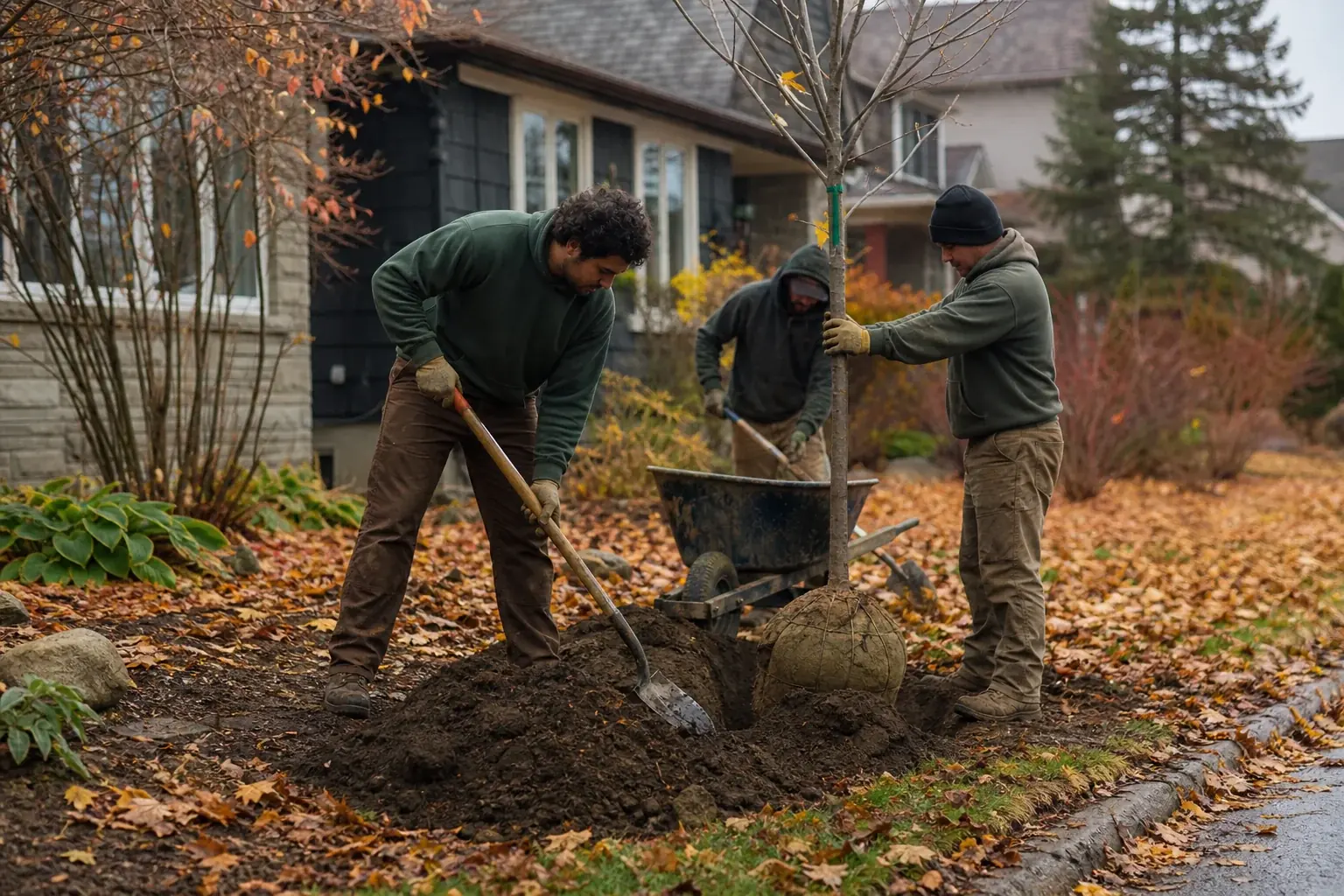
Choose fall when possible
Use September through early November when the site is workable and the tree can build roots before winter.
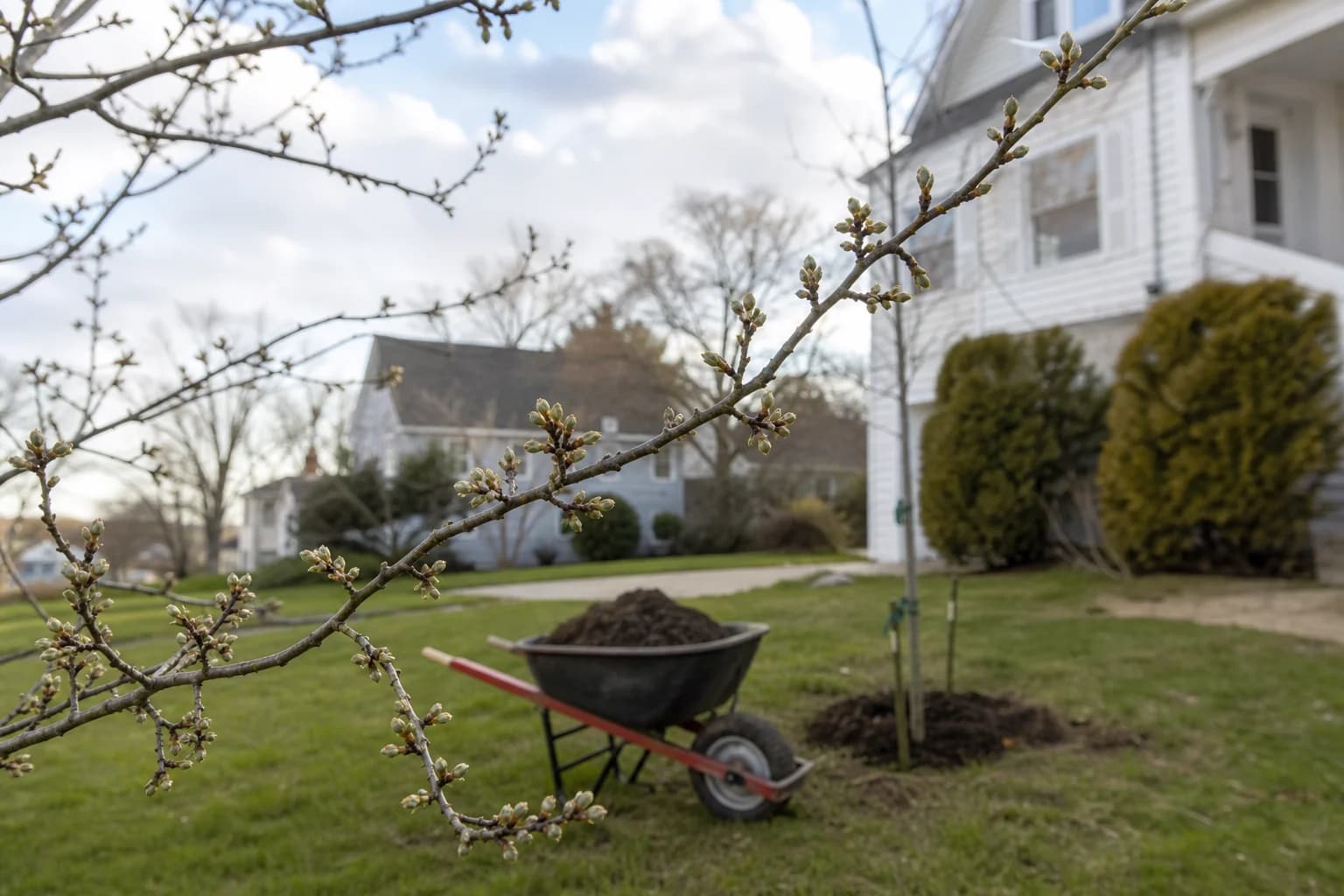
Use spring when the species or schedule calls for it
Spring can work well with the right tree, but watering needs are higher before summer heat arrives.
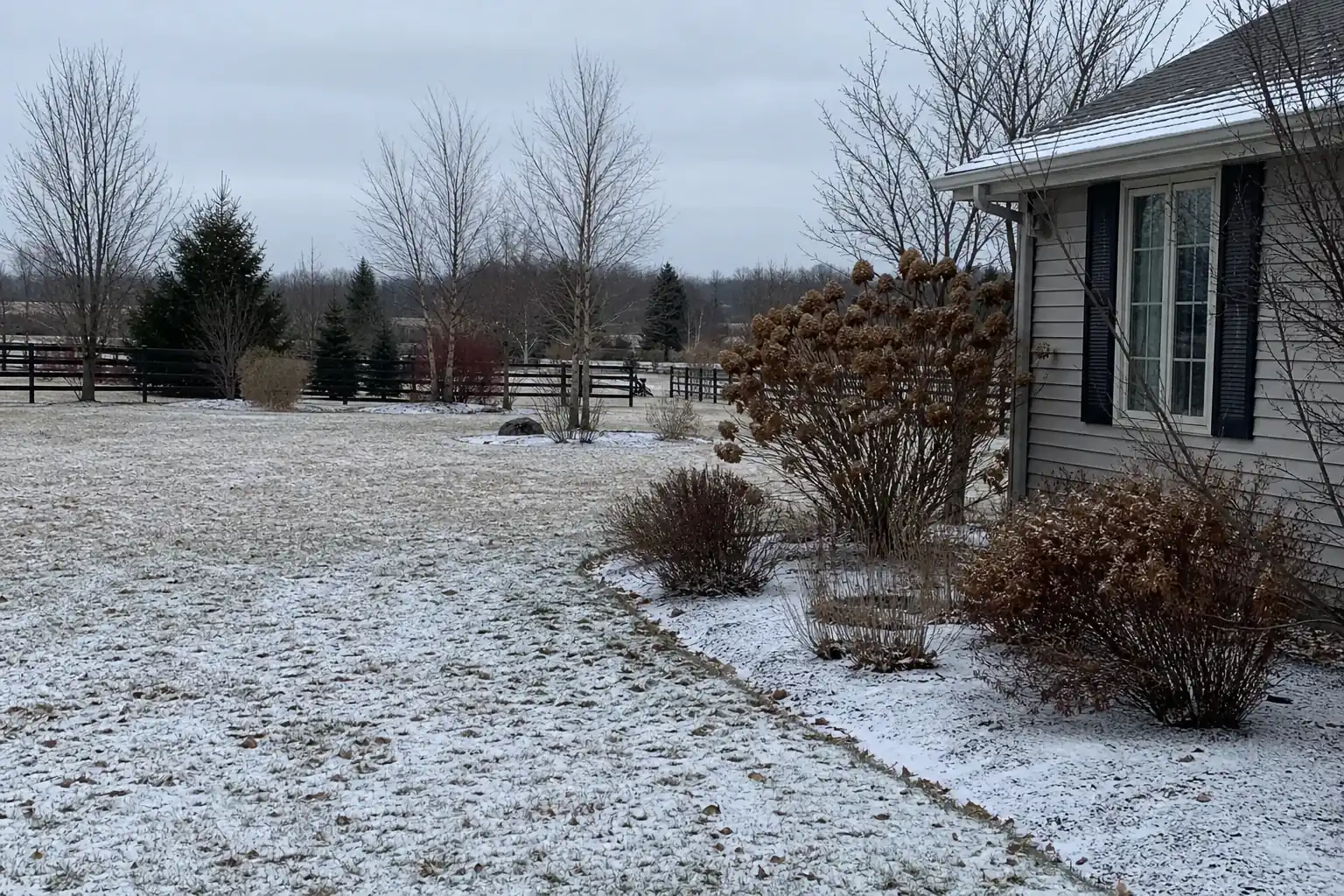
Avoid the highest-risk windows
Peak summer heat and frozen winter ground create stress that a newly planted root system is poorly equipped to handle.
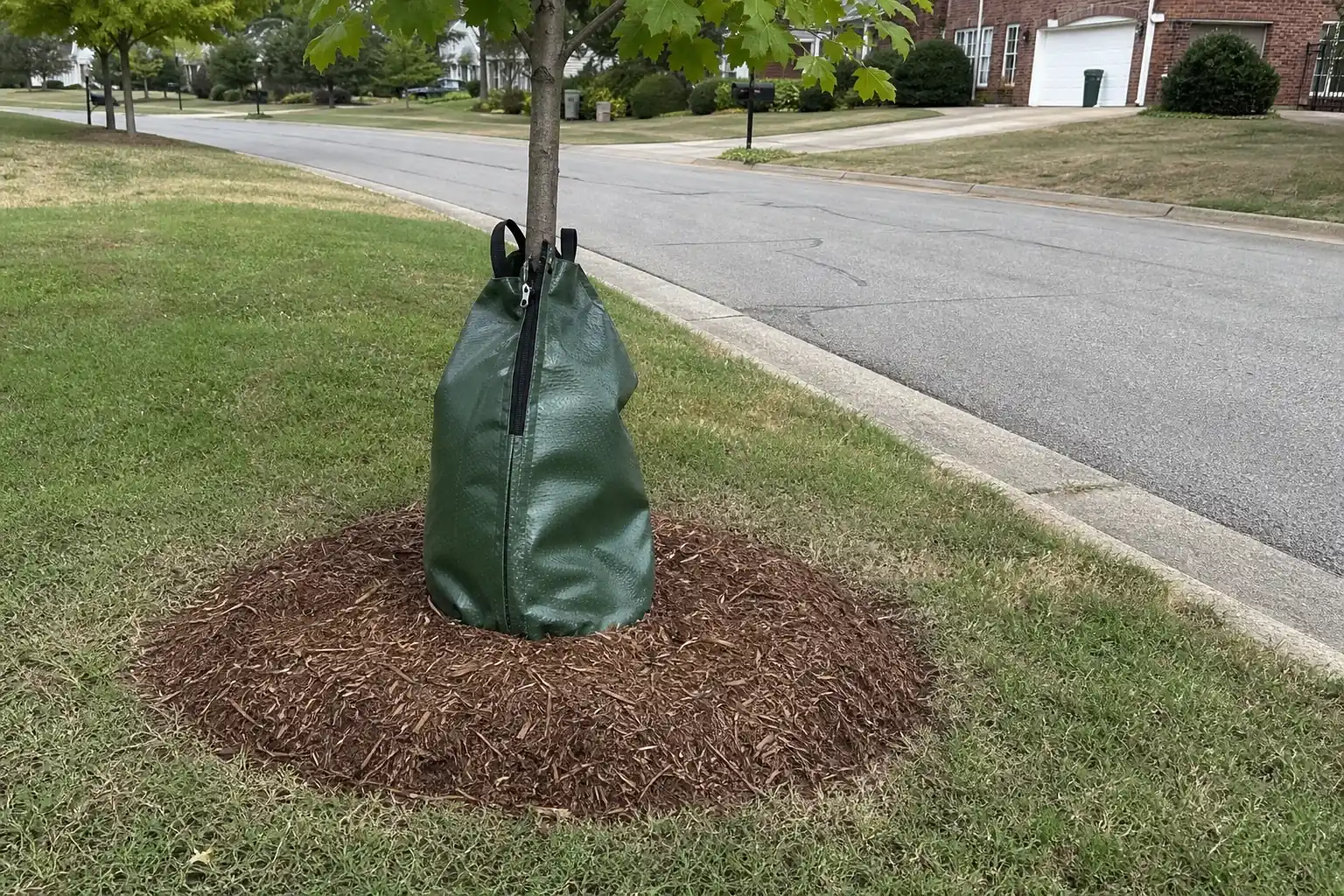
Set up first-year aftercare
Plan deep watering, a clean mulch ring, and staking only where needed so the tree can establish after installation.
Planting timing mistakes that raise establishment risk
Planting during peak summer heat without a serious watering plan.
Waiting until late fall when soil temperatures are dropping quickly.
Treating spring planting as low-maintenance before summer heat arrives.
Skipping mulch-ring and watering guidance after the tree is installed.
Why planting season matters more than most homeowners expect
Timing affects root establishment, transplant survival, and first-year health. Trees planted at the wrong time of year face avoidable stress - heat shock in summer, waterlogged clay in wet springs, or frozen ground that stops root growth before it starts.
Lexington's clay-heavy soils add another layer to this decision. Clay warms slowly in spring and holds warmth longer in fall. That single characteristic changes the seasonal calculus compared to properties with sandy or loamy soil, where spring planting windows open earlier and close faster.
Why fall is often the strongest planting window in Lexington
Fall planting works well in Central Kentucky because the soil stays warm after air temperatures drop. Root growth continues even after leaves fall, giving a newly planted tree weeks of establishment before the ground freezes. Cooler air reduces transpiration stress, and fall rainfall typically reduces the watering burden compared to spring.
Lexington's first frost dates typically run mid-to-late October. Soil temperature stays workable considerably longer than air temperature suggests - often into November on well-drained sites. Planting in September and early October gives the strongest establishment window. Planting after early November gets riskier as ground temperatures drop.
Tree planting projects booked in early fall have the best establishment window on most Lexington properties. If fall planting is the goal, scheduling before the season fills up matters.
When spring planting makes sense and what to watch for
Spring planting is valid but comes with trade-offs. A tree planted in spring has less root establishment time before summer heat arrives. Watering demands are higher, and the window between the last frost and first heat wave in Kentucky can be short.
Kentucky's spring is also unpredictable - late freezes into April are common, and sudden warm spells can stress a newly transplanted tree before it has settled. The safe planting window after the last frost and before consistent summer heat often runs just four to six weeks.
Some species genuinely prefer spring planting. Oaks and magnolias tend to establish better when planted after winter dormancy breaks. For those species, a well-managed spring plant with consistent early watering can be the right call.
When NOT to plant trees in Central Kentucky
The highest-risk windows are peak summer heat (July and August) and deep winter when the ground is frozen. Summer planting puts immediate water stress on a tree with no established root system. Heat combined with Lexington's clay soil drying and cracking can cause transplant failure even with attentive aftercare.
Late fall planting - after mid-November on most sites - gives the tree little time to establish any root growth before the ground becomes too cold. Container stock with heavy irrigation support can survive summer installation, but it is a harder path with a higher failure rate.
The honest rule: fall and spring are almost always better windows. Summer and deep winter planting should be reserved for situations where timing cannot be controlled.
Soil temperature, root establishment, and what Lexington clay means for timing
Root growth is driven by soil temperature, not air temperature. Most tree roots grow actively when soil temperature is above 45–50°F. In Central Kentucky's clay-heavy soils, this window extends further into fall and opens later in spring than the air temperature would suggest.
Clay warms slowly in spring because it holds moisture and has a higher heat capacity than sandy soil. The same property means it holds warmth longer in fall - which is the main reason fall planting often outperforms spring for Lexington properties.
Understanding this is useful for timing decisions, not a botany lecture. The practical takeaway: fall in Lexington gives more soil-temperature-driven root growth time than the calendar might suggest.
What the first 12 months after planting should look like
The first year after planting is the highest-risk period for a new tree. Root systems are shallow, the tree is still adjusting to the site, and water stress or staking problems can set back establishment significantly.
Watering is the most important variable. Tree installs can qualify for a 1-year plant warranty. Warranty applies with proper watering - twice daily, morning and evening. Watering outside peak sun prevents scorch.
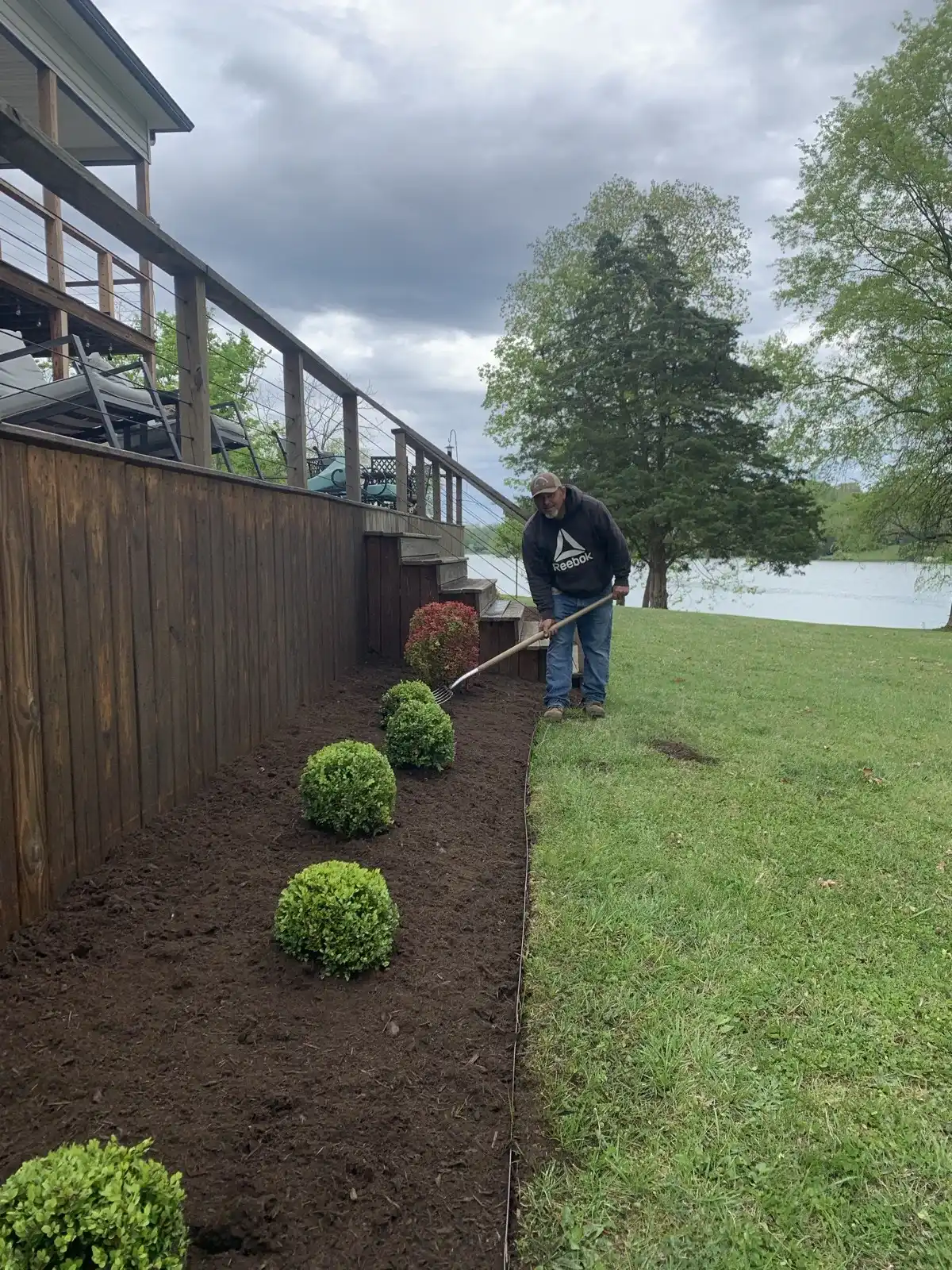
A mulch ring helps retain moisture and moderate soil temperature, but depth is set per property/bed condition and mulch should be pulled back from the trunk to avoid rot. Staking helps prevent wind rock in the first season but should be removed after 12 months to avoid restricting trunk development.
The installer should provide specific aftercare guidance based on the species, site, and planting method.