Quick answer
The best tree for a Central Kentucky property depends on what it needs to do. Shade trees need room and soil volume, ornamental trees need the right scale near the house, privacy trees need spacing as a row, and street trees need durability. Species choice should follow the goal, mature size, sun, soil, and access.
Match the tree role to the property goal
Use these examples to sort the tree conversation before choosing a species list. The right tree type depends on the role it needs to play on the property.
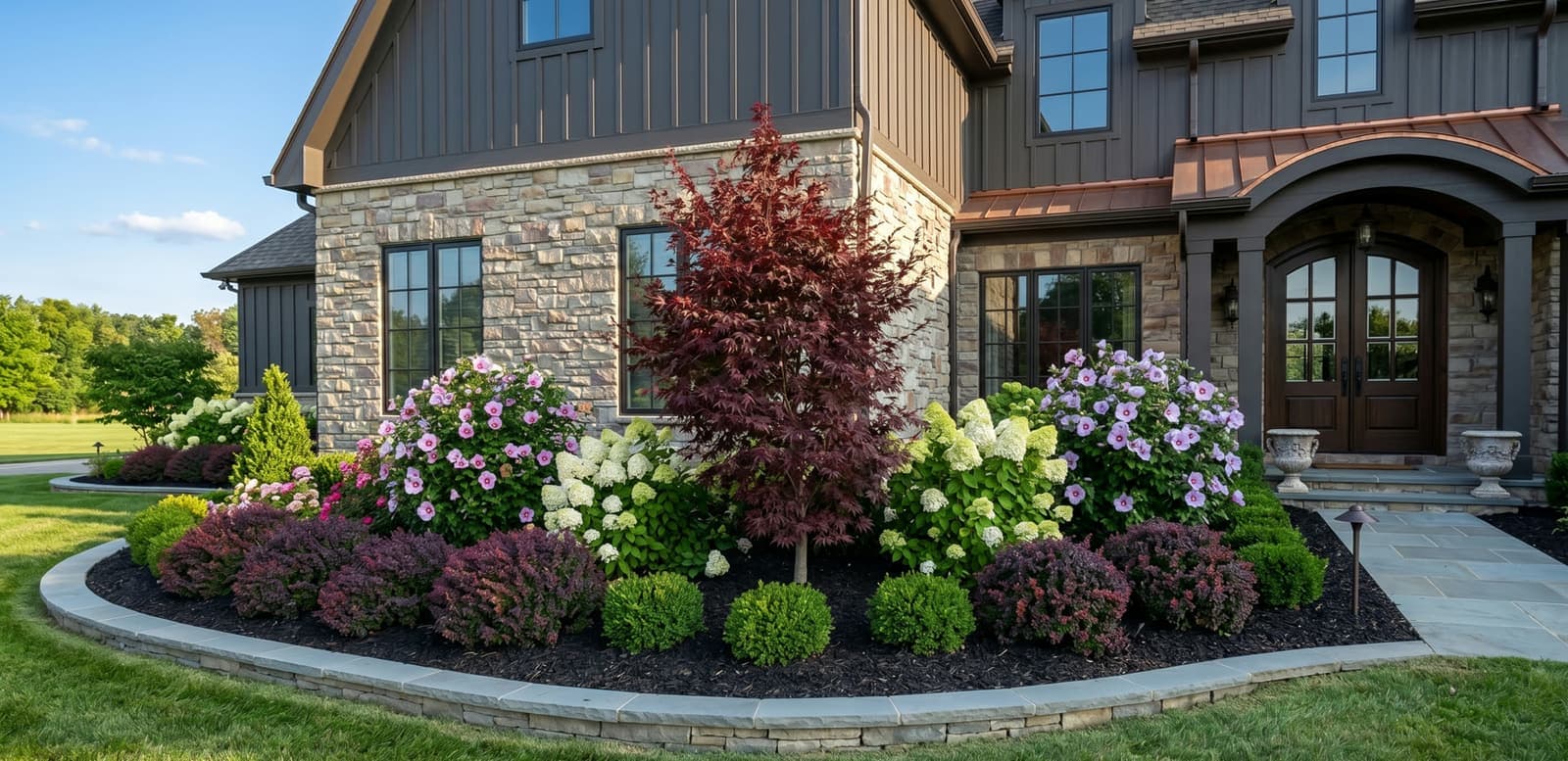
Ornamental focus
The tree needs to add structure, seasonal interest, or a focal point near the home. Compare ornamental options by mature size, visibility, and how much space the bed gives the canopy.
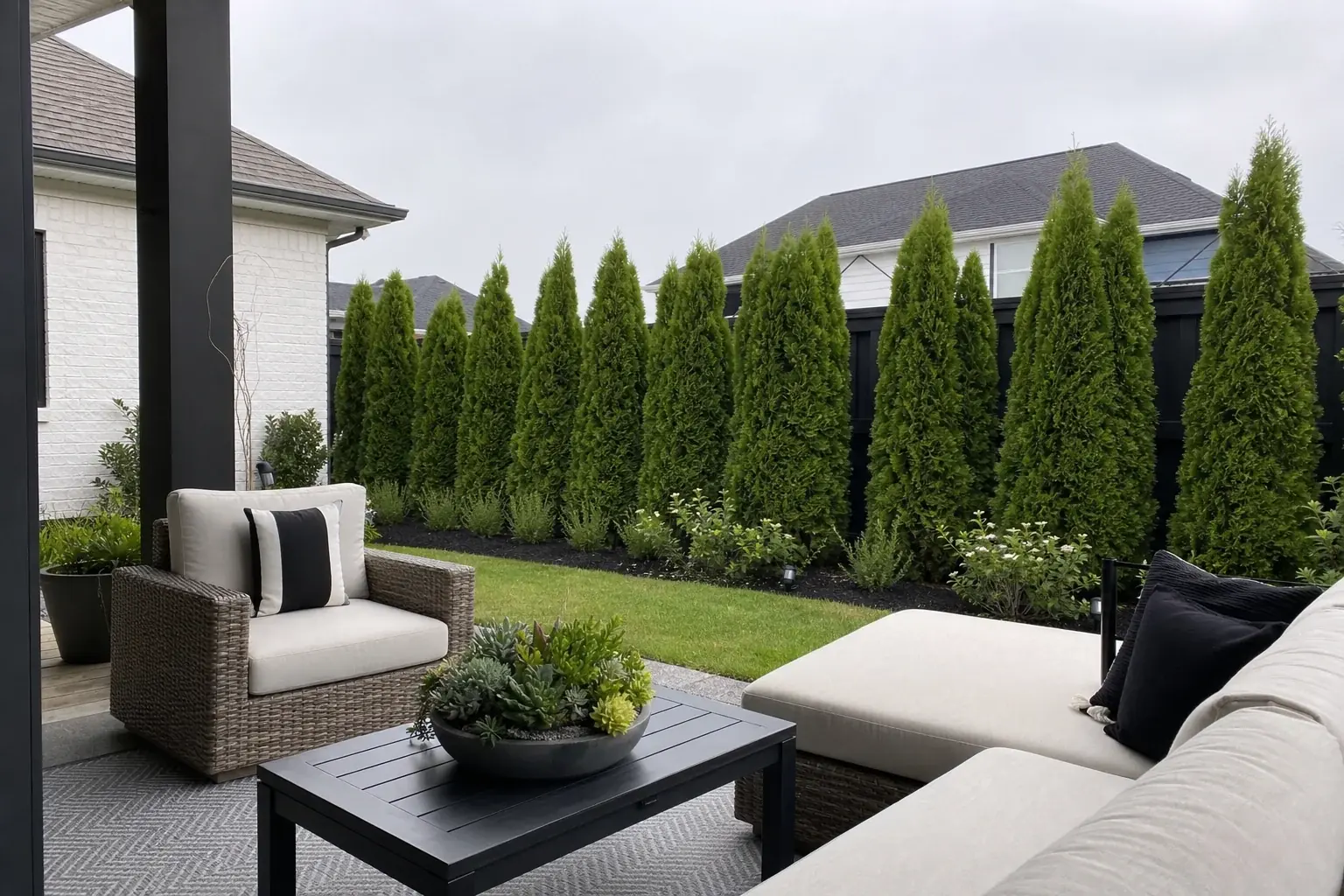
Privacy screen
The goal is coverage across a fence, patio, driveway, or neighboring view. Use privacy-tree planning when the project is a row, not a single specimen tree.
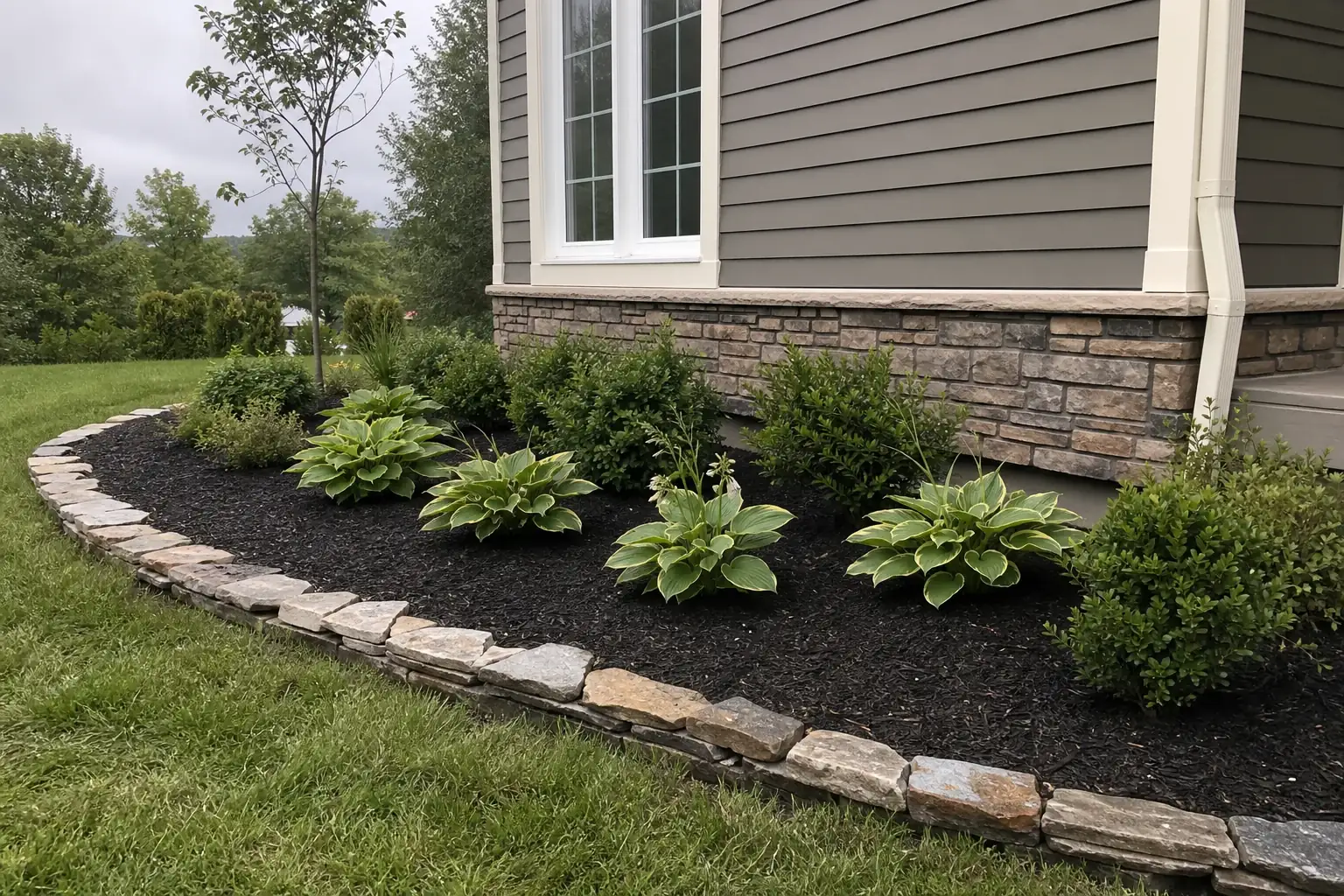
Foundation scale
The tree or large shrub needs to fit the house, bed shape, and walkway clearance. Keep the choice small enough for the bed or move into design planning before installation.
Choose a tree in the order that avoids expensive mistakes
Species lists are useful only after the job and site are clear. This order keeps the selection practical.
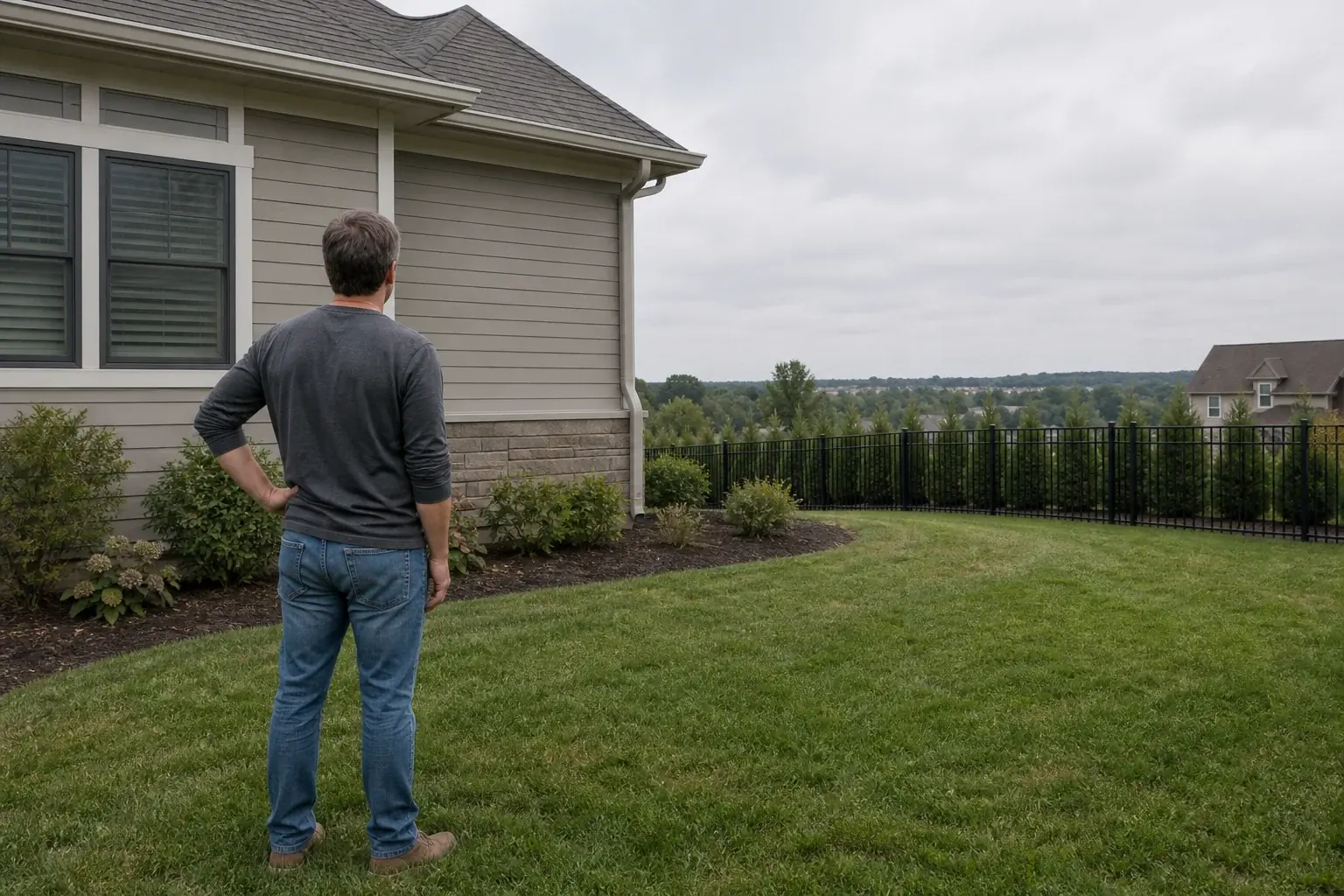
Define the job
Decide whether the tree needs to provide shade, flowers, privacy, street structure, or a front-yard focal point.
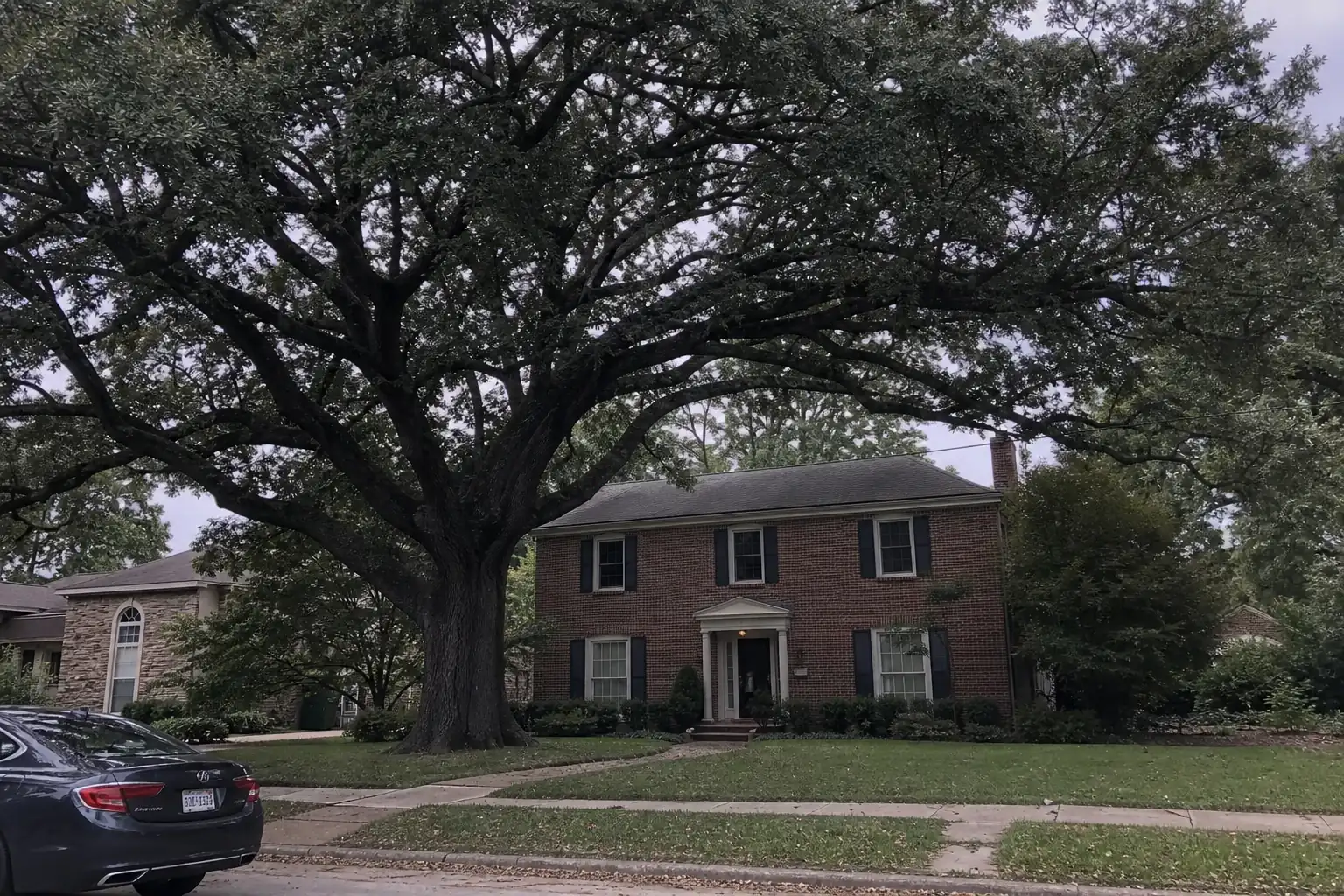
Check mature size
Compare mature height, spread, and root-zone needs against the house, driveway, sidewalk, utilities, and lawn space.
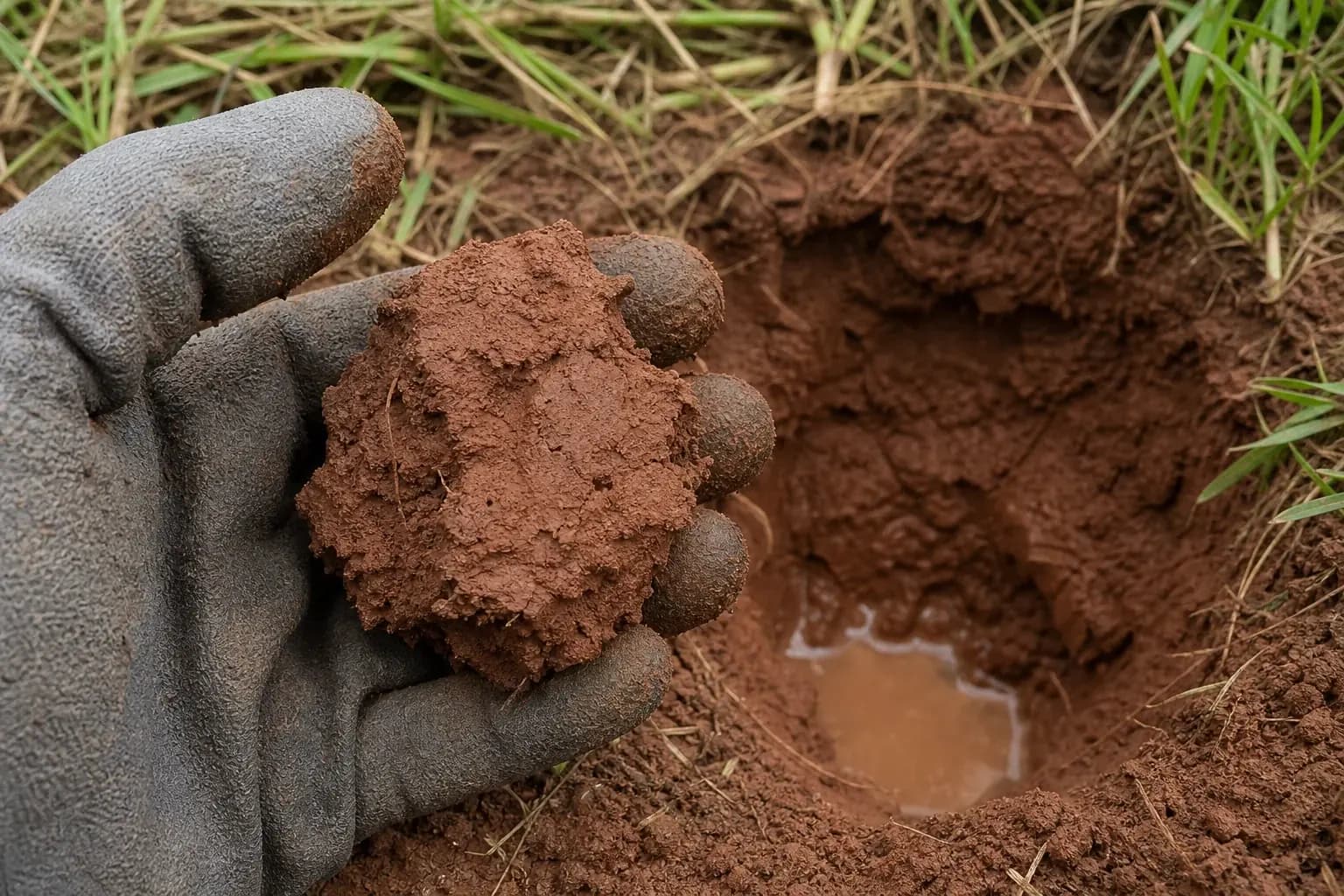
Match site conditions
Confirm sun, drainage, clay soil tolerance, exposure, and access before treating any species as the final answer.
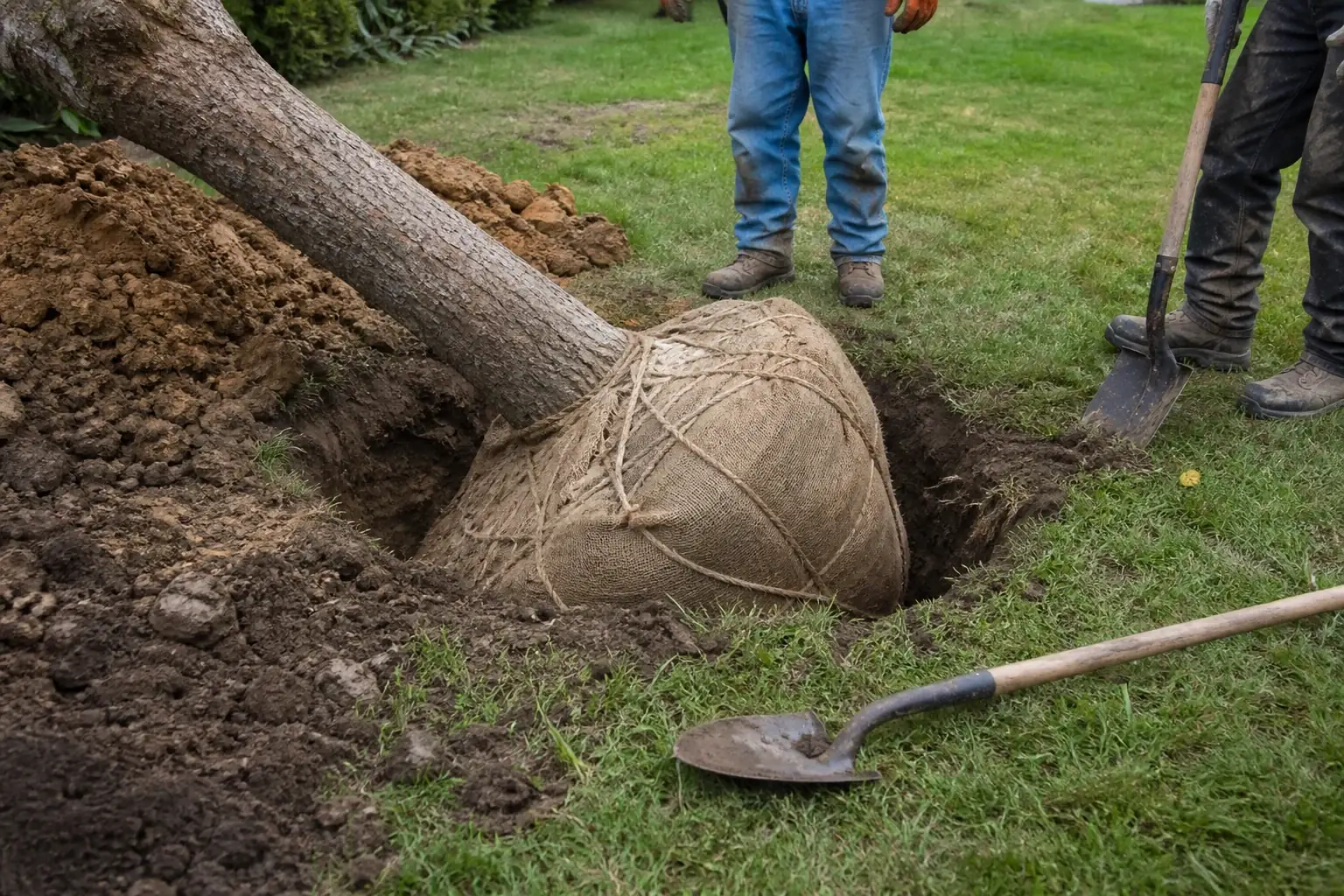
Route the install
Use tree planting for specimen or shade trees, and privacy tree installation when the scope is a planned evergreen row.
Tree selection mistakes that show up years later
Choosing a tree for fall color without checking mature width.
Using a privacy tree when the property needs a layered planting plan.
Planting a large shade tree too close to the house, driveway, or utilities.
Picking from a species list before checking sun, soil, drainage, and access.
Best shade trees for Central Kentucky properties
Shade trees need room to mature, enough soil volume to establish, and a placement plan that makes sense years after installation. In Central Kentucky, the strongest choices often combine canopy size, fall color, and tolerance for variable soil moisture.
Autumn Blaze Maple and Red Sunset Maple are popular when the homeowner wants faster growth and strong fall color. Bur Oak is slower but tough, long-lived, and useful on larger properties. Tulip Poplar gives fast vertical growth and a large canopy when there is room. Skyline Honey Locust can provide lighter shade with a more open canopy, while Fall Fiesta Sugar Maple is a strong fit when fall color and a classic shade-tree shape matter.
Autumn Blaze Maple: fast growth, red fall color, and a broad shade-tree role
Red Sunset Maple: medium growth, red fall color, and good shade value
Bur Oak: slower growth, high toughness, and strong fit for larger properties
Tulip Poplar: fast growth, large mature size, and strong canopy potential
Skyline Honey Locust: lighter filtered shade and useful street or yard structure
Fall Fiesta Sugar Maple: strong fall color and a classic shade-tree presence
Best ornamental and flowering trees
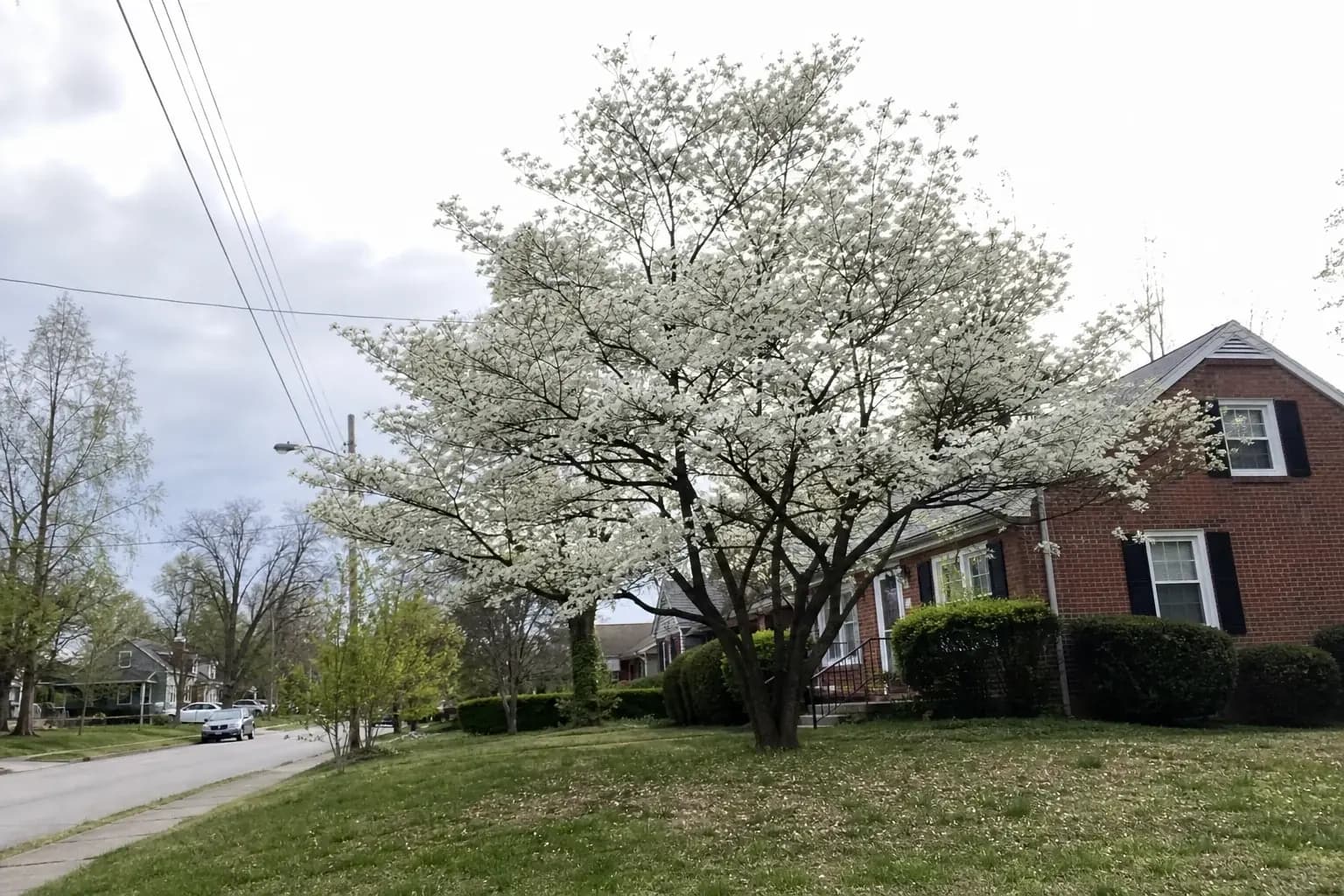
Ornamental trees are usually chosen for curb appeal, seasonal color, and scale near the home. They still need careful placement because a small ornamental in the wrong location can create long-term crowding or visibility issues.
Redbud works well as a Kentucky-native flowering choice, including clump forms where the structure fits. Bloodgood Japanese Maple brings a smaller ornamental role and strong foliage color. Royal Raindrops Crabapple and Ivory Silk Lilac can add spring interest, Sweet Bay Magnolia adds fragrant flowers and a softer look, and Autumn Brilliance Serviceberry brings flowers, fruit, and fall color in a compact tree.
Redbud: spring bloom, Kentucky fit, and useful small-tree structure
Bloodgood Japanese Maple: compact ornamental size and deep foliage color
Royal Raindrops Crabapple: spring flowers, fruit interest, and purple foliage
Ivory Silk Lilac: fragrant late-spring bloom and small ornamental scale
Sweet Bay Magnolia: fragrant flowers and a softer broadleaf look
Autumn Brilliance Serviceberry: flowers, berries, fall color, and manageable size
Best fast-growing trees when you want results sooner
Fast growth is useful, but it should not be the only selection factor. The right tree still has to fit the site, the mature width, the soil, and the amount of care the property can support while the tree establishes.
Autumn Blaze Maple, Tulip Poplar, Green Giant Arborvitae, Norway Spruce, Eastern White Pine, and Triumph Elm are useful examples when quicker growth matters. The right pick depends on whether the goal is shade, privacy, vertical structure, or a more formal street-tree role.
Autumn Blaze Maple and Tulip Poplar are shade-tree options when space allows
Green Giant Arborvitae can fit fast evergreen screening goals
Norway Spruce and Eastern White Pine work better where larger evergreen structure has room
Triumph Elm can fit street or parkway-style structure when the site calls for it
Best privacy and screening trees
Privacy trees deserve their own spacing conversation because the goal is usually coverage, not a single specimen tree. Evergreen screens need enough room to fill in without competing too tightly.
If privacy is the main goal, use the dedicated privacy trees guide for species comparison and the privacy tree installation page when you are ready to plan the row, spacing, and installation.
Green Giant Arborvitae is popular when fast evergreen coverage is the priority
Norway Spruce can work well for larger properties and windbreaks
Emerald Green Arborvitae fits tighter, more formal spaces
Eastern Red Cedar can be useful on tougher dry or rural sites
Best street and parkway trees
Street and parkway trees need a different kind of durability. They often deal with compacted soil, reflected heat, tighter spacing, and visibility needs that do not apply the same way in an open yard.
Patriot Elm, Green Vase Zelkova, European Hornbeam, State Street Maple, and Ginkgo Biloba are useful examples when the tree needs a more formal upright shape, urban tolerance, or a manageable mature size.
Patriot Elm and similar elm varieties can provide upright street-tree structure
Green Vase Zelkova is useful where urban tolerance and vase shape matter
European Hornbeam can fit tighter formal spaces
State Street Maple offers maple structure with parkway use in mind
Ginkgo Biloba is slow to medium growing, tough, and tolerant of difficult urban conditions
Best trees for wet or clay soil
Many Central Kentucky properties have clay-heavy or moisture-variable soil. That does not mean every wet-tolerant tree belongs everywhere, but it does mean tree selection should account for drainage and low spots.
Swamp White Oak, October Glory Red Maple, Golden Weeping Willow, London Planetree, and Sweetgum are useful examples when moisture tolerance is part of the decision. Placement still matters, especially with large-maturing trees.
Swamp White Oak: strong oak option for wetter soil conditions
October Glory Red Maple: red fall color and tolerance for medium-to-wet sites
Golden Weeping Willow: fast growth and wet-site fit where space is available
London Planetree: large shade-tree structure and urban tolerance
Sweetgum: fall color and fit for sites with enough room
Best trees for dry or difficult sites
Dry, exposed, or tougher sites need trees that can handle stress once established. The goal is not to force a delicate ornamental into a difficult location just because it looks good in a catalog.
Bur Oak, Scarlet Oak, Shingle Oak, Ginkgo Biloba, and Eastern Red Cedar are useful starting points for tougher locations. Final selection should still account for available space, sun, access, and the finished look the property needs.
Bur Oak: tough, long-lived, and useful on larger dry sites
Scarlet Oak and Shingle Oak: oak options for dry-to-medium conditions
Ginkgo Biloba: durable and tolerant once established
Eastern Red Cedar: drought-tolerant evergreen structure for rural or exposed locations