
Best Privacy Trees for Lexington, KY Yards
A research-first guide to privacy plantings in Lexington, with realistic spacing guidance and practical handoffs into privacy tree installation or design consultation when the time comes to move beyond research.
QUICK ANSWER
Use privacy trees when the screen needs height, year-round structure, and enough room to mature.
For Lexington yards, privacy trees work best when the problem is a clear sightline across a fence, driveway, patio, or neighboring property. We typically install 8–10 ft trees at ~5 ft on-center: immediate screening that still grows in. Most popular: Green Giant and Emerald Green arborvitae.
- A clean row needs enough spacing to fill in without crowding itself later.
- Mixed planting or design support may be better when the bed needs layers instead of one screen.
- Privacy tree installation should be planned around mature size, not the size on delivery day.
Use This Guide to Shortlist Screening Options Before Installation
This guide is here to help you think through privacy goals, spacing, and evergreen plant fit before the property moves into a privacy tree installation conversation.
Best for
Top-of-funnel privacy-screen research before the install scope is defined
Primary handoff
Privacy tree installation first, then design consultation when the plan needs more shaping
Scope boundary
Use planting installation only when the need shifts to shrubs, foundation plants, or bed-level planting
VISUAL DIAGNOSIS
Match the privacy goal to the right planting scope
A privacy screen can be a simple row, a mixed planting, or part of a larger design. These visuals help sort the scope before installation.
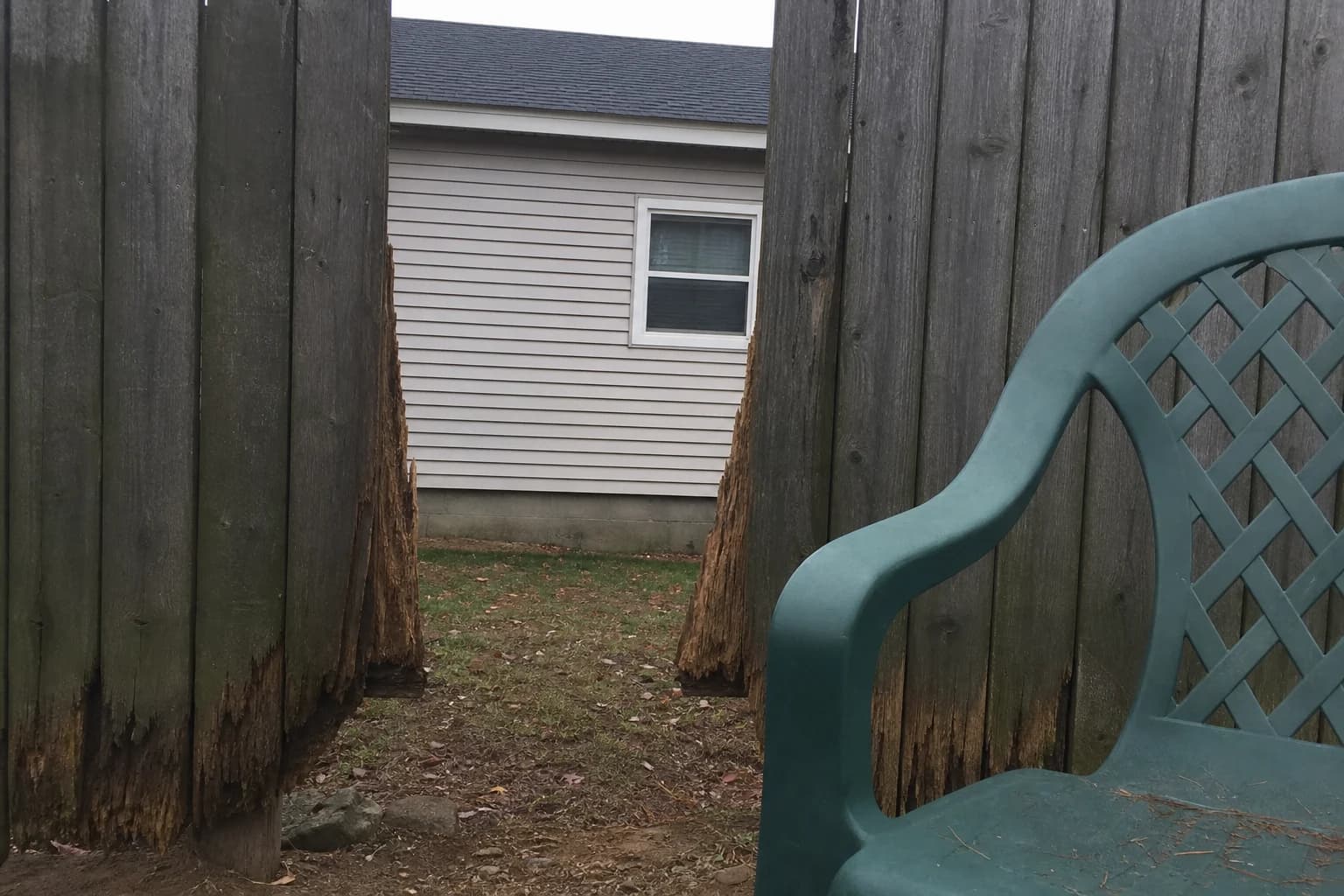
Open sightline
The yard has a visible gap that needs height and year-round cover.
Start with privacy trees if there is room for mature width, spacing, and equipment access.
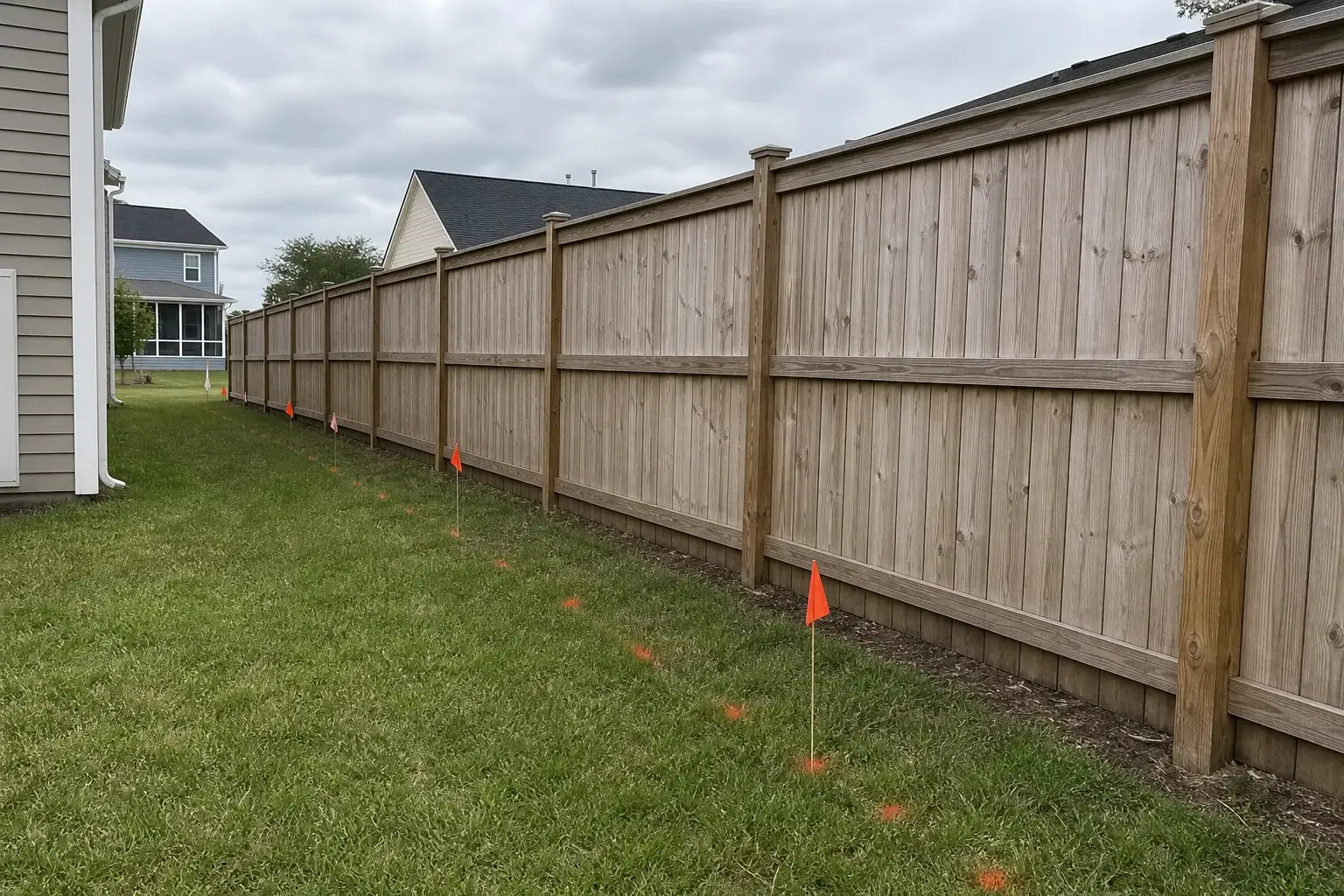
Install planning
Spacing, soil prep, and access need to be settled before the row goes in.
Plan the line before planting so the screen fills evenly instead of crowding or drifting.
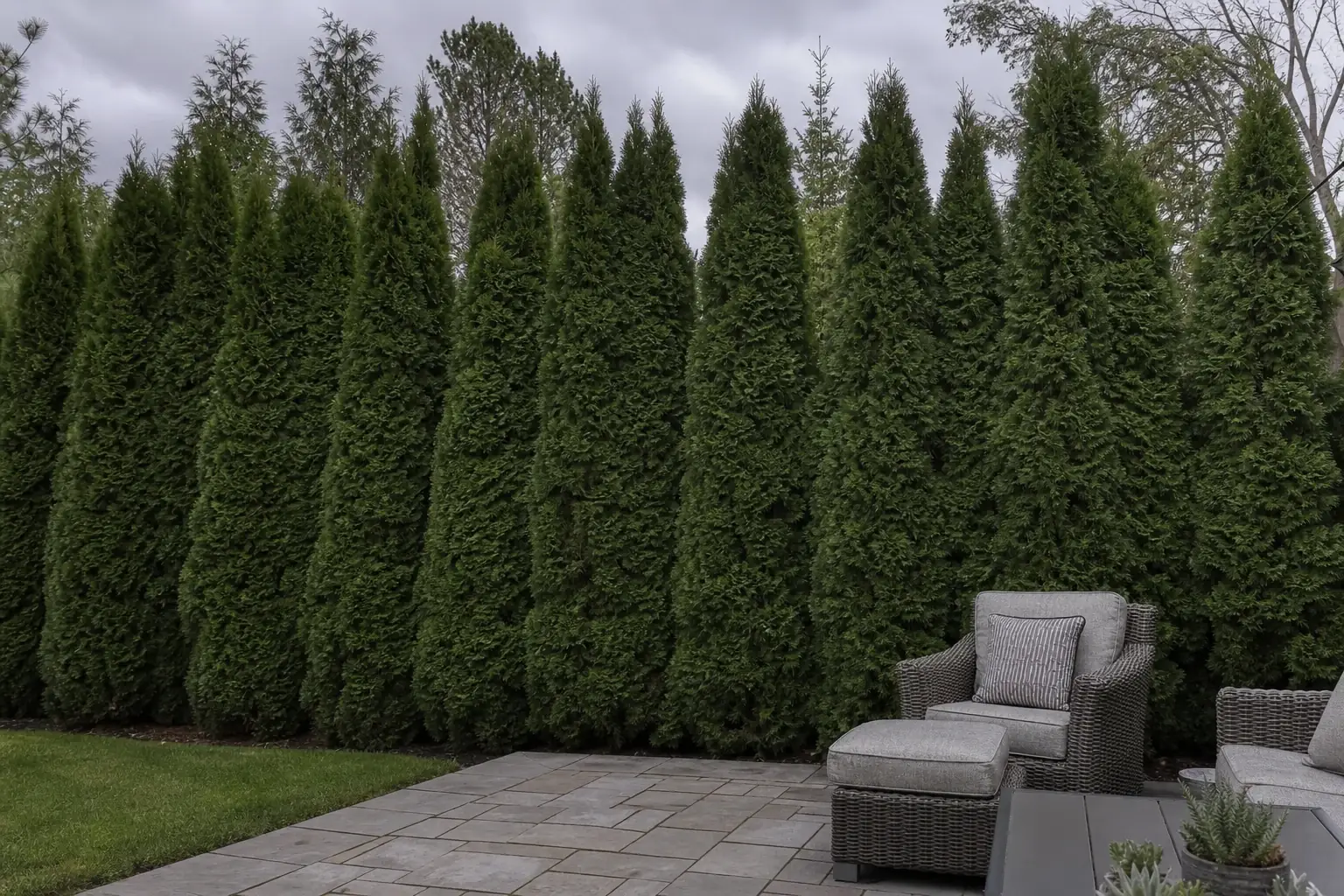
Mature screen
The target is a dense, clean row that still fits the property years later.
Choose plants and spacing based on the finished screen instead of the first-day appearance.
PLANNING ORDER
Plan the screen before choosing the tree
Privacy plantings work best when the site problem is defined first. That prevents tight spacing, poor plant fit, and a row that creates maintenance trouble later.
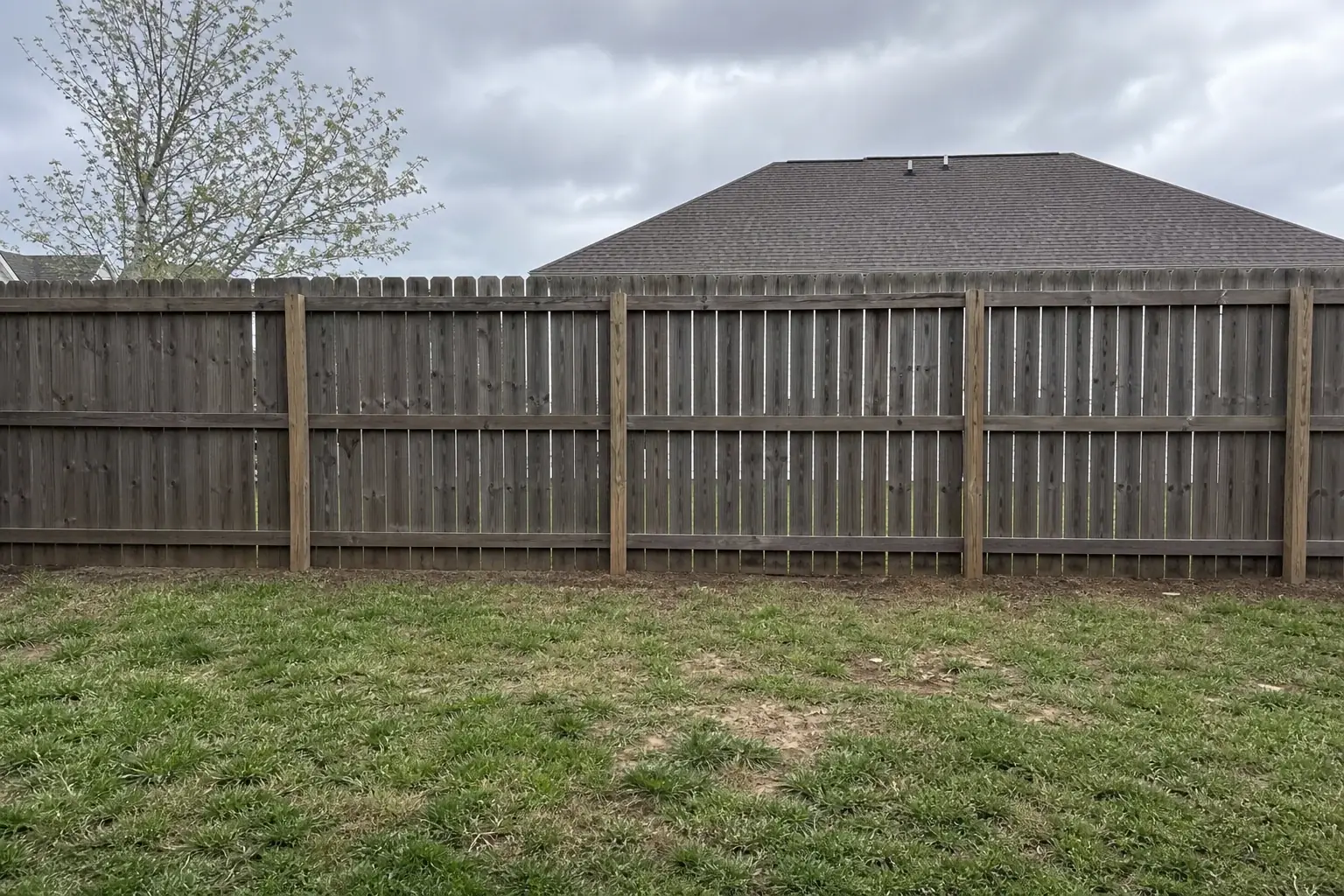
Step 1
Define the sightline
Identify what you are trying to block: a window, patio view, road exposure, neighbor view, or an open fence line.
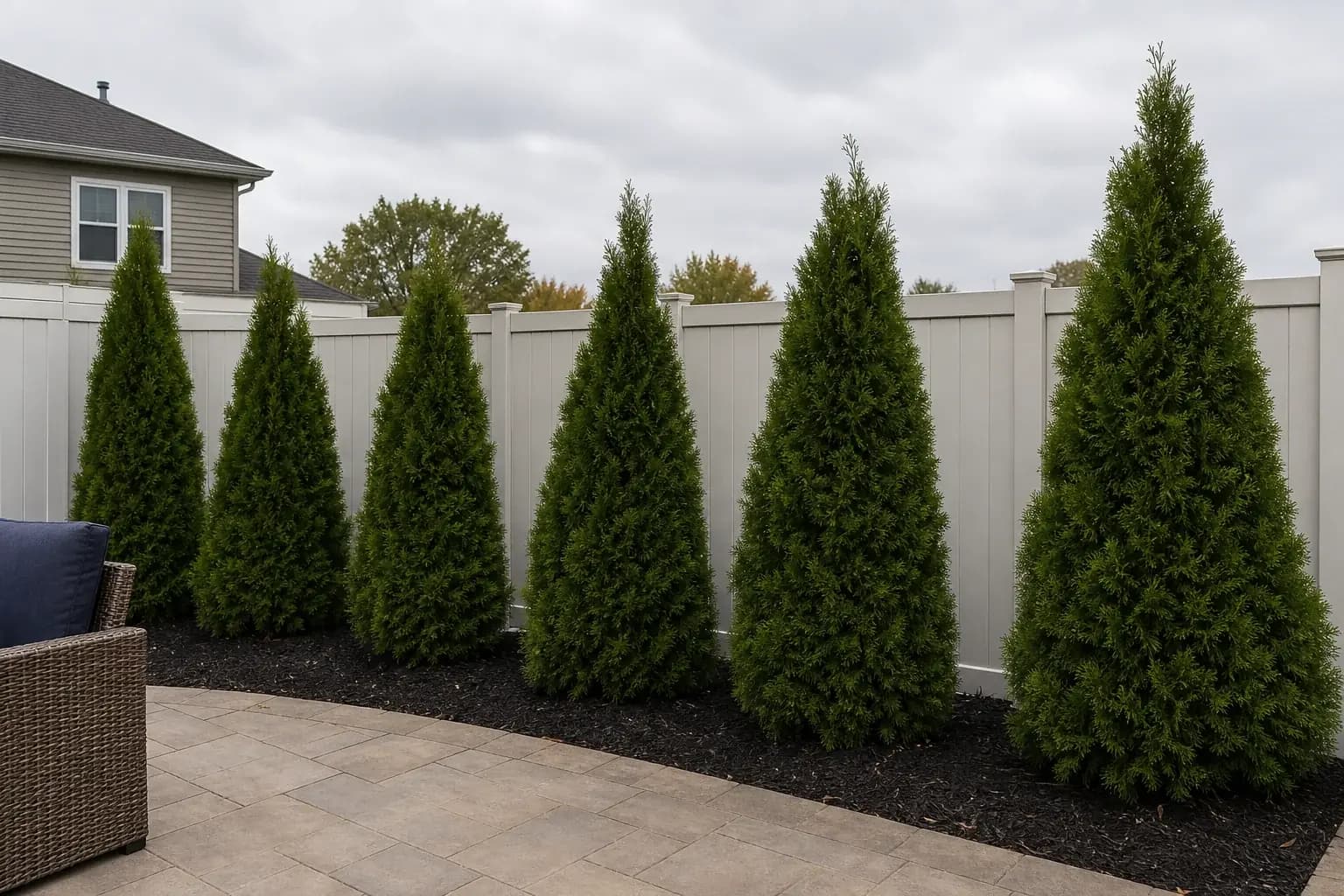
Step 2
Check mature size and site pressure
Confirm sun, drainage, deer pressure, and mature width before committing to arborvitae, holly, or a mixed planting.
Step 3
Mark spacing and access
Set the row around future growth and equipment access. Tight spacing can look full early but fail as the trees mature.
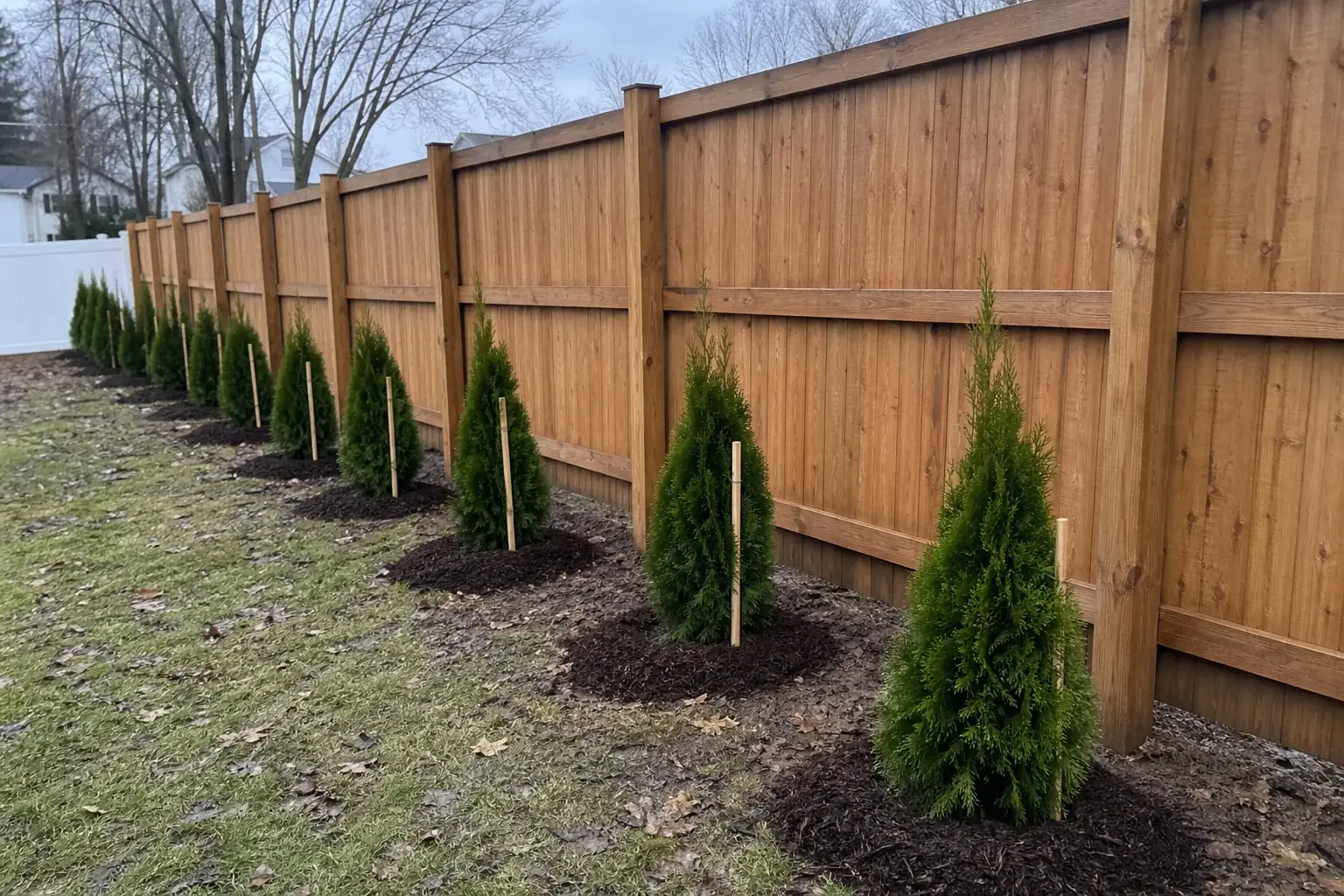
Step 4
Install and water correctly
A privacy screen succeeds after installation when watering, mulch rings, and early care support root establishment. Warranty applies with proper watering - twice daily, morning and evening. Watering outside peak sun prevents scorch.
COMMON MISTAKES
Privacy tree mistakes that create long-term problems
The most expensive privacy-screen mistakes are usually planning mistakes. The row may look full at first, then fail because the mature screen was never planned.
- Planting trees too close together because the row looks thin on installation day.
- Ignoring deer pressure when choosing evergreens for exposed Lexington yards.
- Chasing the fastest growth rate instead of mature fit and durability.
- Treating privacy trees like an instant fence instead of a living screen that needs establishment time.
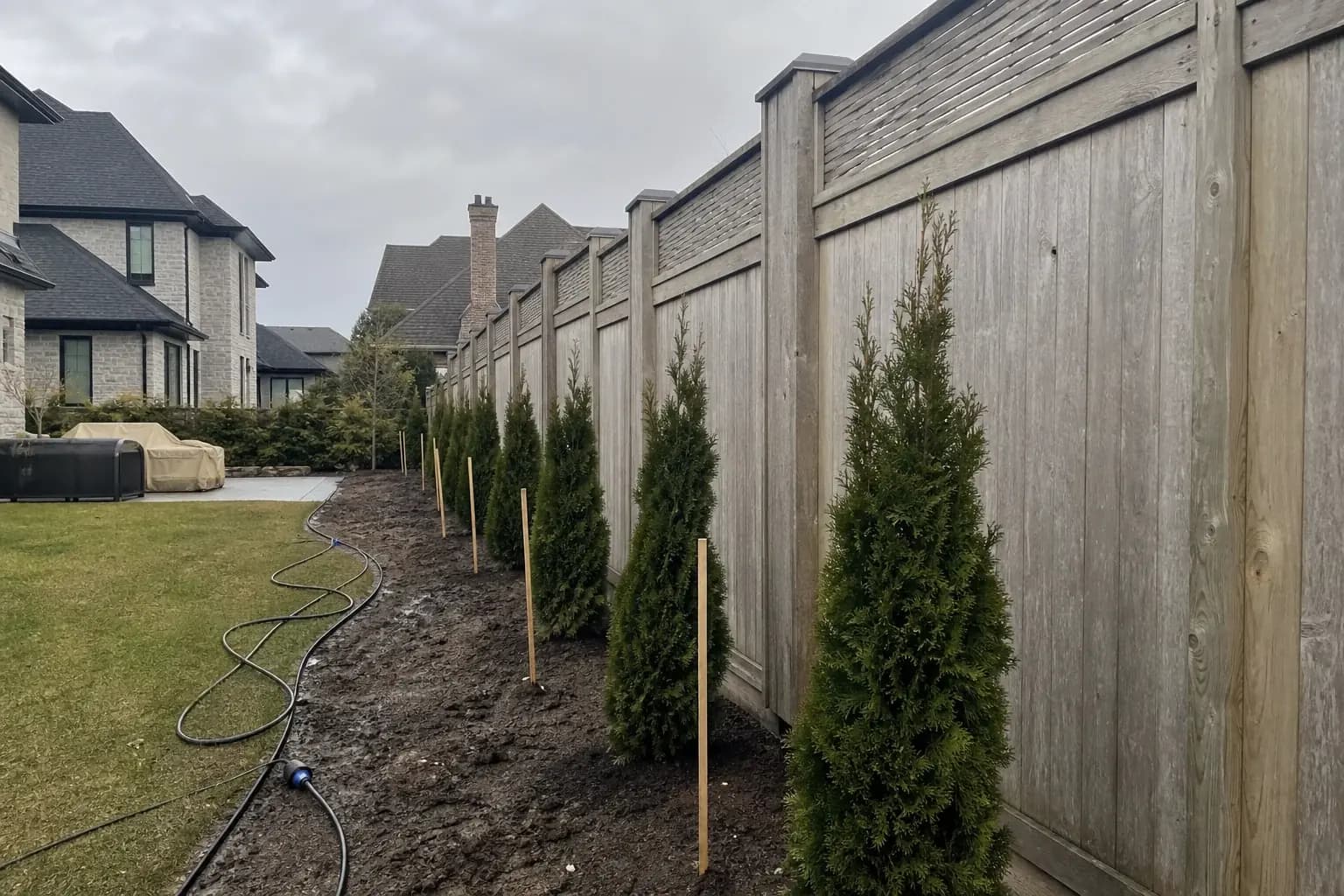
From installation day to finished privacy screen
These examples show what a privacy tree installation looks like on the day of install and once the row is established. The finished screen starts with correct spacing, soil prep, and equipment access.
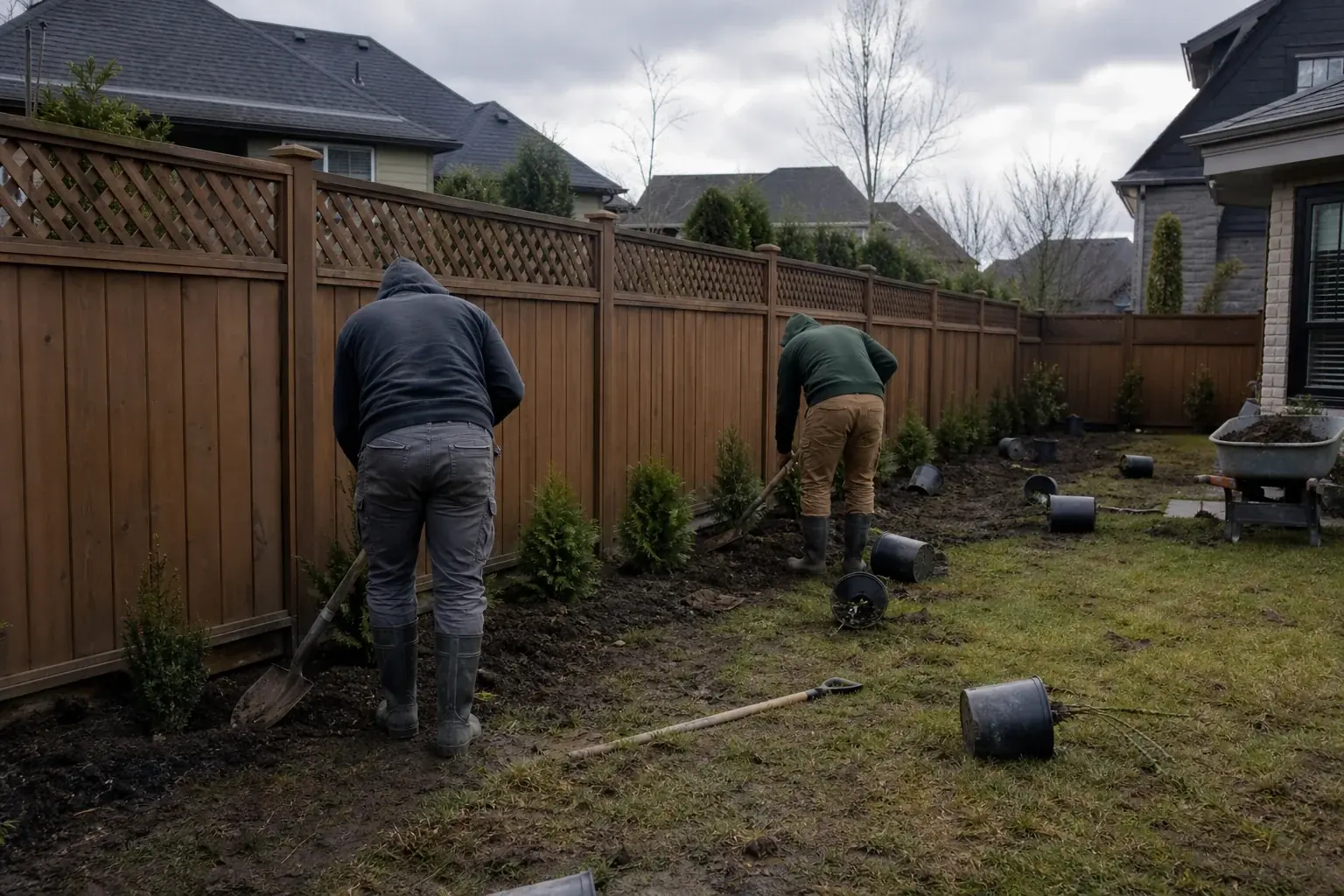
During installation
Equipment access, spacing, and soil prep are all decided on installation day. Getting this right is what allows the row to fill in evenly and hold long-term.
Finished screen
A properly spaced and installed arborvitae row creates a clean, dense screen. This is the target - but it starts with planning the row before a single tree goes in the ground.
FIT
What makes a good privacy planting in Lexington
A good privacy planting is about more than speed. It has to fit the property, handle the site conditions, and mature into something that still works years later instead of creating a spacing or maintenance problem.
That is why this guide should stay practical and Lexington-fit focused. The real goal is to help readers think about screening, structure, and long-term fit before they move into privacy tree installation or design.
CHOICE
When privacy trees are the right choice versus shrubs or a larger bed refresh
Privacy trees are not the only answer. Some properties are better served by shrubs, layered planting, or a broader refresh that changes how the bed works as a whole. That is one of the main reasons this guide should hand off to privacy tree installation, planting installation, or landscape design based on the real scope.
If the question is really about privacy structure and space planning, design consultation may need to come before the install conversation.
SHORTLIST
Arborvitae and holly are the practical shortlist for this first guide wave
The wave-one privacy tree guide should stay conservative. Arborvitae and holly fit the approved shortlist because they connect cleanly to screening use cases without forcing the site into a full plant encyclopedia.
The goal is not to write an exhaustive species database. It is to give the homeowner a practical starting point and then hand off to the live privacy tree, planting, or design pages for the actual scope conversation.
- •Arborvitae is useful when the priority is vertical screening and a tighter row feel
- •Emerald green arborvitae fits the shortlist when the property needs a narrower evergreen screen with a cleaner formal look
- •Holly is useful when the priority includes screening plus structure and a different finished look
- •Fast growth should always be framed as a tradeoff, not a promise
TRADEOFFS
What fast-growing privacy trees really mean in practice
Fast-growing privacy-tree language can attract the wrong expectations if it is handled carelessly. Faster growth can come with more spacing pressure, more maintenance, or a finished result that does not stay clean if the planting is forced into the wrong site.
That is why the guide should keep returning to spacing, mature size, and site fit. The reader should leave with a better shortlist, not with a hype-driven promise that one species will solve every privacy problem instantly.
SPACING
Spacing and placement mistakes to avoid before you plant
We typically install 8–10 ft trees at ~5 ft on-center: immediate screening that still grows in. Most popular: Green Giant and Emerald Green arborvitae.
Spacing is one of the biggest privacy-planting mistakes because a row that looks full at install time can become crowded, uneven, or visually heavy later if the mature size is ignored.
This keeps the page grounded in planning and installation fit instead of trying to answer every tree selection question on the site.
WARRANTY
The first-year warranty depends on watering
Privacy tree installs can qualify for a 1-year plant warranty. Warranty applies with proper watering - twice daily, morning and evening. Watering outside peak sun prevents scorch.
That watering condition matters most in the first summer, when evergreen rows are establishing together and competing for moisture.
Current Proof for Privacy-Planting and Screening-Led Thinking
The current proof set is lighter here than on mulch or renovation topics, so these project pages stay practical and conservative. They support planting and layout decisions without pretending there is a dedicated privacy-tree gallery.
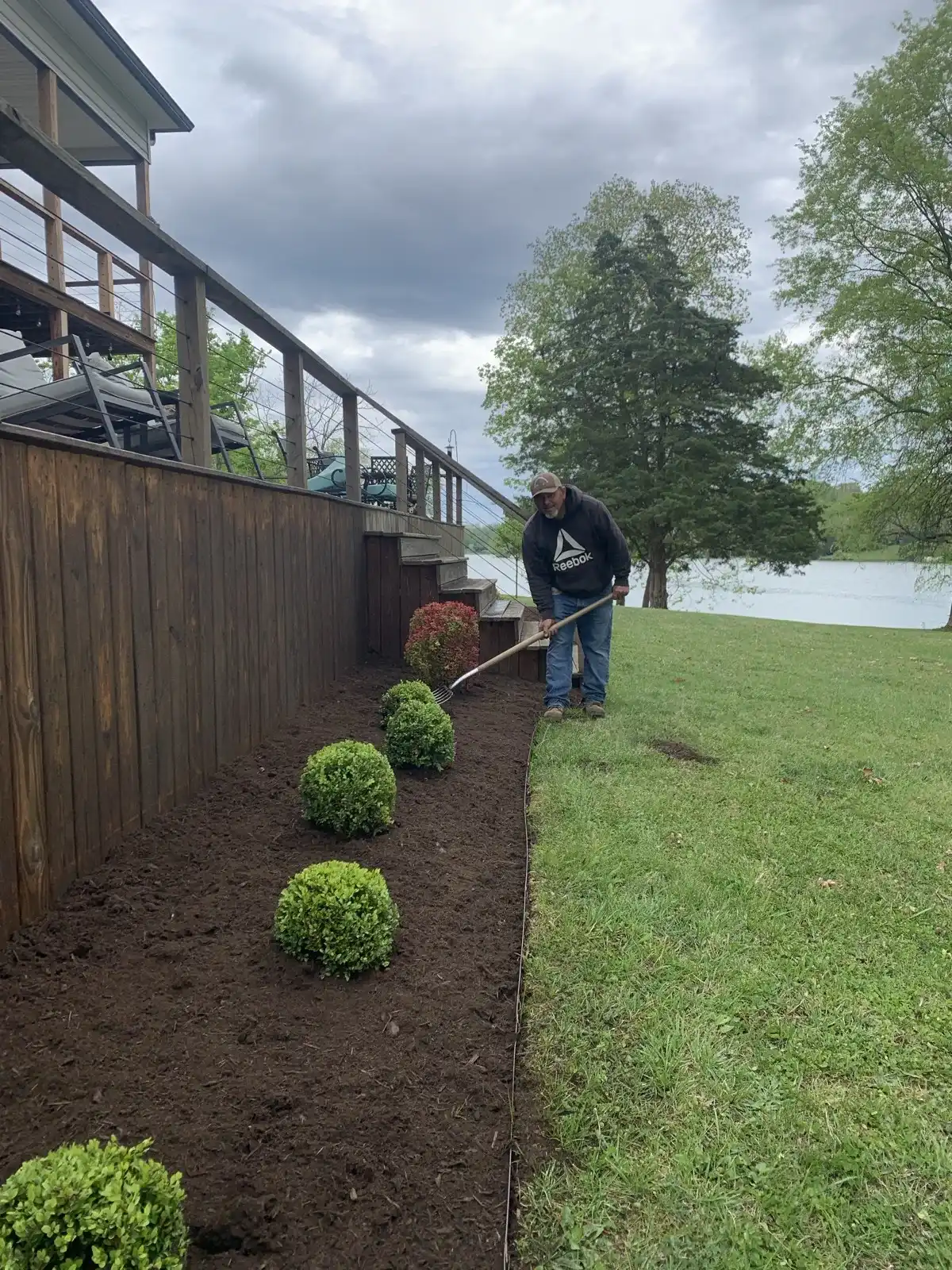
Carlisle Full Landscape Renovation
Best current tree-adjacent proof for planting and spacing while privacy-screen project proof is added over time.
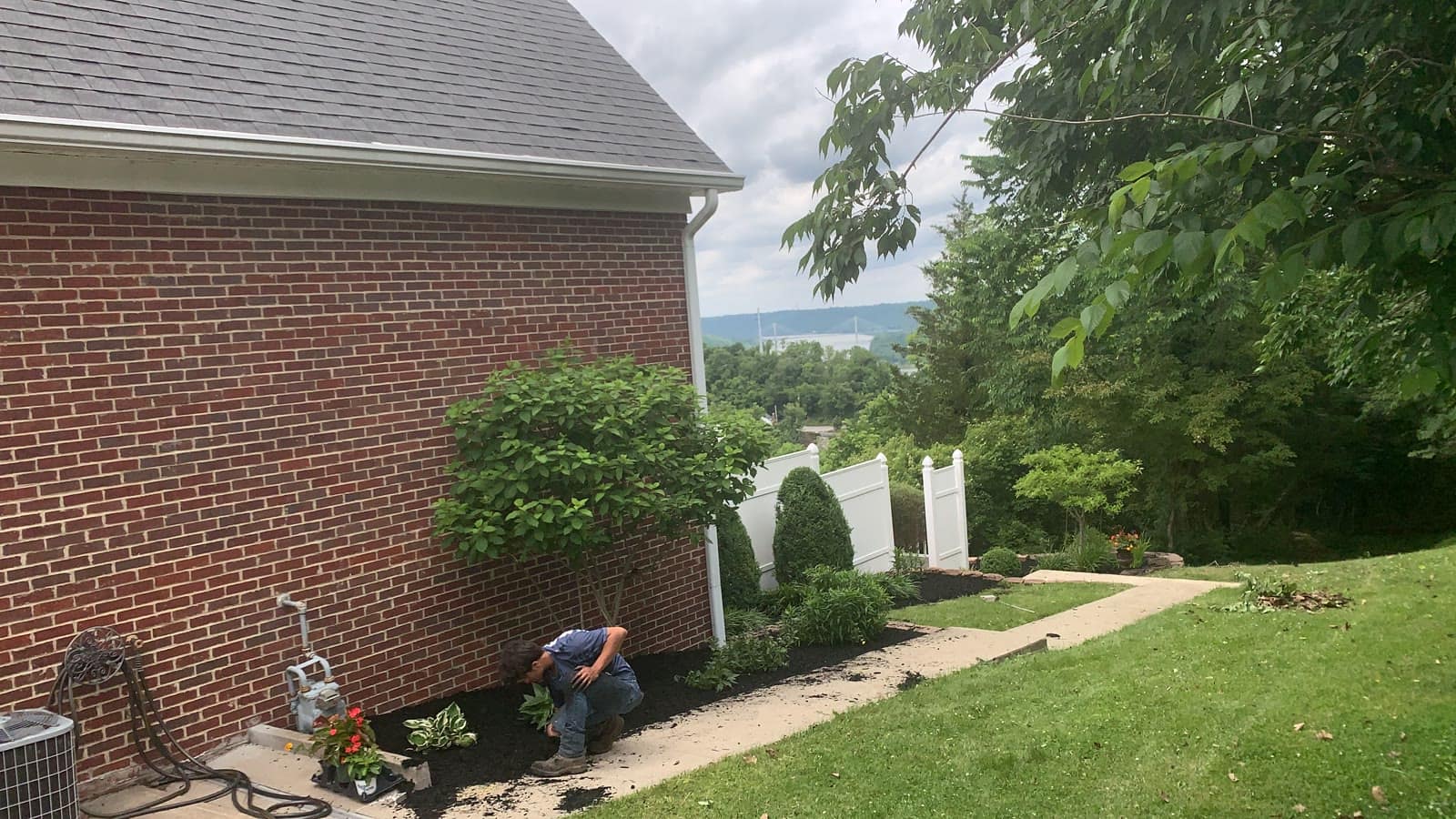
Maysville Mulch & Planting Refresh
Support proof for plant layout, spacing, and a cleaner foundation-bed result.
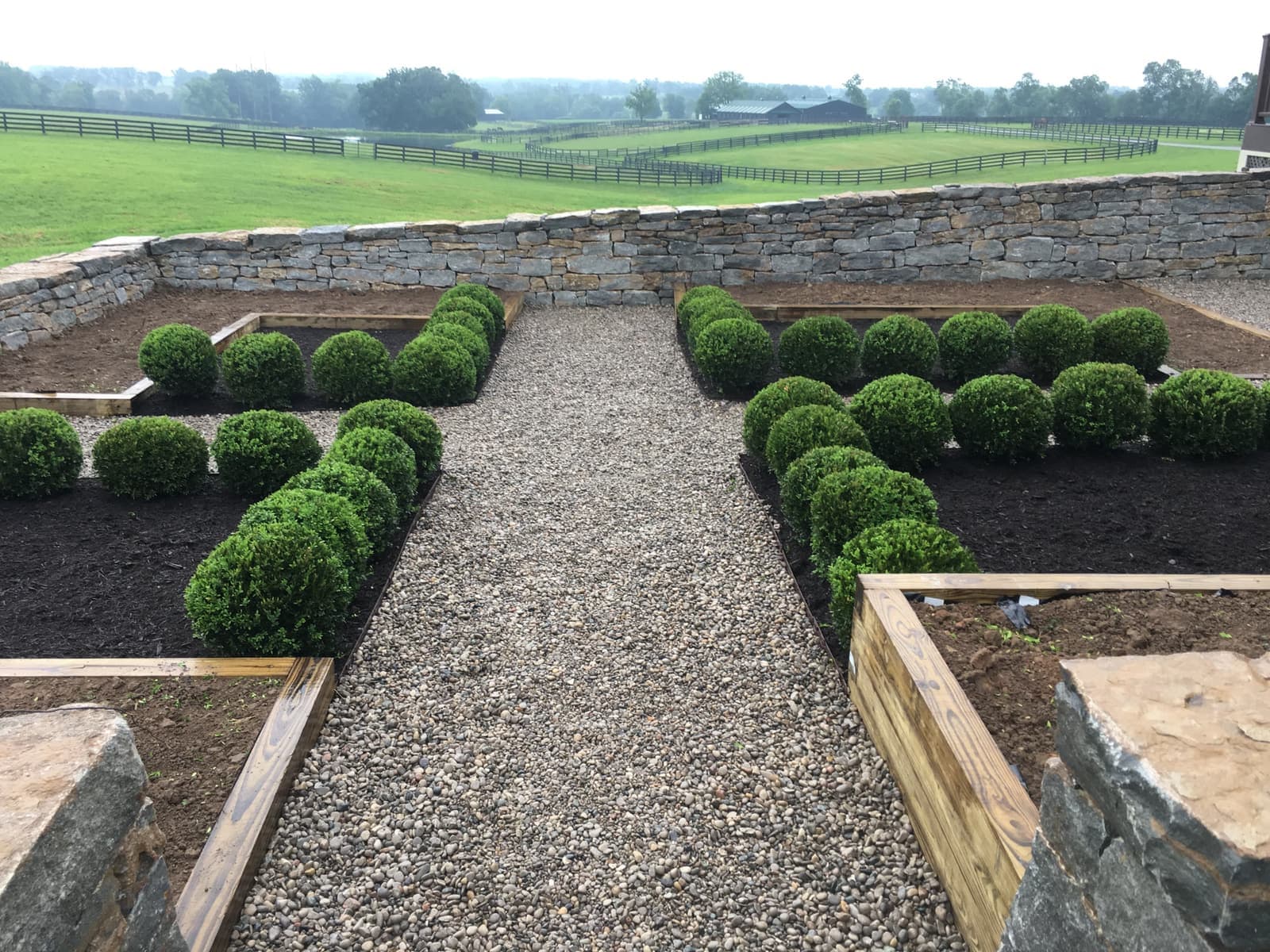
Residential Bed Renovation
Contextual-only support proof showing broader bed structure when privacy needs connect to a larger refresh.
Move From Research Into the Right Planting Path
Use the live pages below once the shortlist is clearer. The guide should help with decision support, then hand off to the correct planting or planning owner.
Privacy Planting FAQs
These questions stay on shortlist planning, spacing, and fit before the project moves into privacy tree installation.
Privacy-tree research
The guide is here to help with shortlist logic and tradeoffs before the property moves into privacy tree installation.
What privacy trees grow well in Lexington?
This first guide wave stays conservative and practical, with arborvitae, emerald green arborvitae, and holly as the core shortlist because they connect cleanly to screening use cases without overextending the site's proof.
Which options give privacy the fastest?
The page should explain that faster growth is only one factor. Long-term fit, spacing, maintenance burden, and how the planting will mature on the property matter just as much.
Is emerald green arborvitae a good privacy-tree option?
It can be a strong option when the site needs a narrower evergreen screen and a tidier formal look, but it still has to be matched to spacing, site conditions, and mature-size expectations. Important note: arborvitae is one of the most deer-vulnerable evergreens. If your property has significant deer pressure, discuss mitigation options with the installer before committing to a row. See the deer-resistant plants guide for more detail at /guides/deer-resistant-shrubs-plants-lexington-ky.
How far apart should privacy trees be planted?
We typically install 8–10 ft trees at ~5 ft on-center: immediate screening that still grows in. Most popular: Green Giant and Emerald Green arborvitae.
Is there a warranty on privacy trees?
Privacy tree installs can qualify for a 1-year plant warranty. Warranty applies with proper watering - twice daily, morning and evening. Watering outside peak sun prevents scorch.
Is fall or spring better for planting?
Both can work, but the better timing depends on plant type, site conditions, and how ready the property is for the install scope. For a detailed breakdown of Lexington seasonal windows, see the tree planting timing guide at /guides/best-time-to-plant-trees-lexington-ky.
When is a shrub screen better than a tree row?
When the site, spacing, or finished-look goal points to a layered planting or shrub-led screen instead of a narrow tree row. That is often where design consultation becomes more useful.
Still have questions? We're happy to walk through your project.
Ready to choose and install privacy plantings that actually fit the property?
Request an estimate if you want help choosing, spacing, and installing privacy trees that fit your Lexington property.