Quick answer
Kentucky pruning timing depends on plant type. Spring-blooming shrubs should be pruned right after flowering. Summer bloomers can be pruned in late winter or early spring. Evergreens are usually shaped after the first growth flush. Most shade trees are safest in the dormant season.
Choose the pruning window before choosing the cut
The first pruning decision is seasonal timing. Technique matters, but the wrong window can remove blooms or create weak recovery.
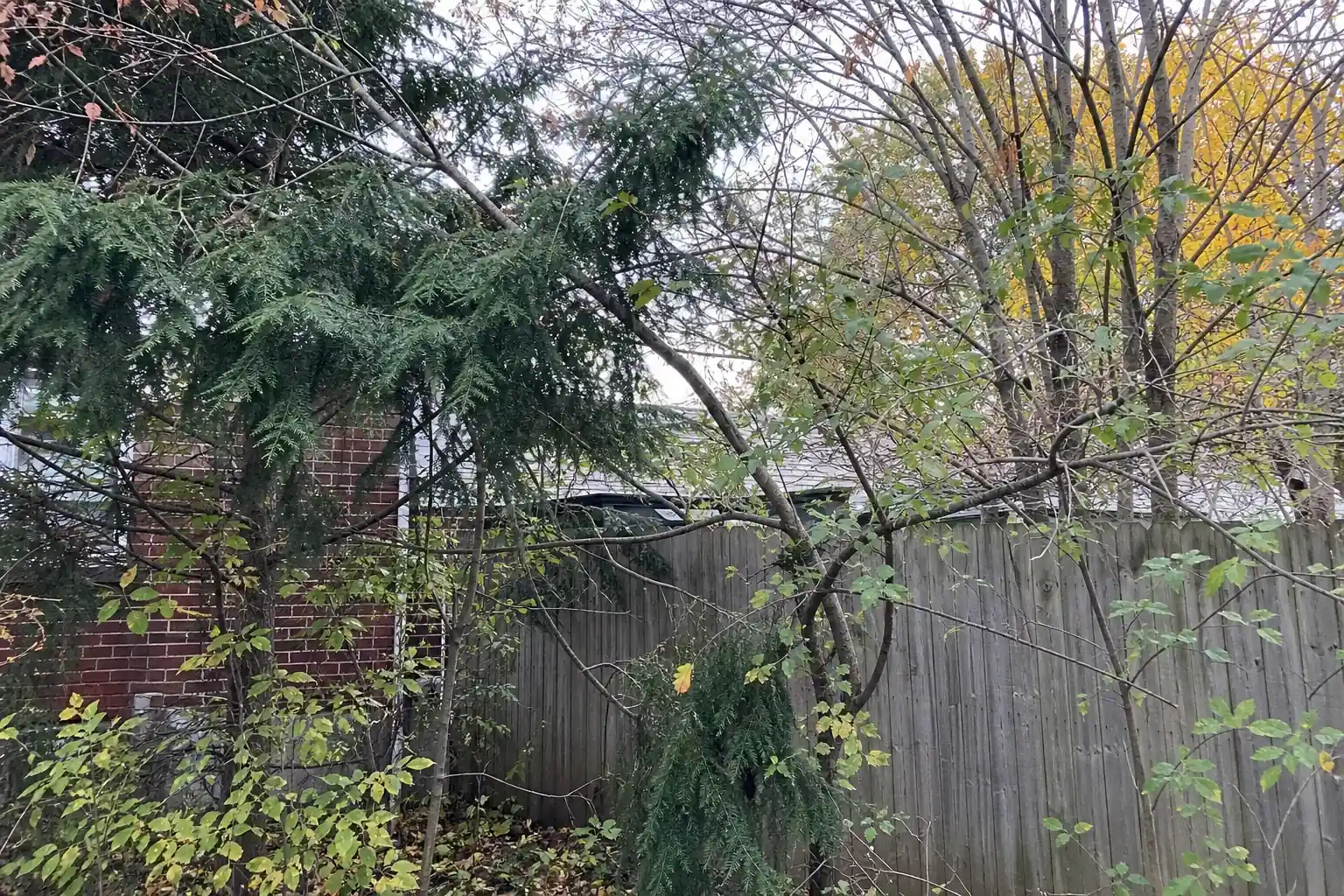
Identify the plant type
Separate spring bloomers, summer bloomers, evergreens, and shade trees before choosing the season.
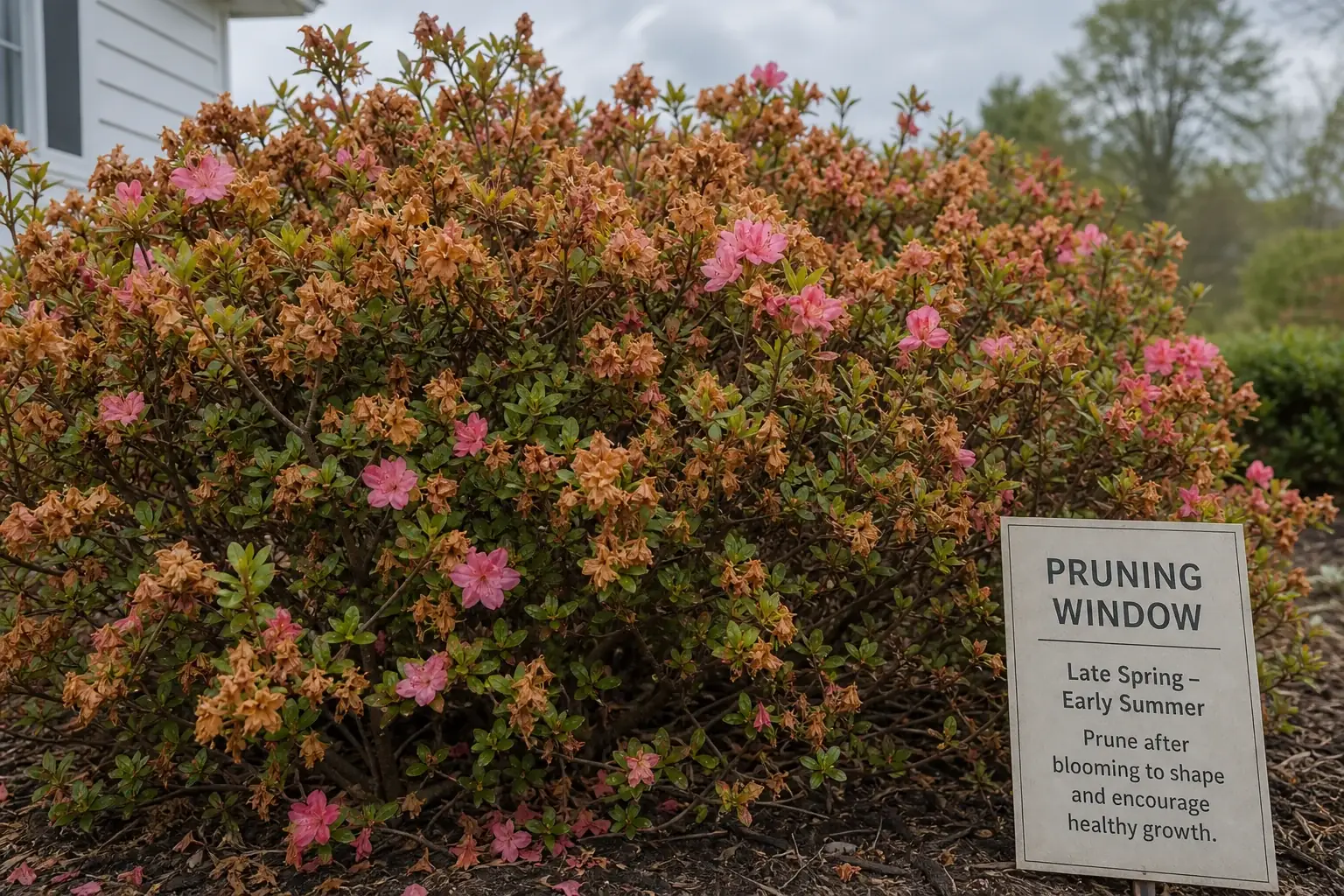
Match the correct window
Prune spring bloomers after flower, summer bloomers before growth starts, evergreens after first flush, and most shade trees while dormant.
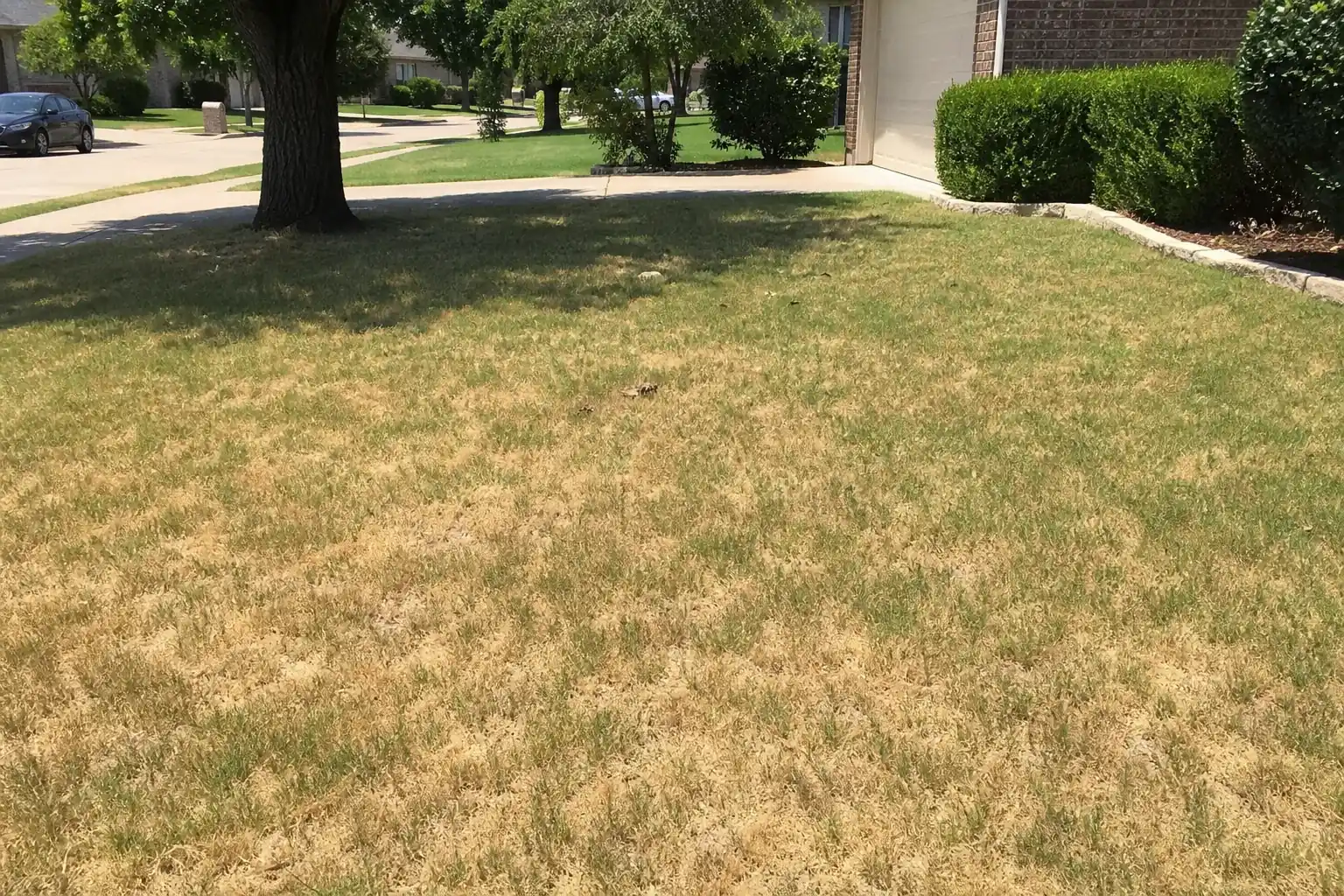
Avoid stress periods
Skip hard pruning during summer heat, drought stress, and late fall when new growth may not harden before freezing weather.
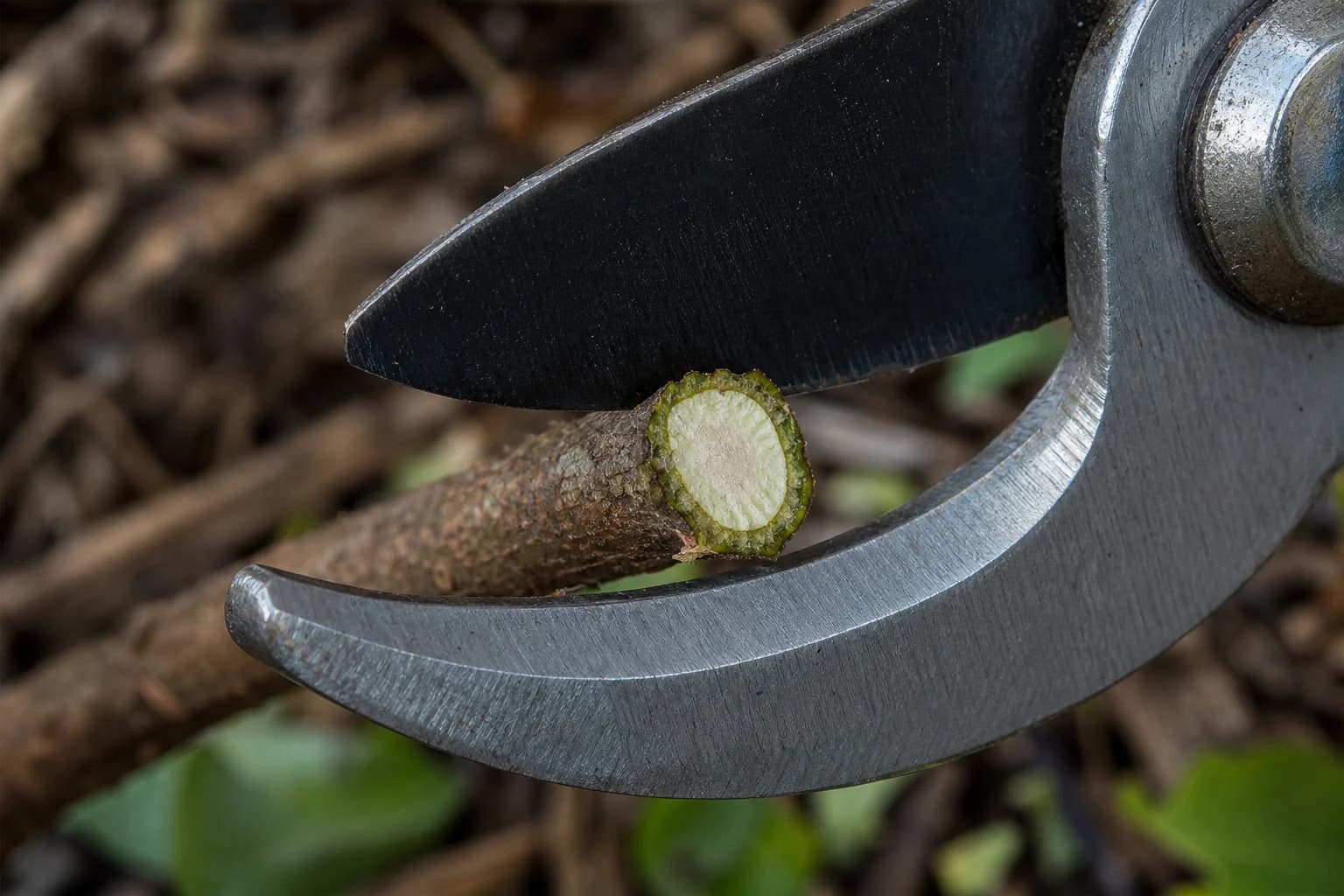
Use selective cuts
Remove dead, crossing, or poorly placed growth without forcing every plant into the same shape.
Pruning timing mistakes that cost flowers or structure
Pruning spring-blooming shrubs in late winter before they flower.
Hard-cutting crape myrtles instead of using selective structural cuts.
Shaping evergreens too late in the season and pushing tender growth before frost.
Pruning oaks in spring when dormant-season work would reduce disease pressure.
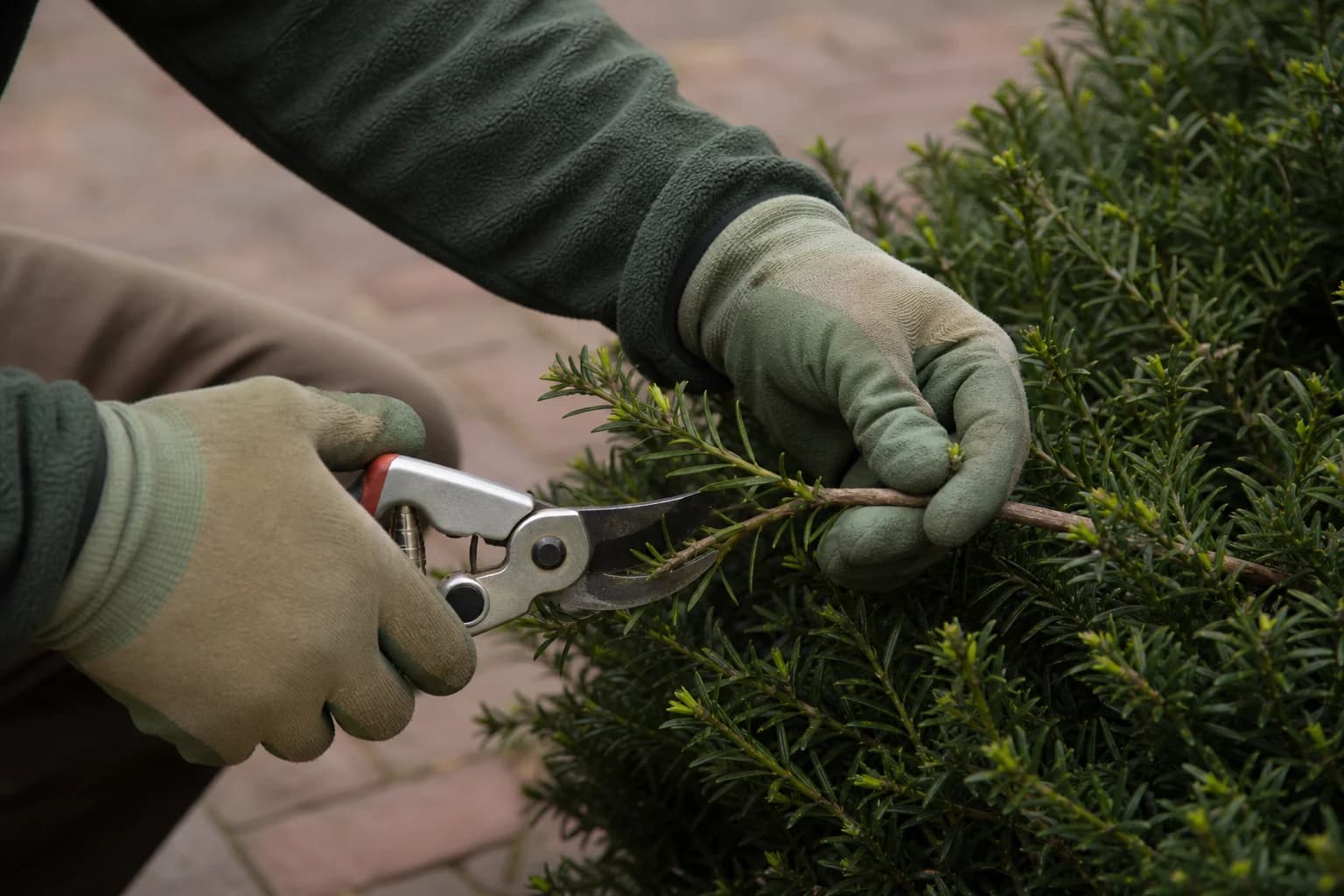
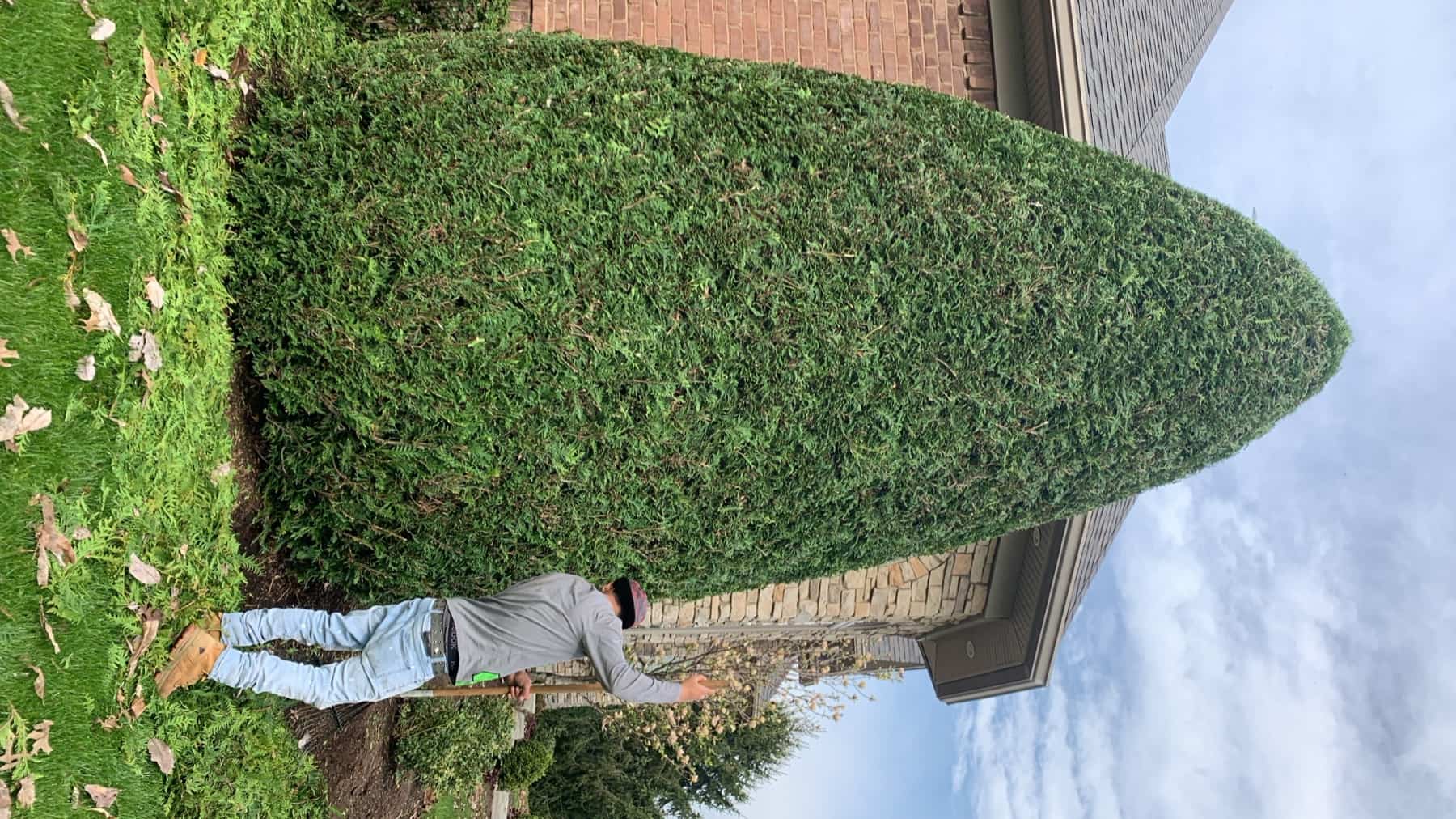
What proper shaping looks like on an established evergreen
This shows the result of correct pruning technique on a mature cone-shaped evergreen. The uniformity comes from timing, the right cut angle, and working with the plant's natural growth pattern.
Shaped evergreen
A well-shaped evergreen holds a clean, tight form when pruned at the right time of year. Pruning too late or too aggressively produces uneven regrowth that takes seasons to correct.
Why pruning timing matters more than most homeowners realize
Timing affects bloom, recovery, disease risk, and growth pattern - the full picture, not only how the plant looks. A spring-blooming shrub pruned in late winter loses the flower buds that were already set on old wood. An oak pruned in spring can be exposed to disease pressure that would have been avoidable with dormant-season timing.
The right window is not arbitrary. It reflects how each plant type grows, sets buds, and responds to cuts at different points in the season. Getting timing wrong rarely kills an established plant, but it can cancel a full year of flowers or push weak growth before a killing frost.
When to prune shrubs that bloom in spring
Spring-blooming shrubs bloom on old wood - meaning the buds for this year's flowers were set on last year's growth. Pruning them before they bloom removes those buds. The rule is simple: prune spring bloomers immediately after they finish flowering, not before.
In Lexington foundation beds, lilac, forsythia, and azalea are among the most common spring bloomers. Rhododendron and viburnum follow the same pattern. A late-winter or early-spring cut on any of these plants will produce a clean look but no flowers for the season.
Lilac: prune right after bloom, before new growth hardens
Forsythia: prune after flowers drop, hard cuts are well-tolerated post-bloom
Azalea: prune within a few weeks of bloom, not in fall or late winter
Rhododendron: prune after bloom, deadhead spent flowers to encourage the next cycle
Viburnum: prune after flowering, timing varies slightly by species
When to prune shrubs that bloom on new wood
Summer-blooming shrubs bloom on new wood grown in the current season. That means they can and should be pruned in late winter or early spring before growth starts. Cutting them back at that point removes no flower buds - the buds have not formed yet.
Butterfly bush, crape myrtle, Rose of Sharon, and panicle hydrangeas are the most common examples in Lexington yards. For crape myrtle specifically, a common mistake called crape murder involves severely topping the trunks. This produces weak, fast-growing regrowth, ruins the tree's natural branching form, and has to be repeated indefinitely. The correct approach is selective pruning of crossing branches, dead wood, and any growth below the main canopy - not a flat-topped chop.
Butterfly bush: cut back hard in late winter or early spring
Crape myrtle: selective light pruning in late winter, never severe trunk topping
Rose of Sharon: prune in late winter to early spring for best bloom
Panicle hydrangea (Limelight, Pinky Winky): late winter or early spring, bloom on new wood
When to prune evergreen shrubs and hedges
Boxwood, holly, arborvitae, and juniper are the most common evergreen shrubs in Lexington beds. Light maintenance shaping works best in late spring to early summer, after the first flush of new growth has hardened slightly. A second light pass can happen in midsummer if needed, but late-season cuts can stimulate tender growth that does not harden before frost.
Hard renovation cuts - taking an overgrown boxwood or holly back significantly - have different timing rules. Heavy cuts are generally better in early spring so the plant has the full growing season to recover. Regular hedge shaping is exactly what the shrub pruning service is designed for.
Boxwood: late spring to early summer for shaping, early spring for hard renovation
Holly: late spring shaping works well, avoid late fall cuts
Arborvitae: light shaping in late spring, avoid cutting into old wood with no green growth
Juniper: late spring shaping, minimal cuts work better than hard cutbacks
When to prune ornamental and shade trees
Dormant-season pruning works well for most shade and ornamental trees. The branch structure is easier to see without foliage, and the tree heals before the growing season begins. Late fall through late winter is the standard window for structural cuts on oaks, maples, and most other shade trees.
The most important local note for Central Kentucky homeowners: avoid pruning oaks in spring. Oak wilt disease is spread by beetles that are active when fresh wounds are present during the spring flush. Dormant-season pruning significantly reduces that risk. Summer thinning is occasionally used for specific species but is not the standard approach for most residential trees.
The worst times to prune and the most common timing mistakes
Late summer cuts on most shrubs can stimulate tender new growth that does not harden before frost arrives. Heavy pruning during active drought or heat stress pushes additional demand onto a plant already under pressure. Removing more than 25 to 30 percent of a plant at once in a single session slows recovery and can weaken the overall structure.
Timing mistakes are usually fixable. Missing a year of bloom is frustrating but not permanent. Pruning a spring bloomer at the wrong time once does not require replacement - it just means waiting a full season for flowers to return. Frame timing as a decision worth getting right, not as a reason to avoid pruning altogether.
Avoid late summer cuts that push new growth before frost
Avoid heavy pruning during heat or drought stress
Avoid removing more than 25–30 percent of plant volume in a single session
Avoid spring pruning on oaks to reduce oak wilt disease risk
Avoid cutting spring bloomers before they flower - prune after bloom