
Tree Planting Cost in Lexington, KY
A research-first guide to what drives tree planting cost in Lexington. Explains why caliper size, species, access, support work, and project volume change the estimate without publishing invented price ranges.
QUICK ANSWER
Tree planting cost changes with tree size, access, support work, and project volume.
There is no useful one-size price for tree planting because the real workload changes by property. A larger caliper tree, tight backyard access, staking, soil work, and multi-tree screening all change the estimate. The useful question is what the project requires, not what an average online range says.
- Tree size affects material, equipment, labor, and aftercare.
- Access can change the install approach even when the tree species is the same.
- Multi-tree privacy rows should be scoped differently from single specimen installs.
Use This Guide to Understand Cost Shape Before Requesting a Tree Planting Estimate
Tree planting cost is not one number. The same species at a different caliper, in a different location, with different access constraints, can land in a very different pricing conversation. This guide explains what changes the estimate without inventing public price bands.
Best for
Budget research before requesting a tree planting estimate
Primary handoff
Tree planting service, with privacy tree installation when the scope is a multi-tree screening row
Guardrail
No invented price bands and no published quote ranges — explains what changes cost, not what the cost is
ESTIMATE ORDER
What has to be confirmed before pricing makes sense
A reliable estimate starts with the scope drivers that change the work. These are the checks that make the pricing conversation useful.
Step 1
Confirm tree size and stock type
Caliper, container stock, and balled-and-burlapped trees all change handling, sourcing, and installation needs.
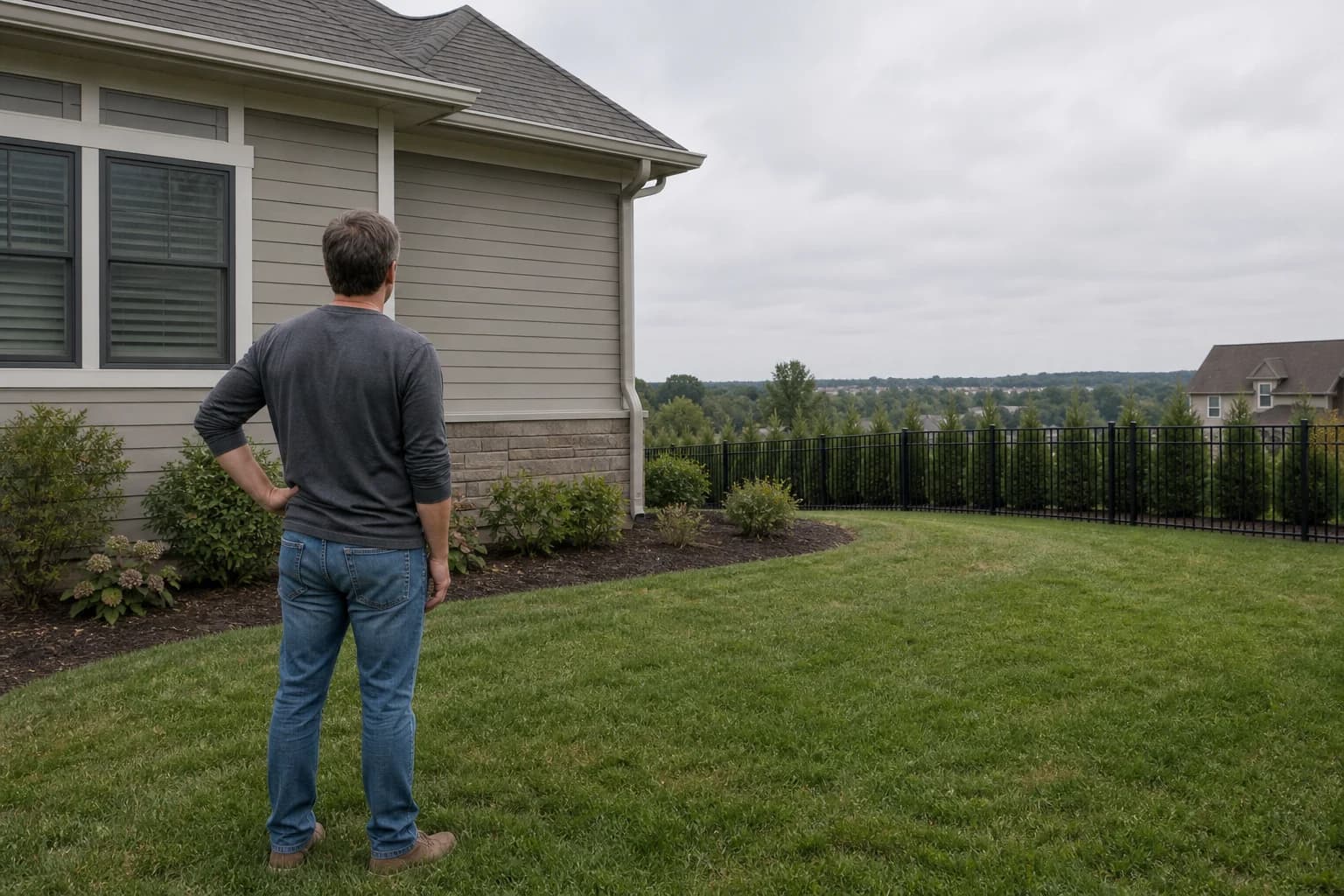
Step 2
Check the planting location
Access, slopes, fences, utilities, and distance from truck access change the labor and equipment plan.
Step 3
Identify support work
Soil prep, staking, mulch rings, and root-ball handling can all affect the final scope.
Step 4
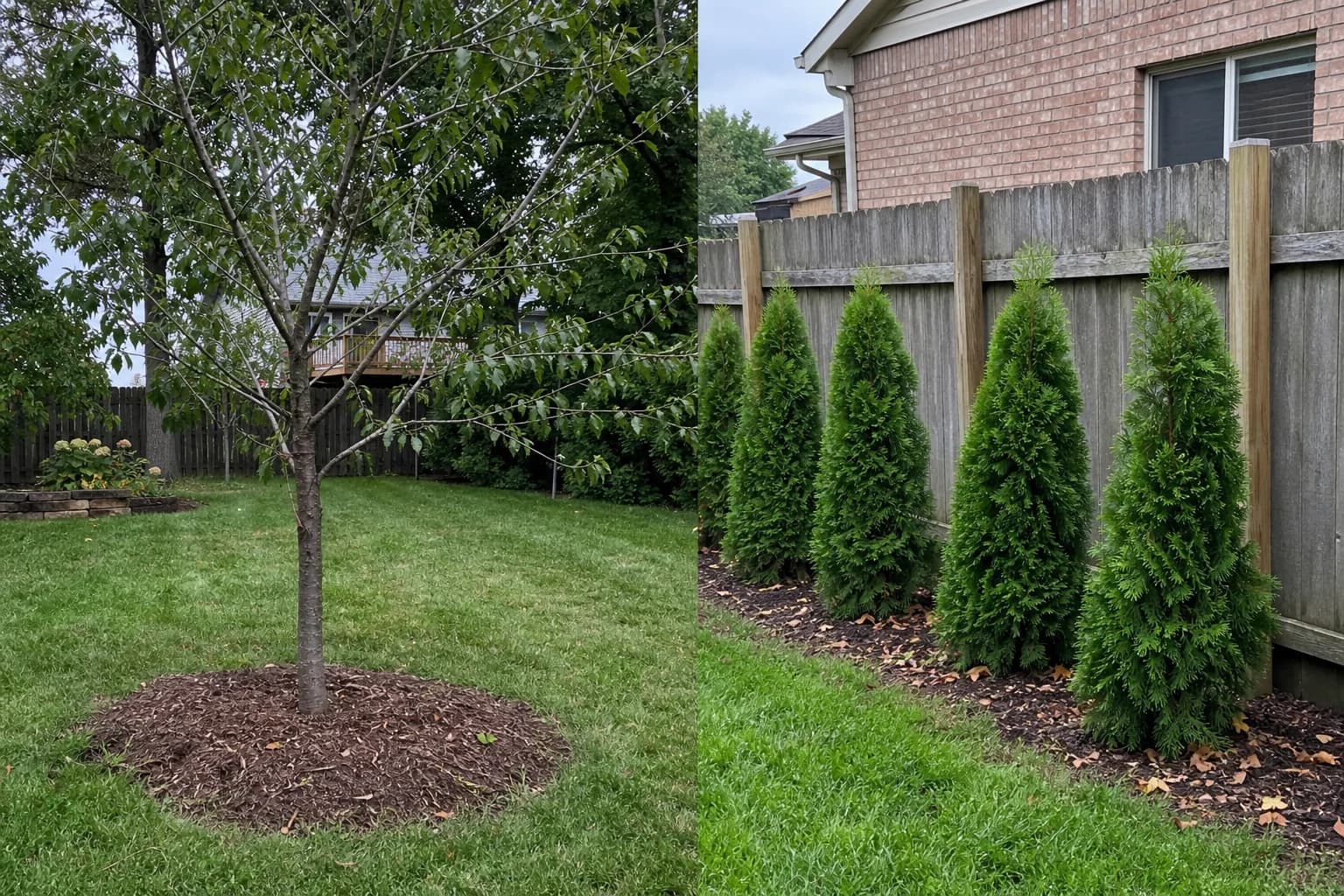
Separate single-tree and row projects
A specimen tree and a privacy row have different setup, spacing, and crew-time requirements.
COMMON MISTAKES
Cost-research mistakes that create bad expectations
Public price ranges usually ignore the details that change the work. A better estimate starts with the project conditions.
- Comparing prices without matching tree size and stock type.
- Ignoring access constraints until installation day.
- Assuming a multi-tree screen prices like several identical single-tree installs.
- Choosing the largest tree available when a smaller tree may establish better.
Why tree size and species change what the installation actually involves
These examples show the real difference between sourcing, moving, and planting a large tree versus a smaller one. The cost follows the work — and the work follows the tree.
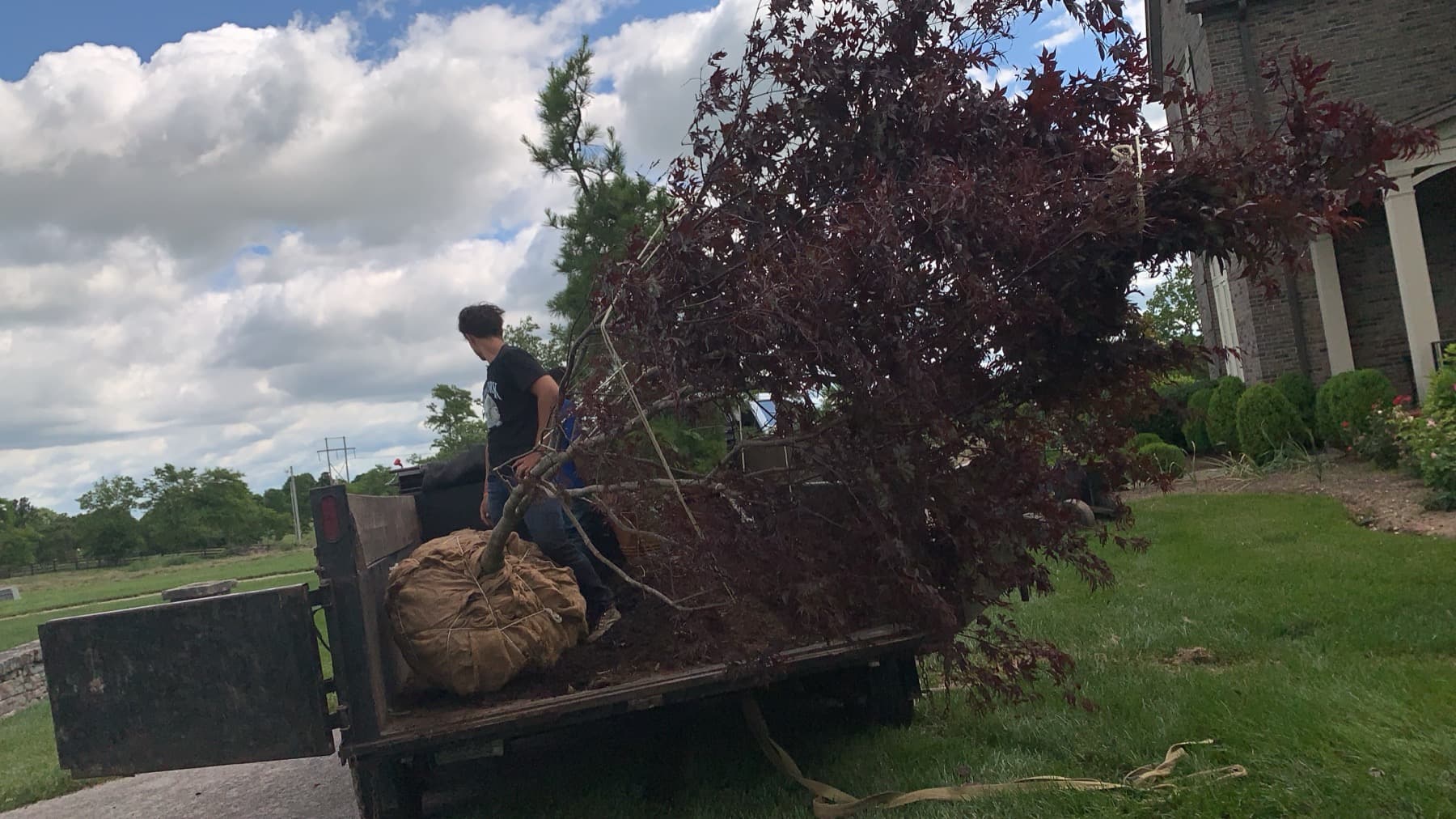
Delivery
A large balled-and-burlapped Japanese maple requires a flatbed delivery and crew to off-load safely. Sourcing, transport, and tree size all contribute to cost before the hole is even dug.
Installation
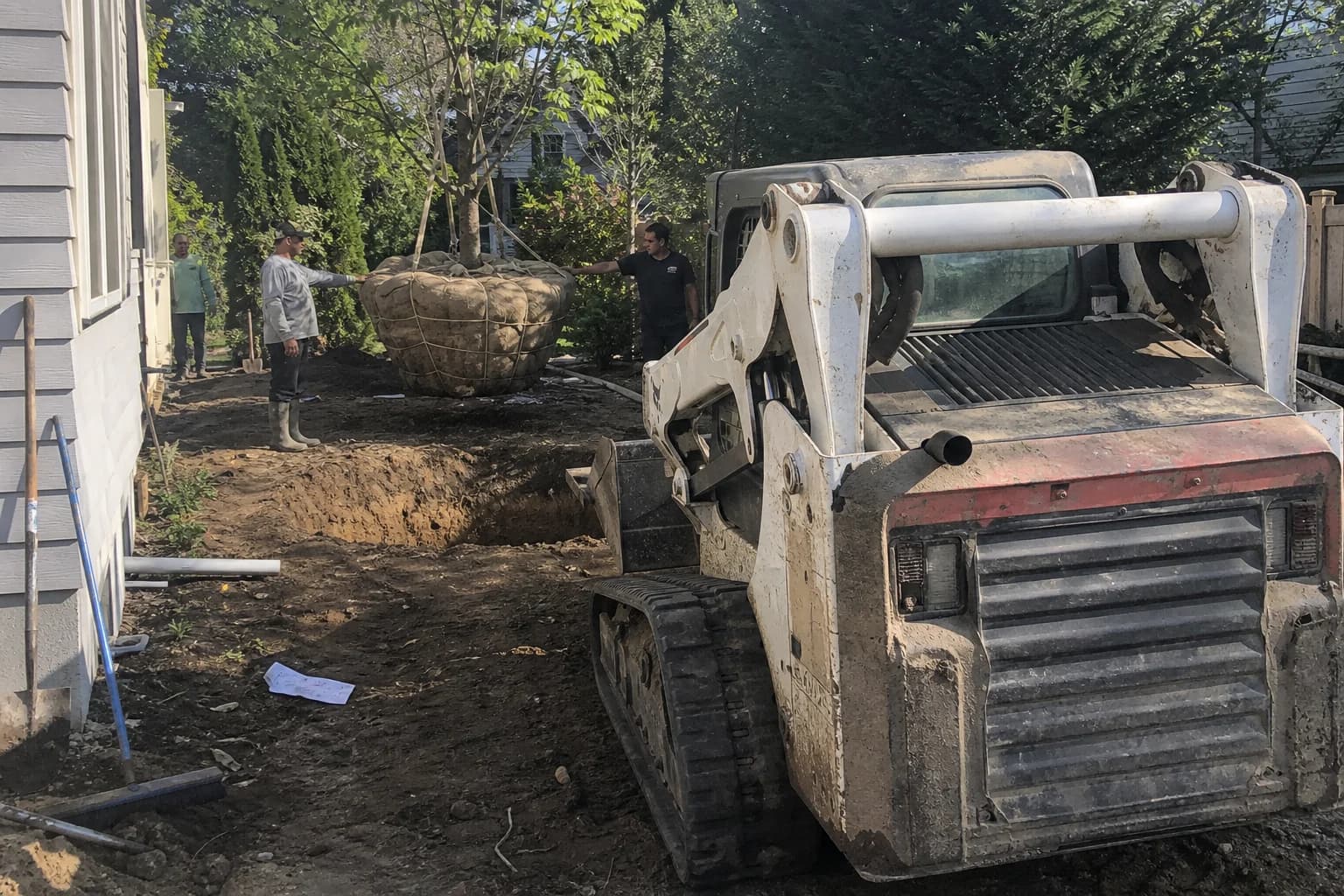
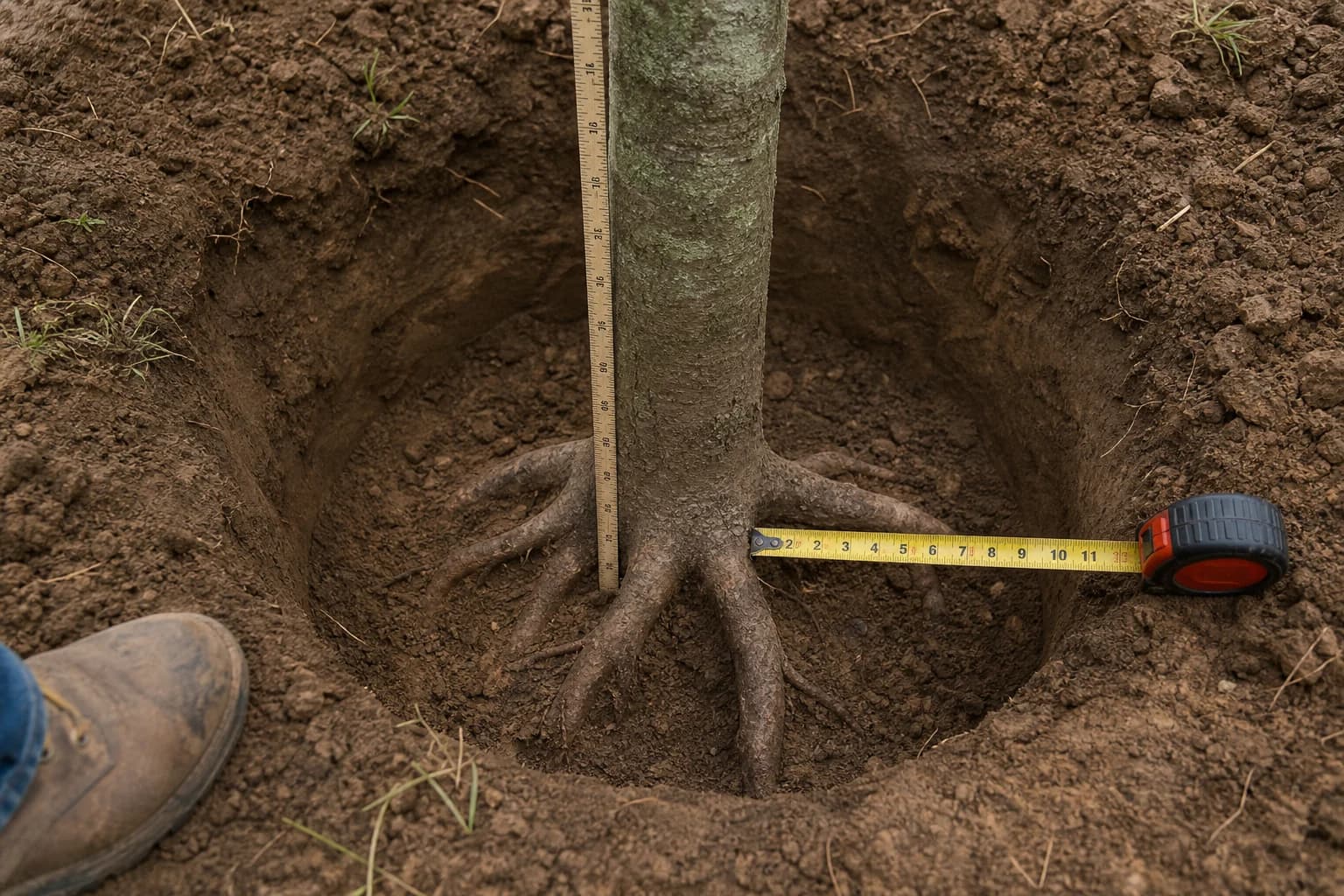
Proper planting depth, root ball placement, and backfill technique all affect long-term establishment. Larger trees require more excavation, more labor, and more precision at this stage.
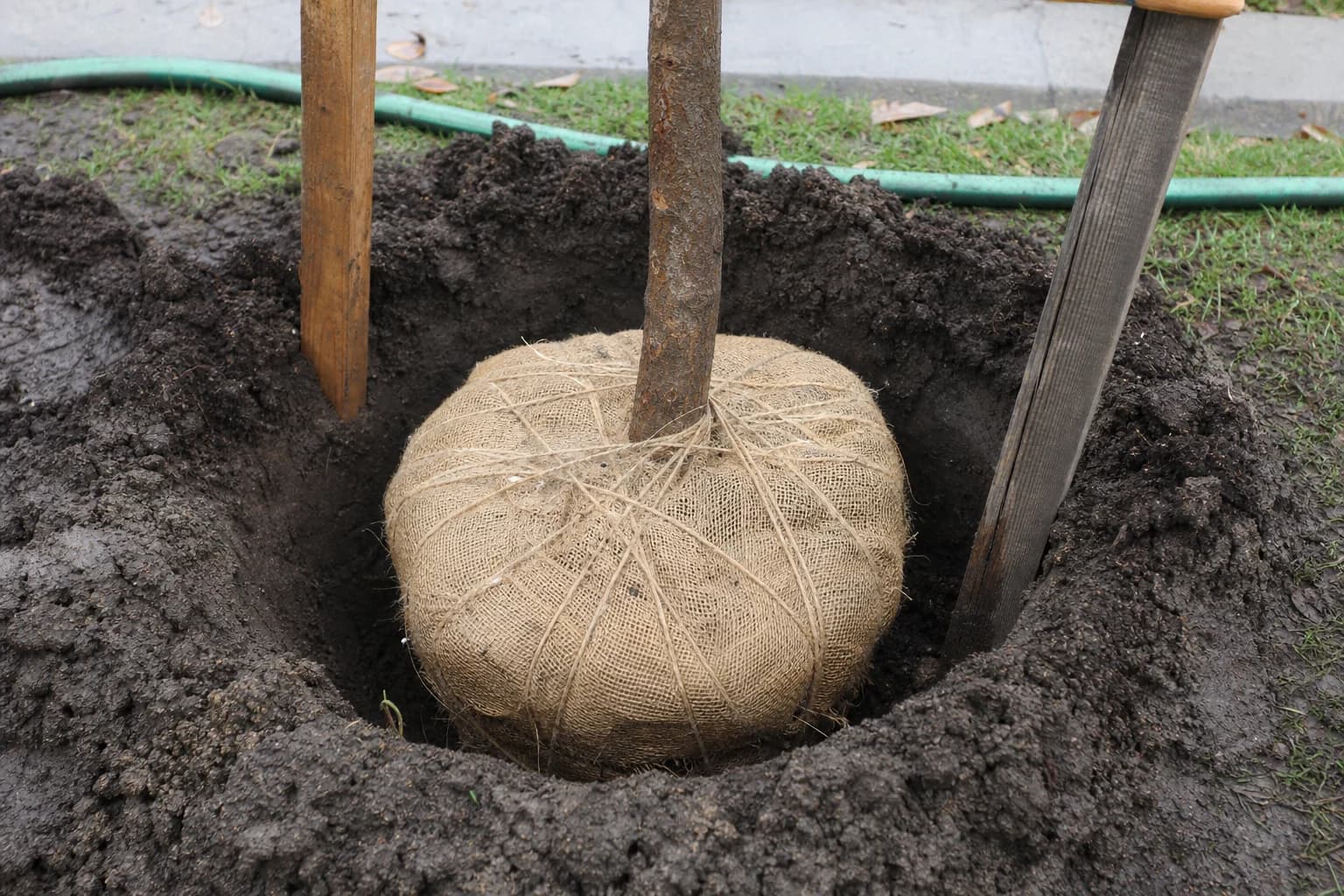
Finished
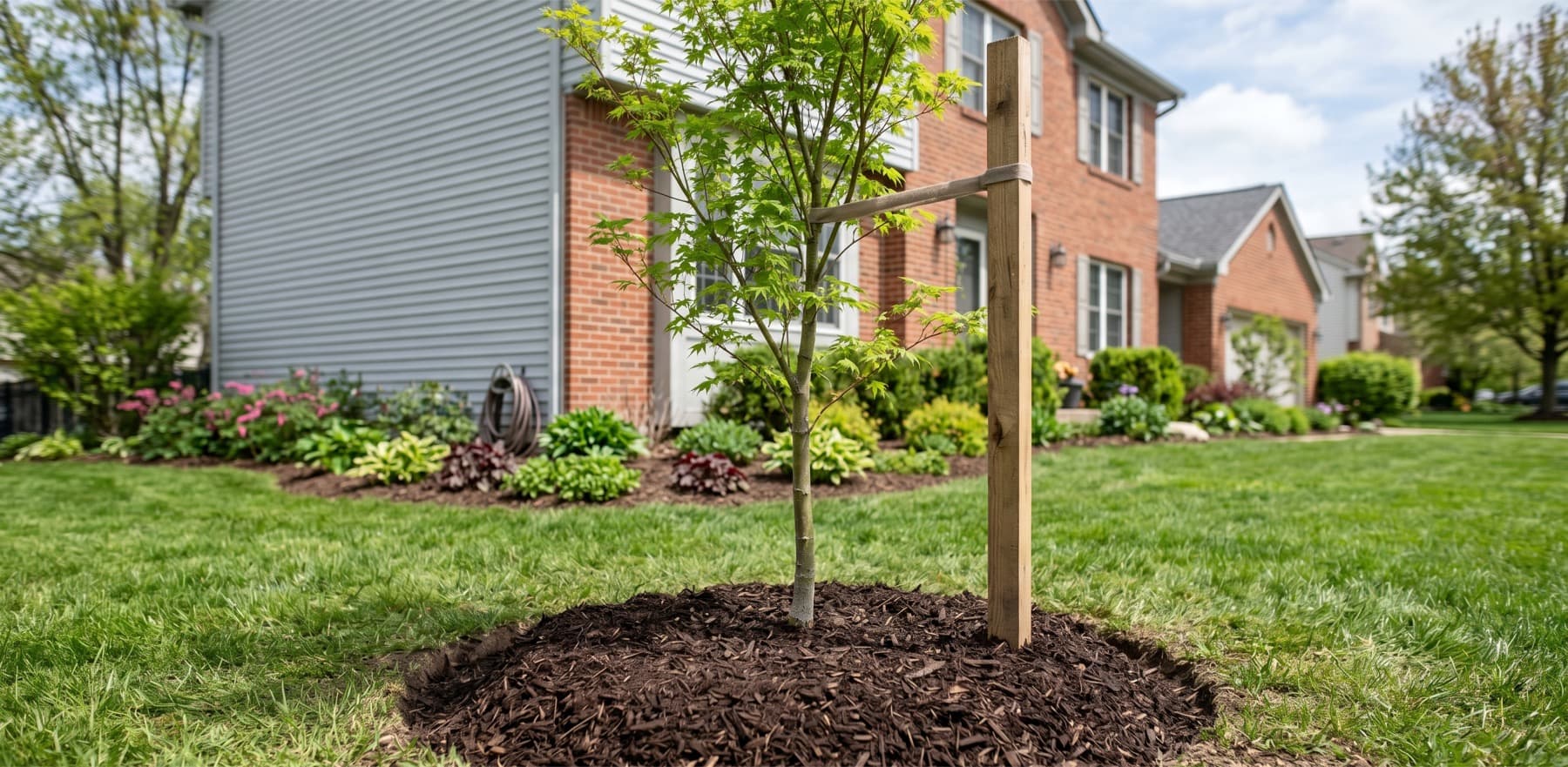
A properly installed tree with staking and a mulch ring is set up to establish well. The aftercare investment at planting is what allows the tree to reach its potential on your property.
CONTEXT
What this guide can and cannot tell you about tree planting cost
There is no public price sheet for tree planting in Lexington. The reason is straightforward: the scope changes too much from one property to the next to make a published range meaningful. A number pulled from a national average or a competitor's marketing page will not reflect what the actual project on your property involves.
What this guide can do is explain what makes a tree planting project cheaper or more expensive. Scope in Lexington varies by neighborhood — a Chevy Chase lot with mature trees and tight access presents different constraints than a Hamburg subdivision with open front-yard access. Understanding the cost drivers is more useful than a range that may not apply to your situation.
SIZE
Why tree size is the biggest single cost driver
Tree size affects cost at every stage: material cost, equipment needed for the install, labor time, and aftercare requirements. A 2-inch caliper and a 4-inch caliper tree are not two versions of the same project — they have different planting requirements, different equipment needs, and different establishment expectations.
Container-grown trees are typically easier to handle than balled-and-burlapped stock at the same size. Larger balled-and-burlapped trees require more equipment and more crew time to move, dig, and set correctly. The material cost for larger specimens can also include sourcing lead time if a specific size or species needs to be ordered.
Bigger is not always better. A smaller, healthier tree planted correctly will often establish faster and perform better long-term than a large specimen installed under stress. Size selection should serve the site goal — not the desire for immediate visual impact alone.
SPECIES
How species choice changes the cost conversation
Common native species like Red Maple, Bur Oak, and Redbud are typically more available and easier to source than specialty cultivars or less-common ornamentals. Availability affects both material cost and lead time.
Some species are slower-growing and need to be sourced at a larger size to hit a visual target, which increases material cost. Others are widely available at standard sizes and can be installed without lead time.
The species decision belongs in the tree selection conversation — this guide is focused on how species affects price. For a breakdown of which trees fit Central Kentucky and why, the tree selection guide covers that.
ACCESS
How site access, equipment, and placement change the price
A tree going into an open front yard with direct truck access is a simpler install than the same tree going behind a fence, down a slope, or near utility lines. Access affects what equipment can reach the site, how long setup and cleanup takes, and whether any preparation work is needed before the tree can go in.
Narrow side yards in older Lexington neighborhoods — Chevy Chase, Beaumont, and similar areas — can limit equipment options and increase manual labor requirements. Trees planted near structures, driveways, or utilities need more care with placement and digging.
Most properties are workable. Access constraints rarely make a tree install impossible — they change the approach and sometimes the equipment, which is reflected in the estimate.
SUPPORT
Staking, root prep, soil amendment, and what else affects the final scope
Not every tree install needs the same level of support work. Some sites are straightforward — good soil, open access, and a container tree that needs a clean hole and proper placement. Others call for soil amendment in heavy clay, staking for a windy exposed site, or a mulch ring installation.
Staking stabilizes a newly planted tree while the root system anchors itself, but it should be removed after one growing season. A mulch ring retains moisture and protects the root zone. Soil amendment in Lexington's clay can improve drainage and root penetration for species that need it.
The goal is to add support work where the site calls for it, not to maximize ancillary services on every project. The estimate conversation should make clear what is and is not included.
VOLUME
Single tree vs multi-tree projects and how volume changes the estimate
A single shade tree and a privacy row of eight arborvitae are different projects in scope, equipment, and crew time — even if the individual trees are similar in size. Multi-tree projects often change the per-tree math because setup, access prep, and crew mobilization are spread across more installations.
The relationship is not a simple per-tree discount menu. What matters is how the total scope, site conditions, and access requirements add up. A tight backyard with difficult access for eight trees may cost more per tree than eight trees in a wide-open front yard.
For multi-tree screening projects specifically, the privacy tree installation page covers how that scope is typically approached differently from single-tree installs.
Project Shapes That Explain Why Tree Planting Cost Varies
These proof pages give context for how different tree and planting scopes behave without publishing invented prices.
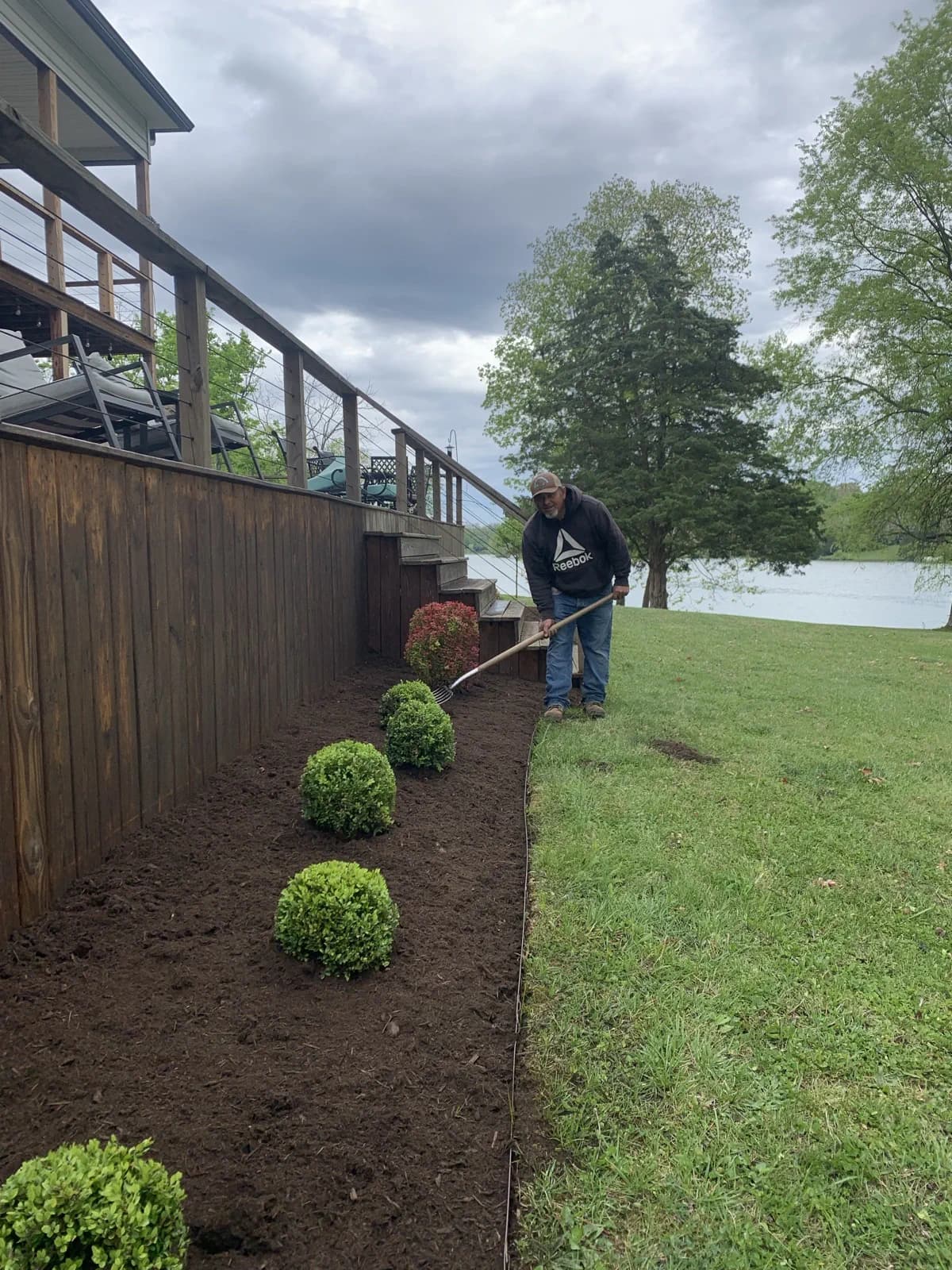
Carlisle Full Landscape Renovation
Best current proof for tree-adjacent installation scope and how planting decisions affect project complexity.
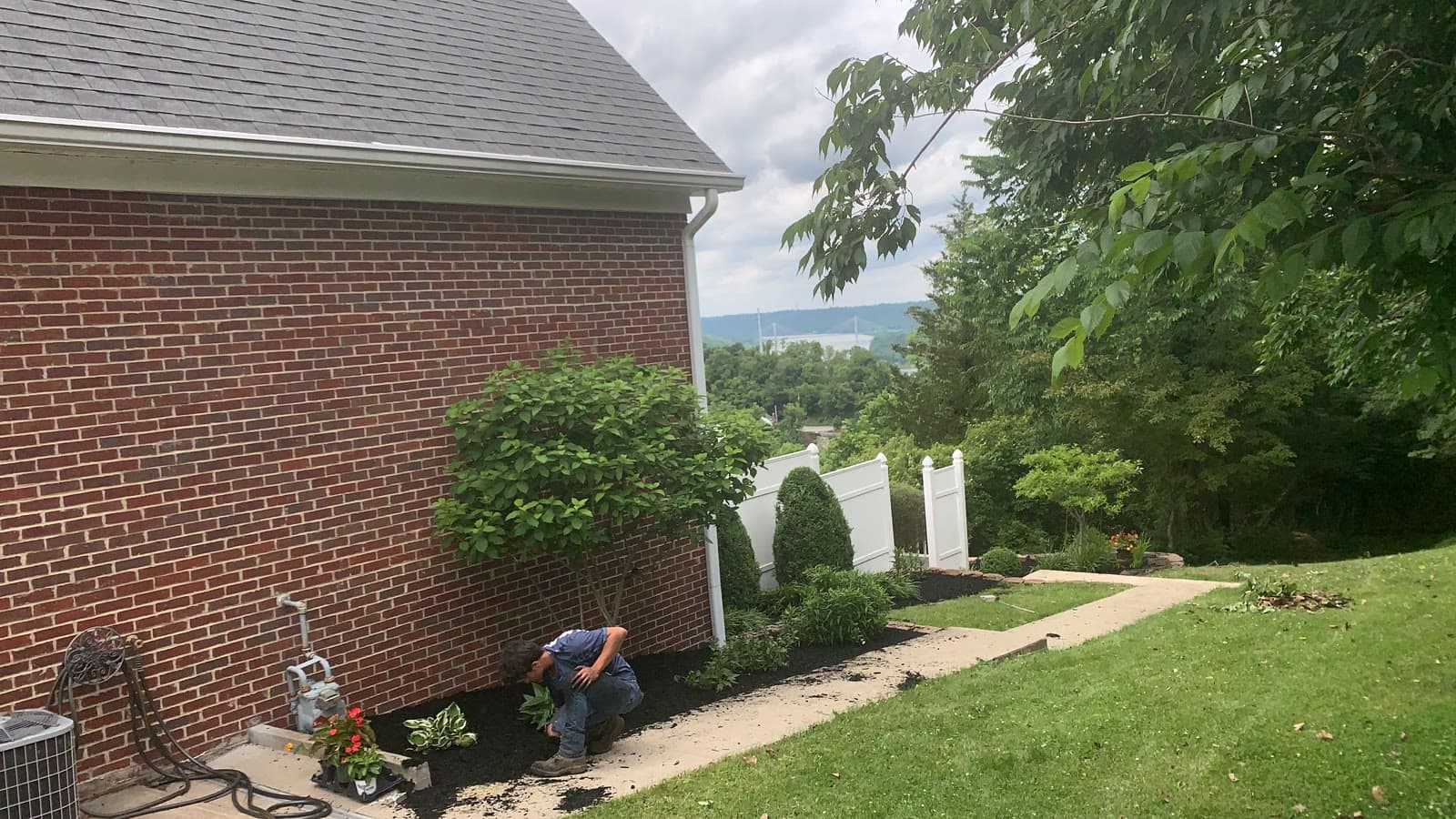
Maysville Mulch & Planting Refresh
Support proof for how plant volume, spacing, and install approach change the scope conversation.
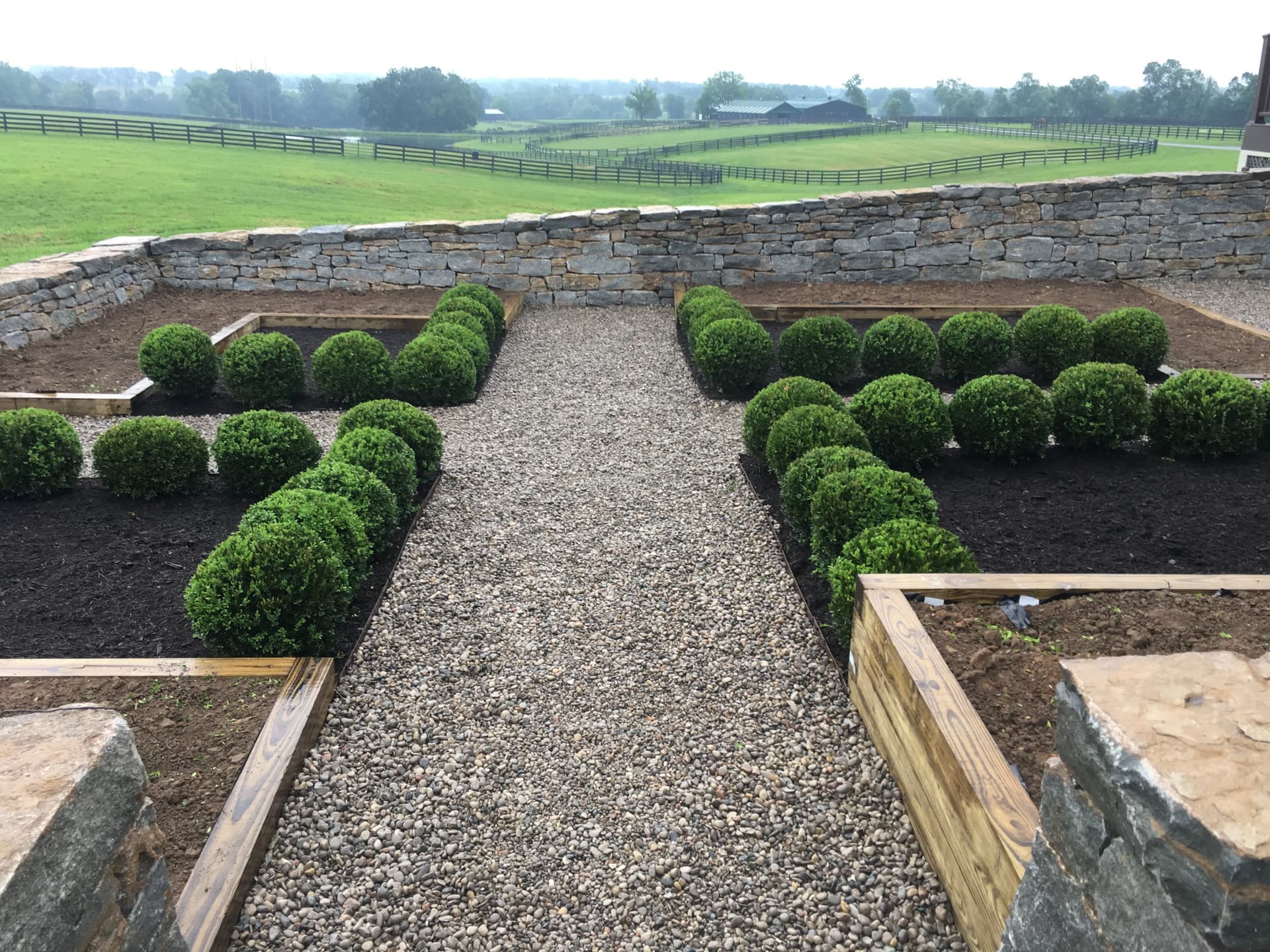
Residential Bed Renovation
Contextual support when tree planting connects to a broader property plan.
Continue With the Right Service Page Once the Cost Shape Is Clear
Use the service and research pages below when the cost question is answered and the project is ready to move forward.
Tree Planting Cost FAQs
These questions stay high-level on cost drivers and estimate logic. No invented price ranges or public quote sheets.
Tree planting cost factors
The goal is to explain what drives the estimate, not to publish a one-size-fits-all rate sheet.
Why do two tree planting projects cost different amounts?
Because tree size, species, site access, soil prep, staking, and the number of trees all change the real scope. Two front-yard tree installs can still be very different workloads.
Does tree size change the cost significantly?
Yes. A larger caliper tree costs more in material, equipment, labor, and aftercare. The jump from a 2-inch to a 4-inch caliper tree is a meaningful scope change, not a simple size variation.
Does backyard access change the price?
It can. A tree in an open front yard with truck access is simpler than one behind a fence, on a slope, or near utility lines. Access affects equipment needs and labor.
Is it more efficient to plant multiple trees at once?
The scope can change when multiple trees are part of the same project, but the real factor is how the total scope, access, and site conditions add up — not a simple per-tree formula.
Do you provide an estimate before starting?
Yes. The estimate starts with a walkthrough to confirm tree size, species, site conditions, and installation scope before any pricing conversation.
Still have questions? We're happy to walk through your project.
Ready to get scope-specific pricing for your tree project?
Request an estimate and we will confirm the right tree size, species, and installation approach for your property instead of forcing the conversation into a generic online range.