
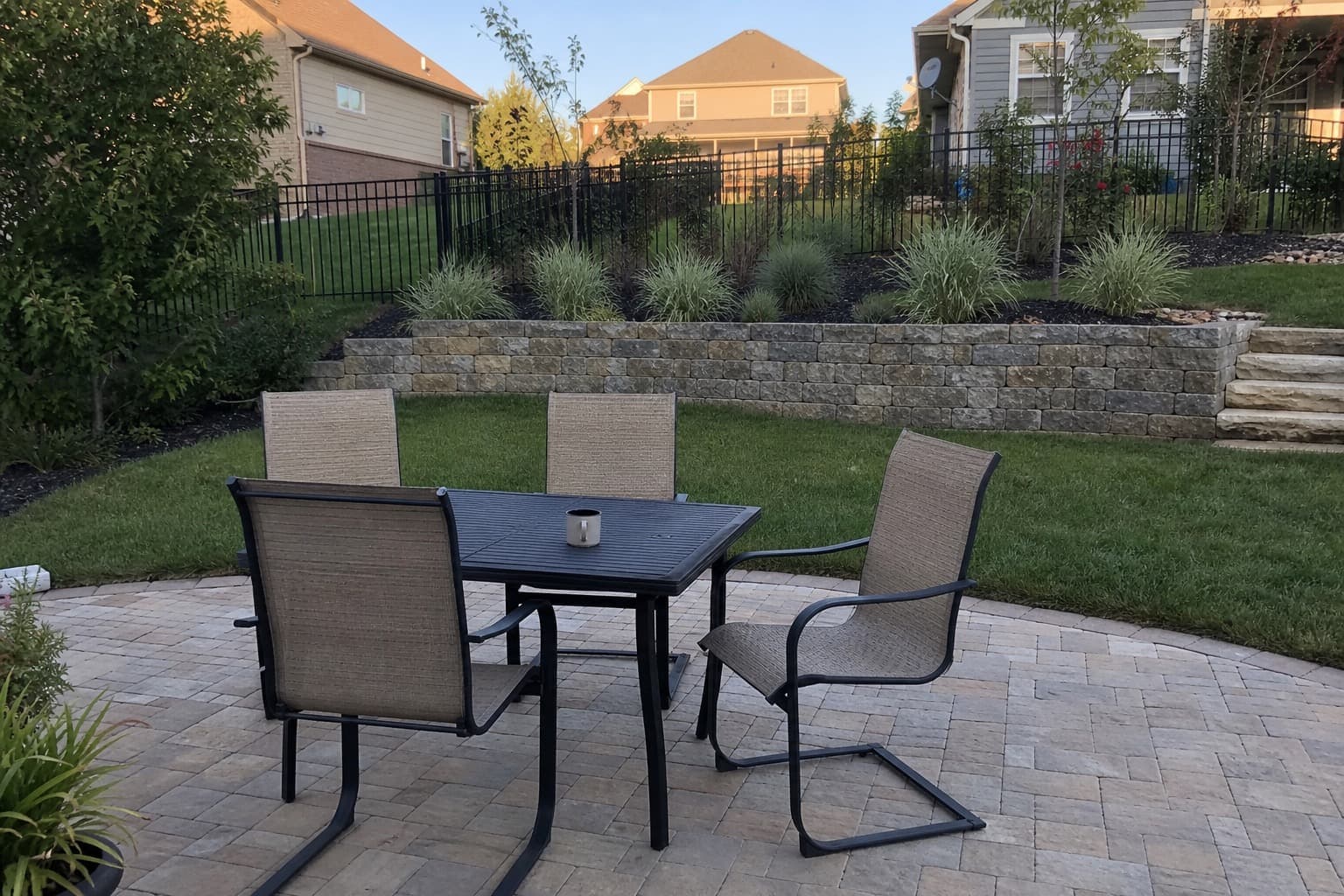
Paver Patio Cost in Lexington, KY: What Homeowners Should Budget Around
A practical guide to paver patio cost factors, base prep, pavers versus concrete, drainage, steps, sitting walls, lighting, and outdoor living add-ons.
QUICK ANSWER
Paver patio pricing depends on the base as much as the pavers you see.
Public market sources commonly show installed paver patios around $15 to $35+ per square foot, with higher scopes driven by excavation, base depth, drainage, complex shapes, steps, sitting walls, lighting, and hard access. Orlando's final quote depends on the actual layout and site conditions.
- A stable base is what keeps the patio from settling.
- Drainage and grade should be planned before pavers are installed.
- Outdoor living add-ons can turn a patio into a broader hardscape project.
Use This Guide to Separate a Simple Patio From a Full Outdoor Living Project
Paver patio cost depends on more than square footage. Base depth, excavation, grading, drainage, paver type, steps, sitting walls, and access all affect the estimate.
Best for
Homeowners planning a patio, comparing pavers and concrete, or trying to understand outdoor living add-ons.
Primary handoff
Hardscaping and patios when the core scope is a built outdoor surface.
Pricing posture
Public market sources commonly place paver patios around $15 to $35+ per square foot depending on base, paver, shape, and add-ons.
PROCESS
What a paver patio estimate is really accounting for
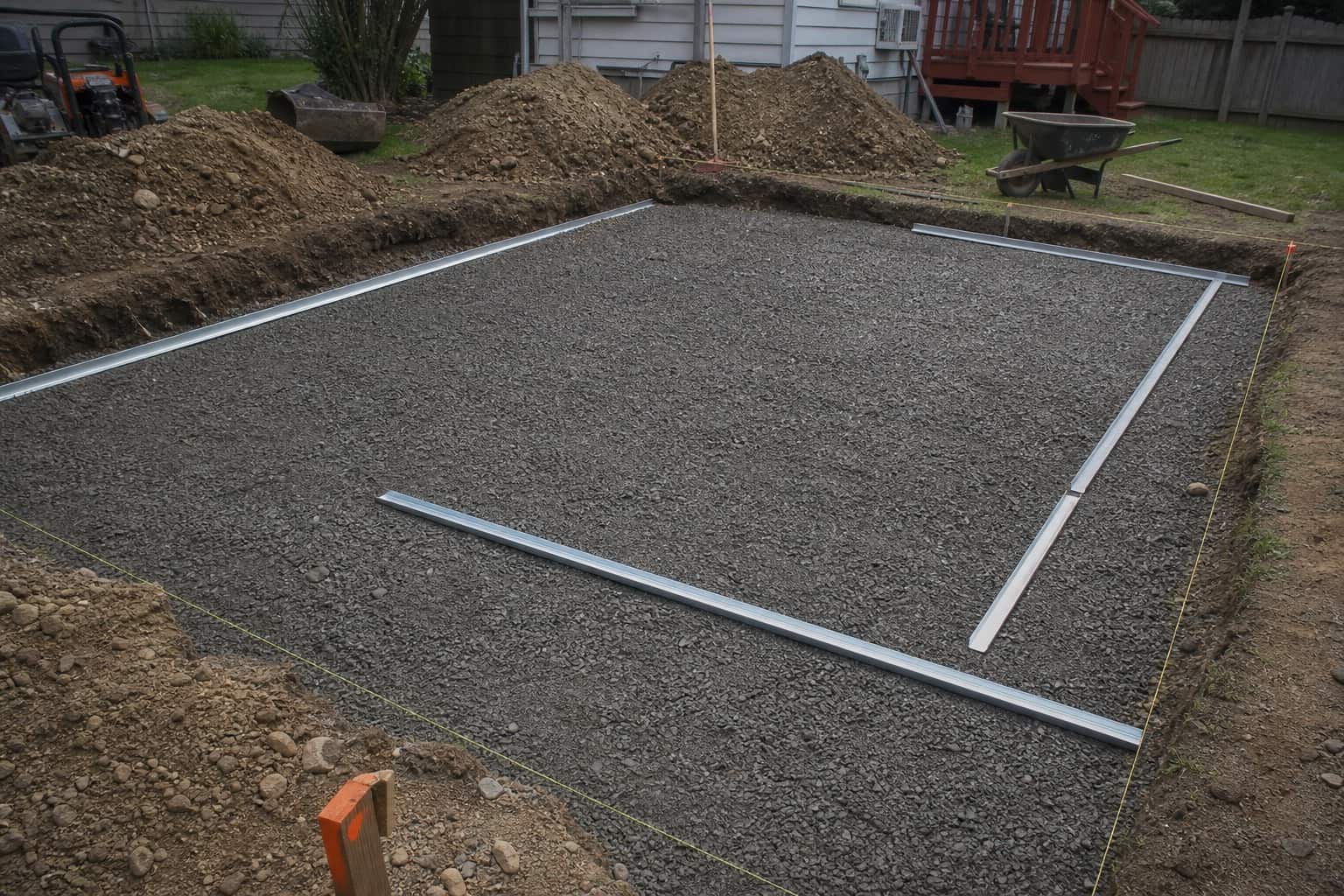
Base
Excavation and base prep carry the patio
A patio is only as reliable as its compacted base, grade, and edge restraint.
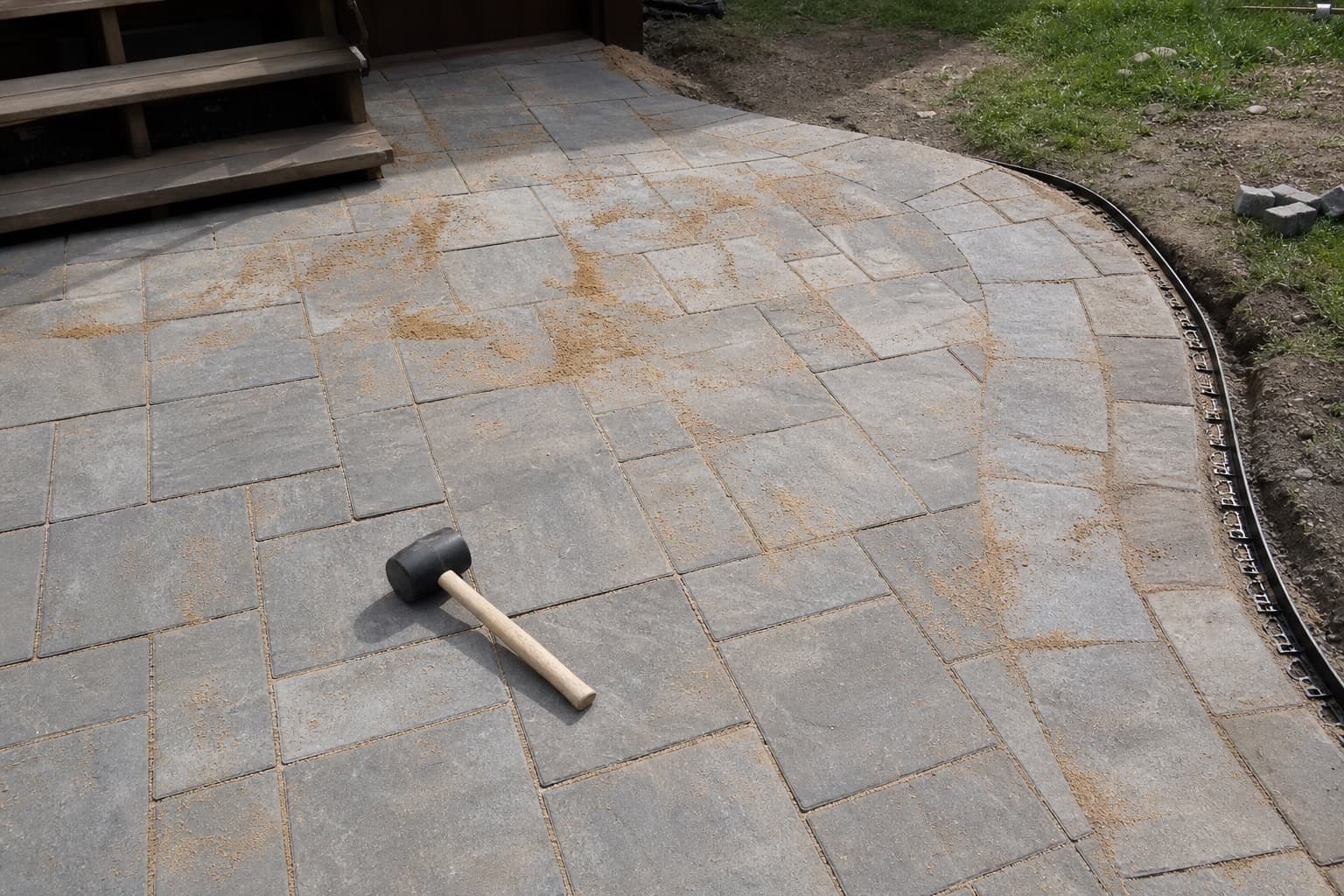
Pavers
Material and layout affect labor and finish
Paver size, pattern, cuts, borders, and transitions change both appearance and installation time.
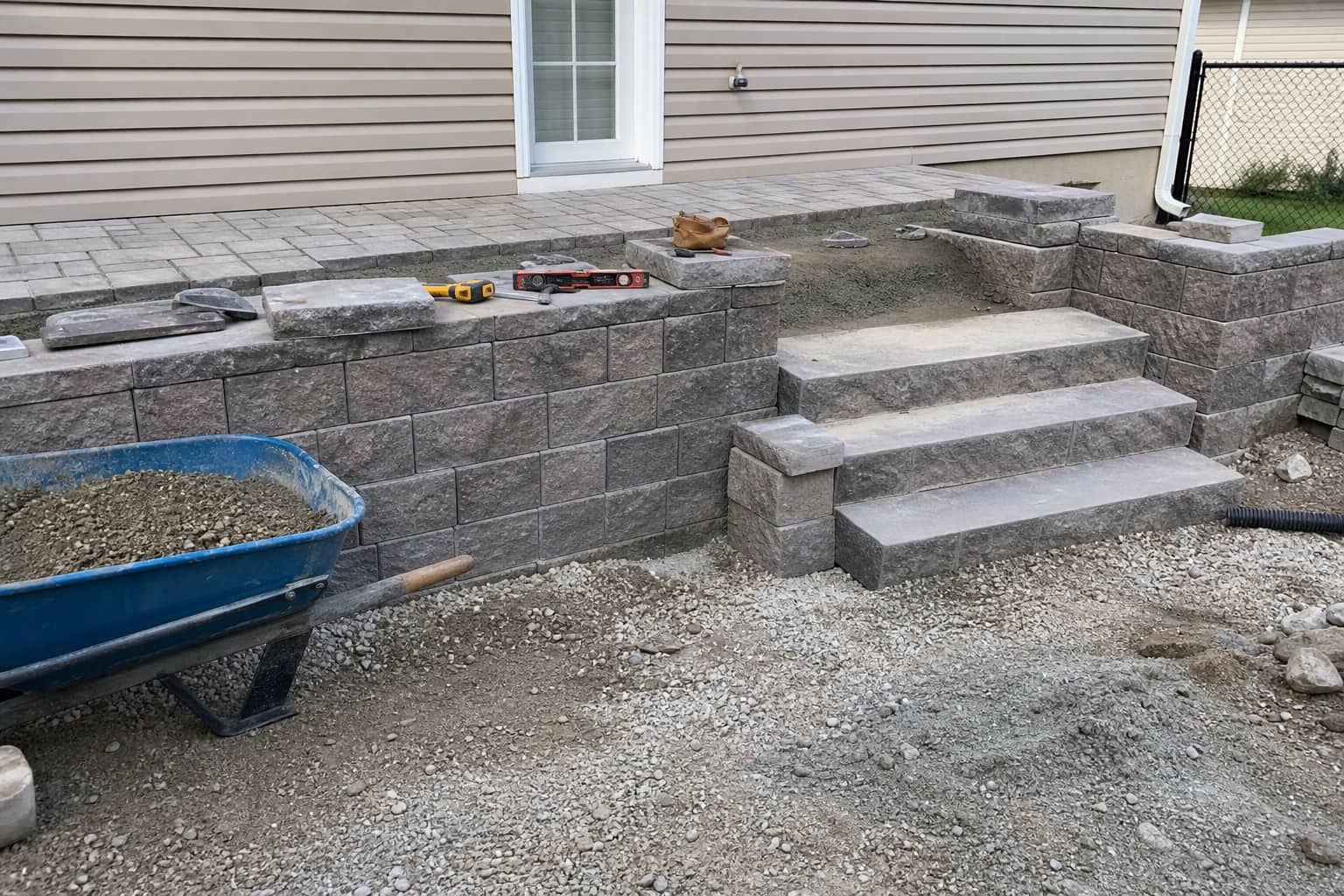
Add-ons
Steps and sitting walls expand the scope
Vertical features require more planning, material, base work, and drainage awareness.
Use
Furniture and traffic flow set the right size
A patio should be sized around how people will actually sit, move, grill, and gather.
THE SHORT VERSION
- Base prep, drainage, access, and layout complexity shape patio cost as much as paver material.
- Pavers and concrete solve different problems; repairability and appearance matter alongside price.
- Steps, sitting walls, lighting, and retaining edges should be scoped upfront, not patched in later.
COST DRIVERS
What changes paver patio cost
- Square footage
Larger patios need more excavation, base, pavers, edge restraint, and labor.
A small grill pad is a different scope from a dining and seating patio.
- Base prep
Soil, compaction, excavation depth, and drainage shape long-term stability.
A weak base can lead to settling even if the surface looks good at first.
- Paver choice
Material, size, border, pattern, and cut complexity affect cost.
A simple running pattern usually installs faster than detailed borders and curves.
- Drainage and grade
Water needs to move away from the house and off the patio surface.
Existing drainage issues should be handled before the patio locks in the grade.
- Add-ons
Steps, sitting walls, lighting, fire pits, and retaining edges create broader hardscape scope.
A patio plus sitting wall is not priced like a flat paver pad.
MATERIAL DECISION
Pavers versus concrete is not only a price decision
Pavers
Best for a finished outdoor living look with individual units that can be repaired or reset.
- •Premium visual finish
- •Repairable sections
- •Many patterns
- •Higher base/detail demands
Concrete
Best when the priority is a simpler slab and lower design complexity.
- •Fewer pieces
- •Different cracking behavior
- •Less pattern flexibility
- •Still needs good prep
Pavers with add-ons
Best when the patio is part of a larger outdoor living layout.
- •Steps
- •Sitting walls
- •Lighting
- •Retaining edges
HANDOFF
When a patio estimate should include adjacent work
If
The patio area is flat, accessible, and mostly just needs a new outdoor surface.
Then
Start with a hardscaping and patio estimate.
BEST NEXT STEP
This is patio-led work when the main deliverable is the hardscape surface.
See hardscapingIf
Water moves toward the house or sits where the patio should go.
Then
Address drainage before the patio locks in the grade.
FIX FIRST
Drainage affects base prep and long-term patio performance.
See drainageIf
The patio needs steps, a wall, or a level area on a slope.
Then
Coordinate hardscaping and retaining wall scope together.
RELATED SERVICE
Walls and grade changes can define the patio layout.
See wallsREQUEST READY
What to send before requesting a patio estimate
Rough dimensions
Share the length and width or the furniture you want to fit.
Current photos
Show the house connection, grade, access, and existing surface.
Use case
Say whether this is for dining, grilling, a fire pit, seating, or a walkway connection.
Add-ons
Mention steps, sitting walls, lighting, retaining edges, or planting beds.
Drainage concerns
Tell us if water sits, runs toward the house, or crosses the patio area.
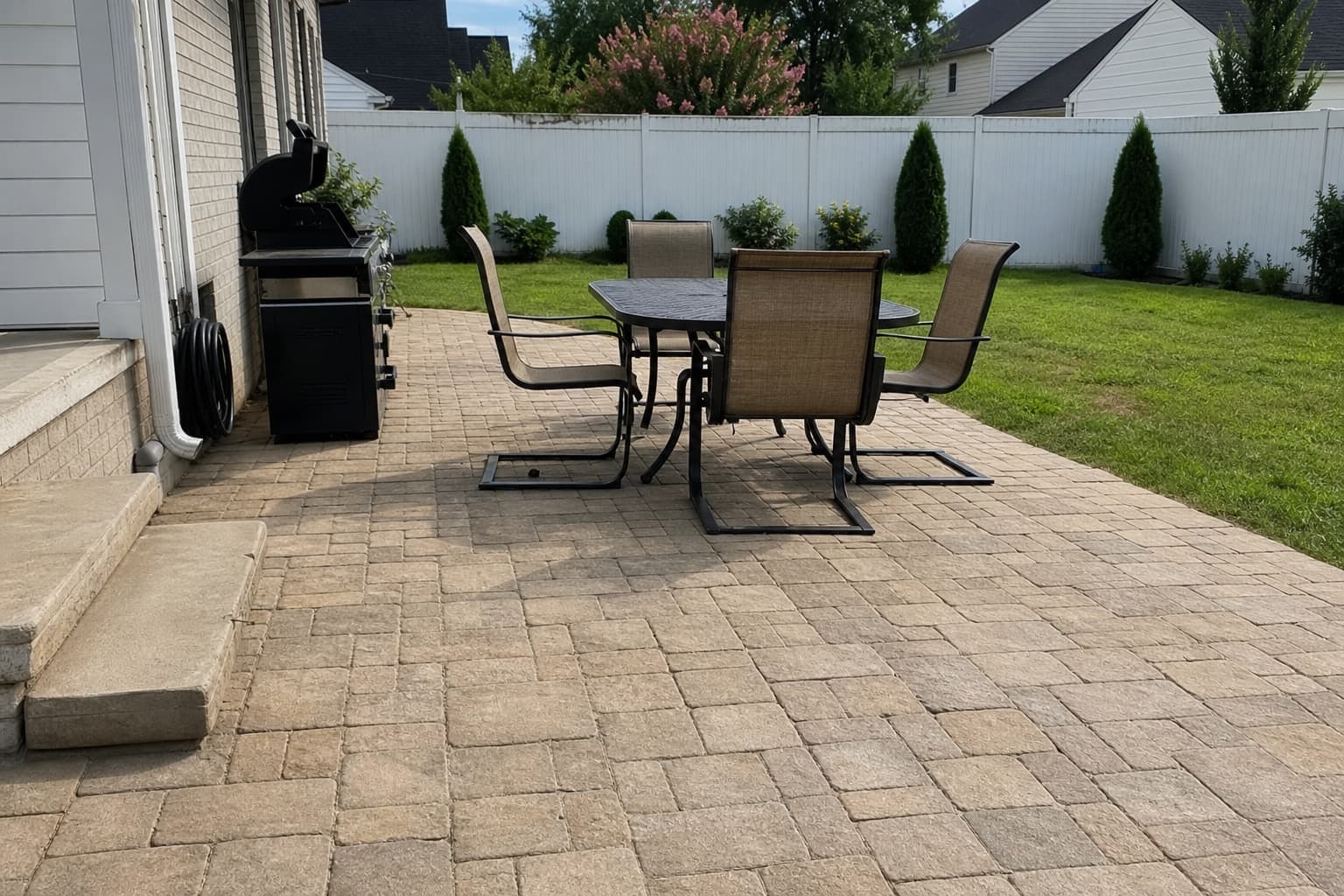
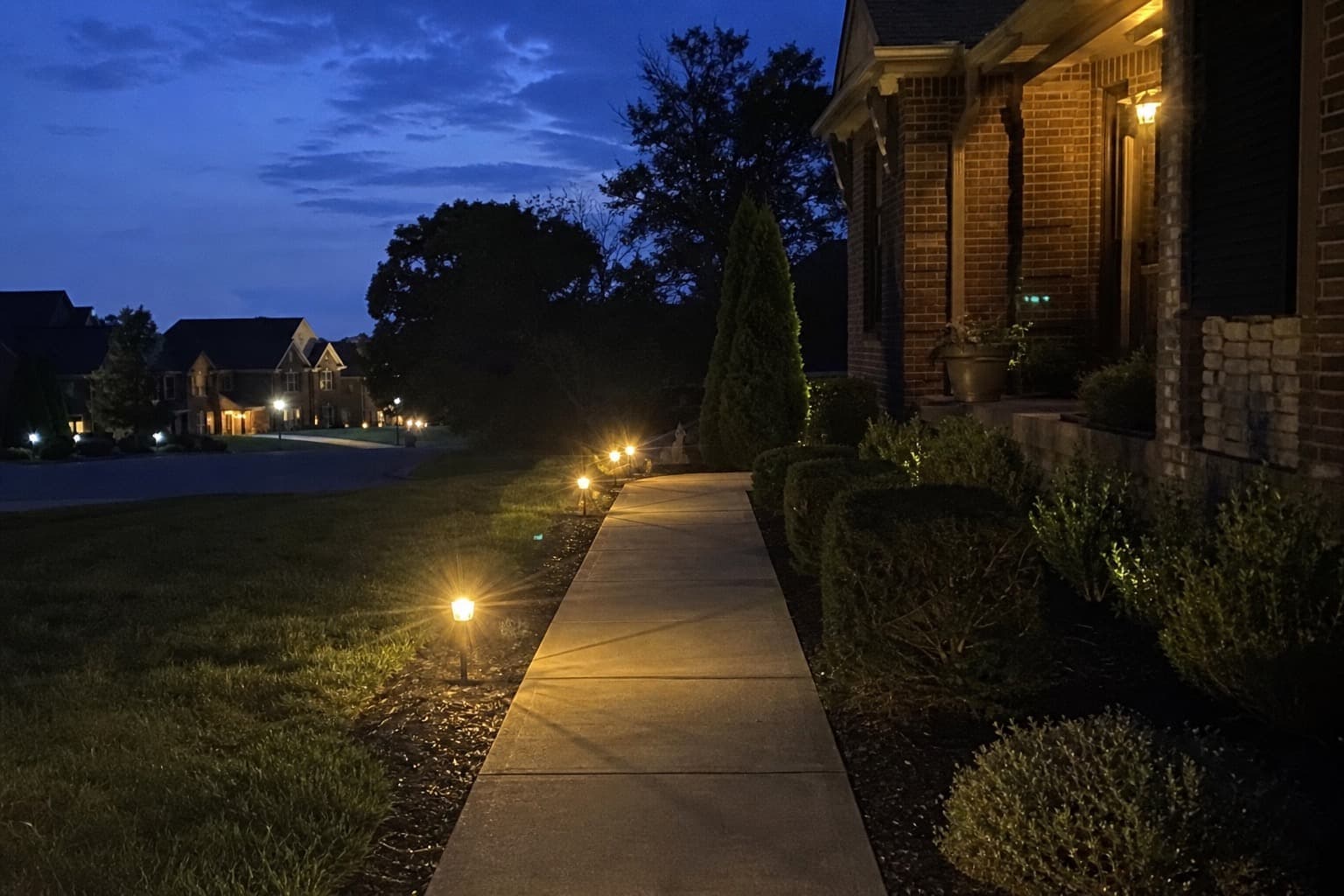
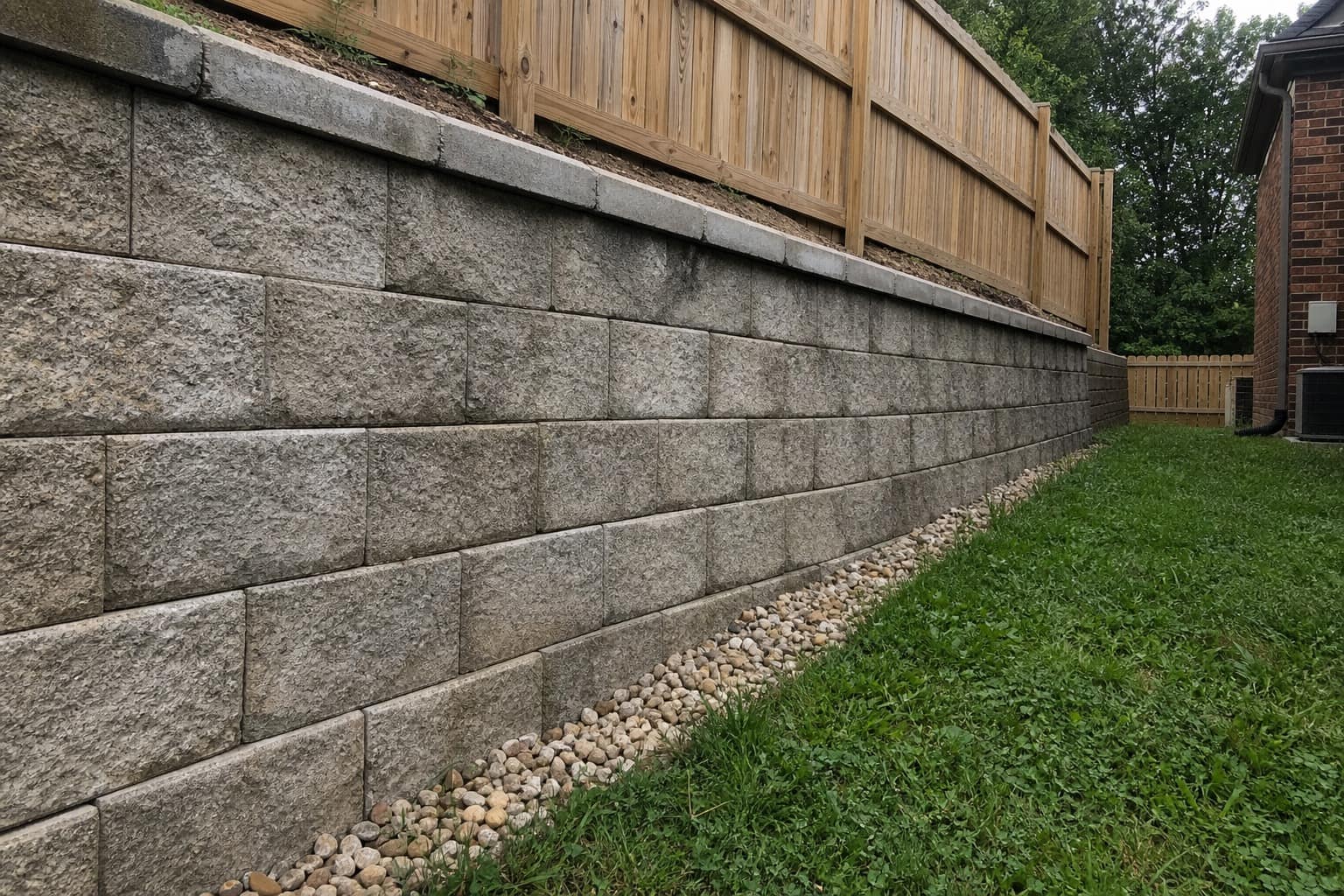
Related Proof for Patio and Hardscape Planning
Use these pages to route patio questions toward hardscaping, drainage, lighting, or retaining wall scope.
Continue With the Right Outdoor Living Service
Use these pages once the guide helps you decide whether the project is patio-led, drainage-led, lighting-led, or wall-led.
Paver Patio Cost FAQs
Short answers for homeowners comparing patio materials, budgets, and add-ons.
Why are paver patios often more expensive than basic concrete?
Paver patios include excavation, compacted base, edge restraint, individual paver layout, cuts, joints, and finish work. The visible paver is only one part of the cost.
Should drainage be handled before patio installation?
Yes. Water movement should be understood before the patio is built so the base, slope, and surface do not trap water or send it toward the house.
Do steps and sitting walls change the patio estimate?
Yes. Vertical features add materials, base work, drainage planning, and labor, so they should be discussed before the estimate is built.
Still have questions? We're happy to walk through your project.
Ready to turn the patio idea into a scoped hardscape estimate?
Send rough dimensions, photos, desired use, city or neighborhood, and any add-ons like steps, walls, lighting, or drainage concerns.