Quick answer
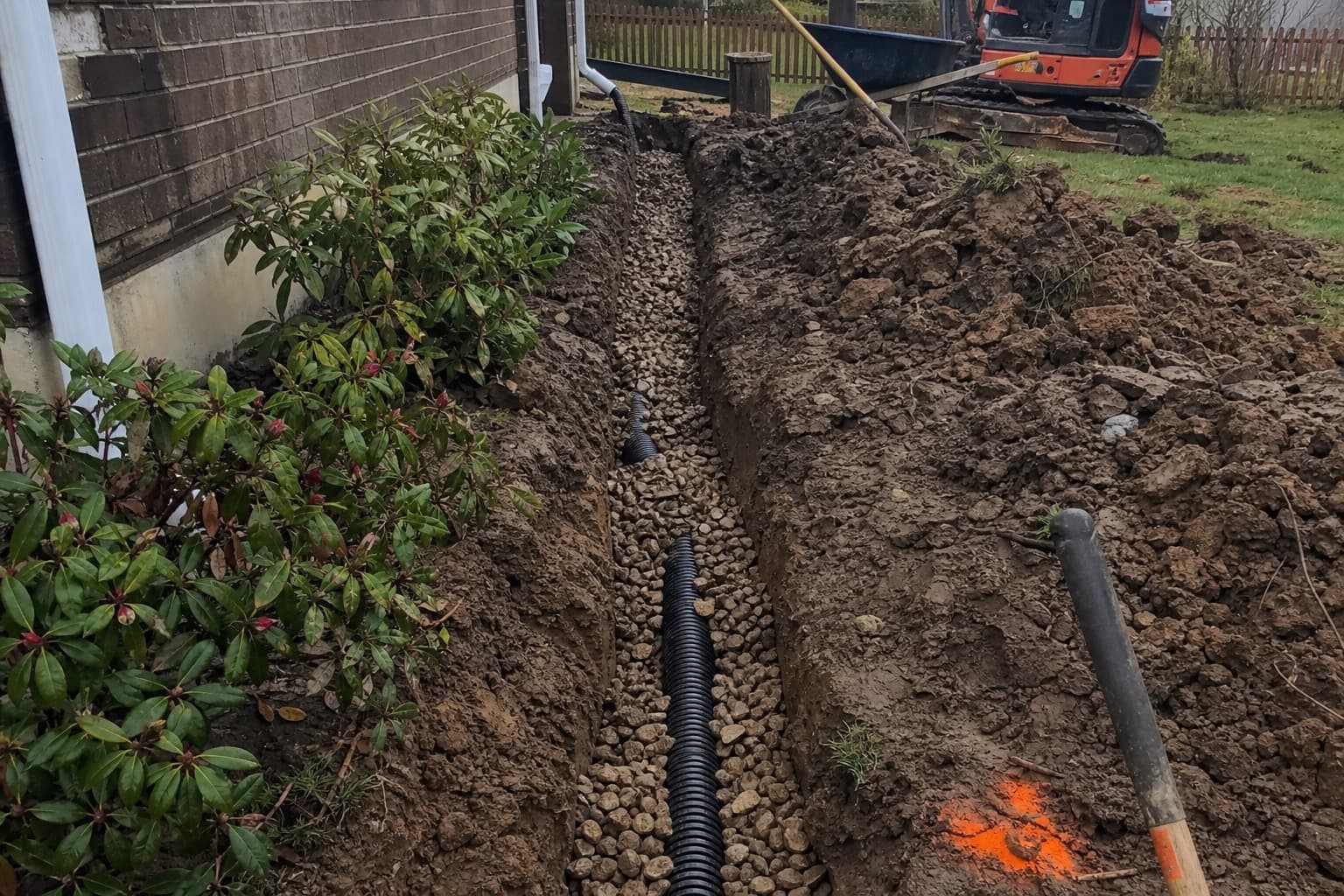
A useful estimate needs more than linear footage. The walkthrough should confirm whether water is moving below the surface, whether a proper outlet exists, how deep the trench needs to be, and what lawn or bed repair is required afterward.
Key takeaways
A French drain is not the default answer for every wet yard.
The estimate should identify the water source, trench path, discharge point, and restoration plan.
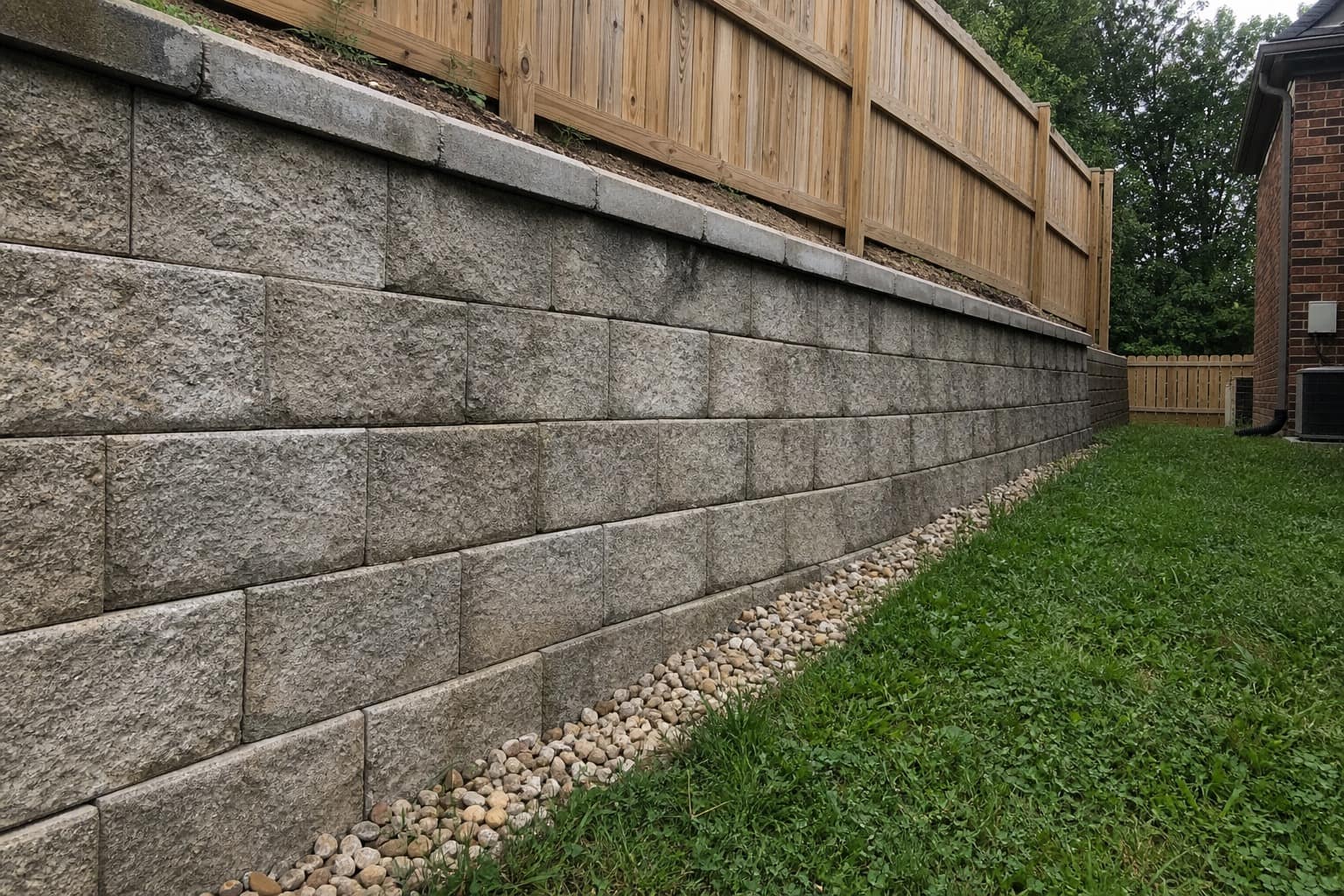
If the same area also needs grading, sod, or foundation protection, scope those pieces together before work starts.
French drain, grading, or downspout routing?
Use the symptom to avoid asking for the wrong fix.
French drain candidate
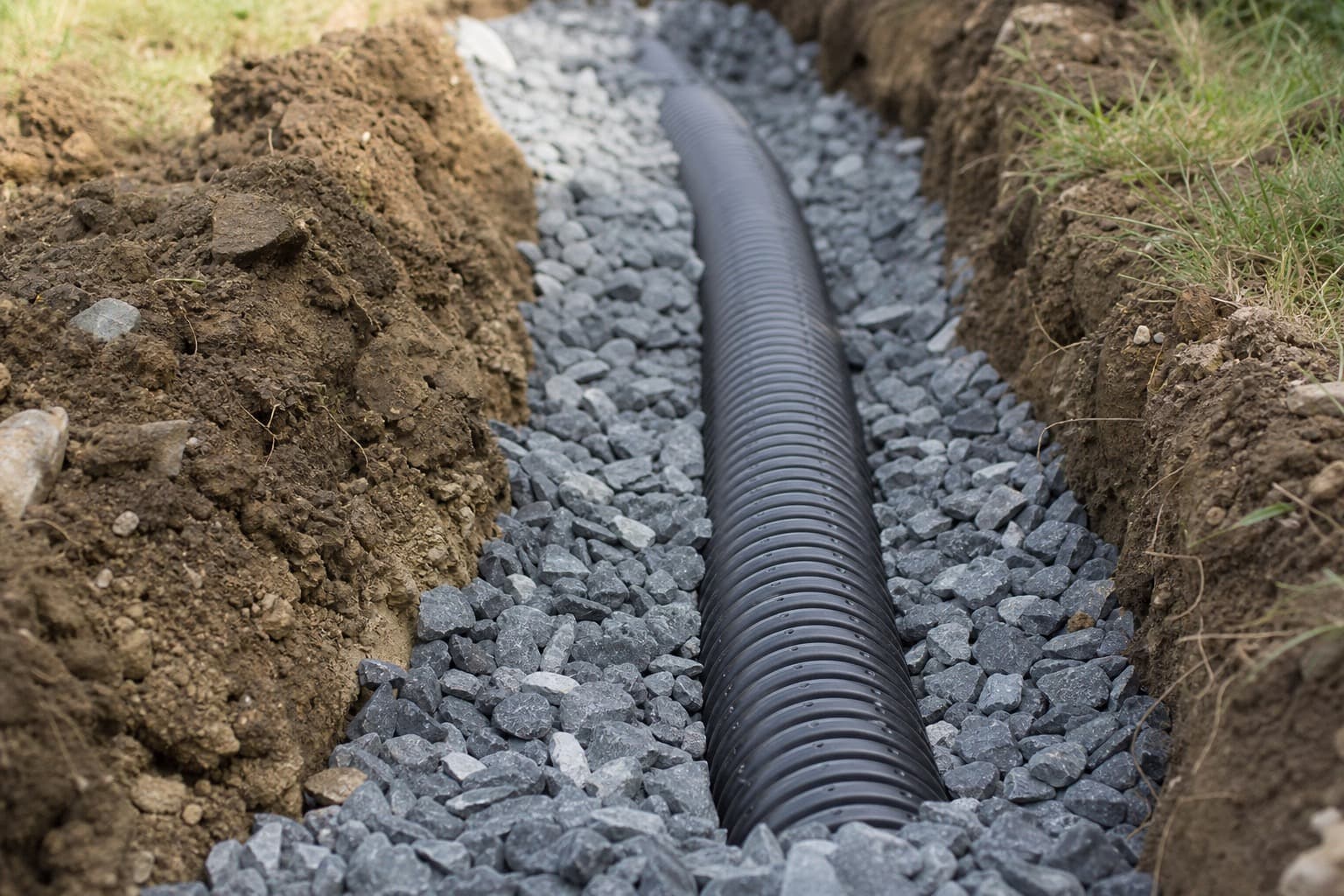
Water stays in wet soil or a side-yard corridor after rain. Confirm trench route, stone, pipe, fabric, outlet, and restoration.
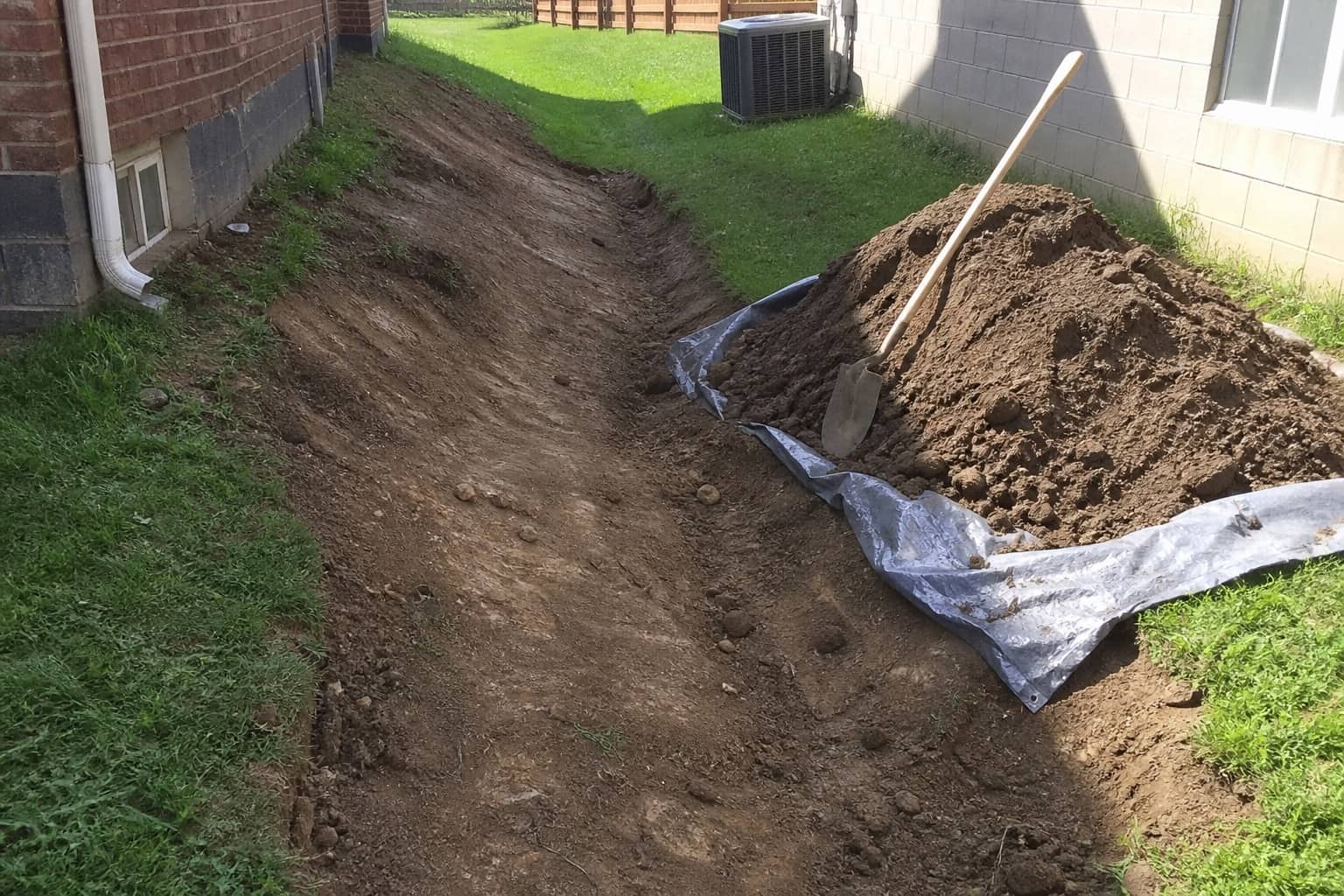
Grading candidate
Surface water has no clean path away from a low spot. Confirm slope, swale shape, fill, topsoil, and sod or seed repair.
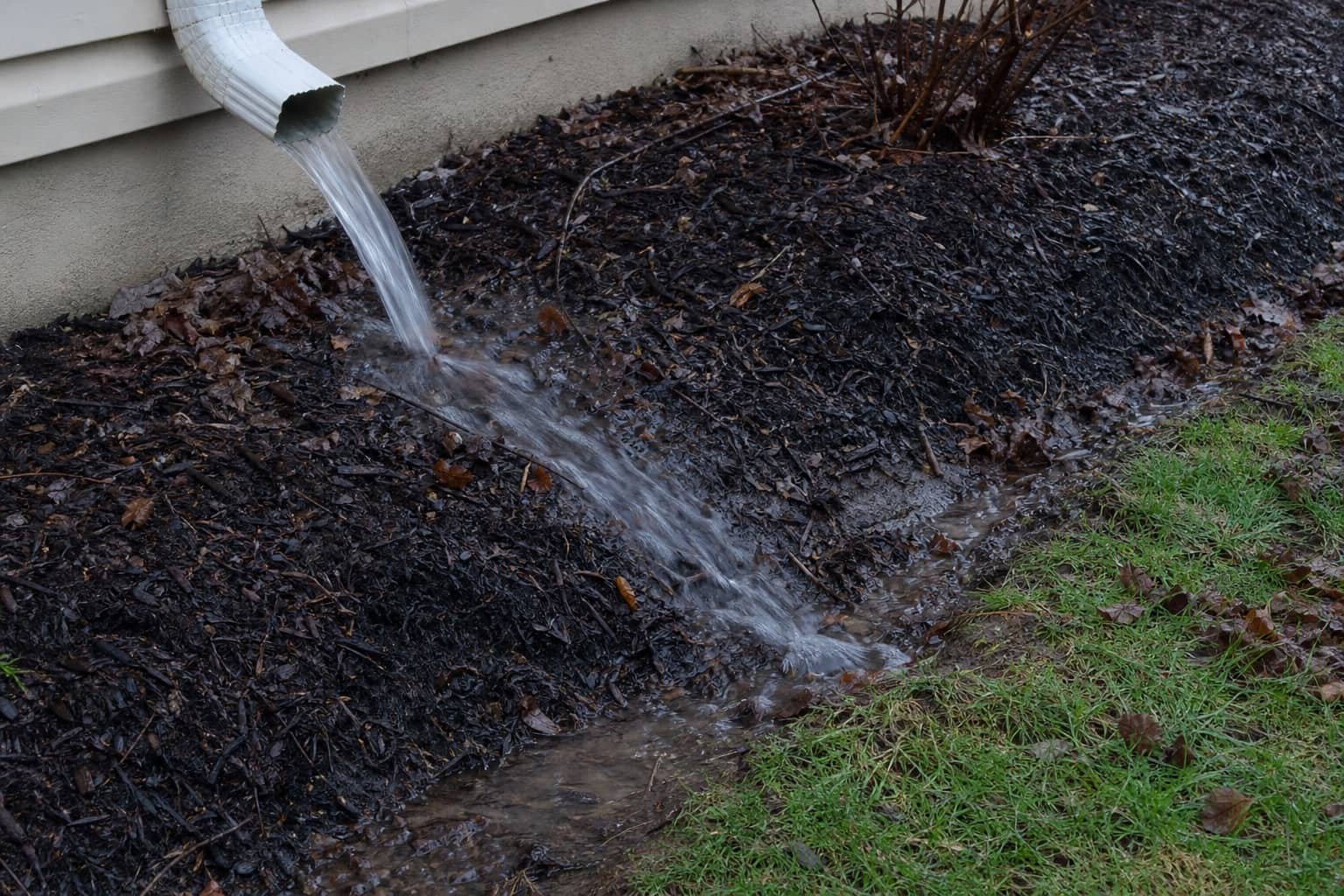
Downspout candidate
Roof water is washing mulch, soil, or lawn at a discharge point. Confirm routing, outlet, buried extension, and surface protection.
What changes French drain cost
Trench length and depth
Longer or deeper routes mean more excavation, stone, pipe, fabric, and labor. A short side-yard correction is different from a long backyard route.
Discharge point
Water needs somewhere appropriate to go, and finding that outlet can change the design. A drain without a useful outlet can simply move the problem.
Soil and access
Clay, roots, fences, gates, utilities, and tight side yards all affect installation time. Machine access can change the labor profile substantially.
Restoration
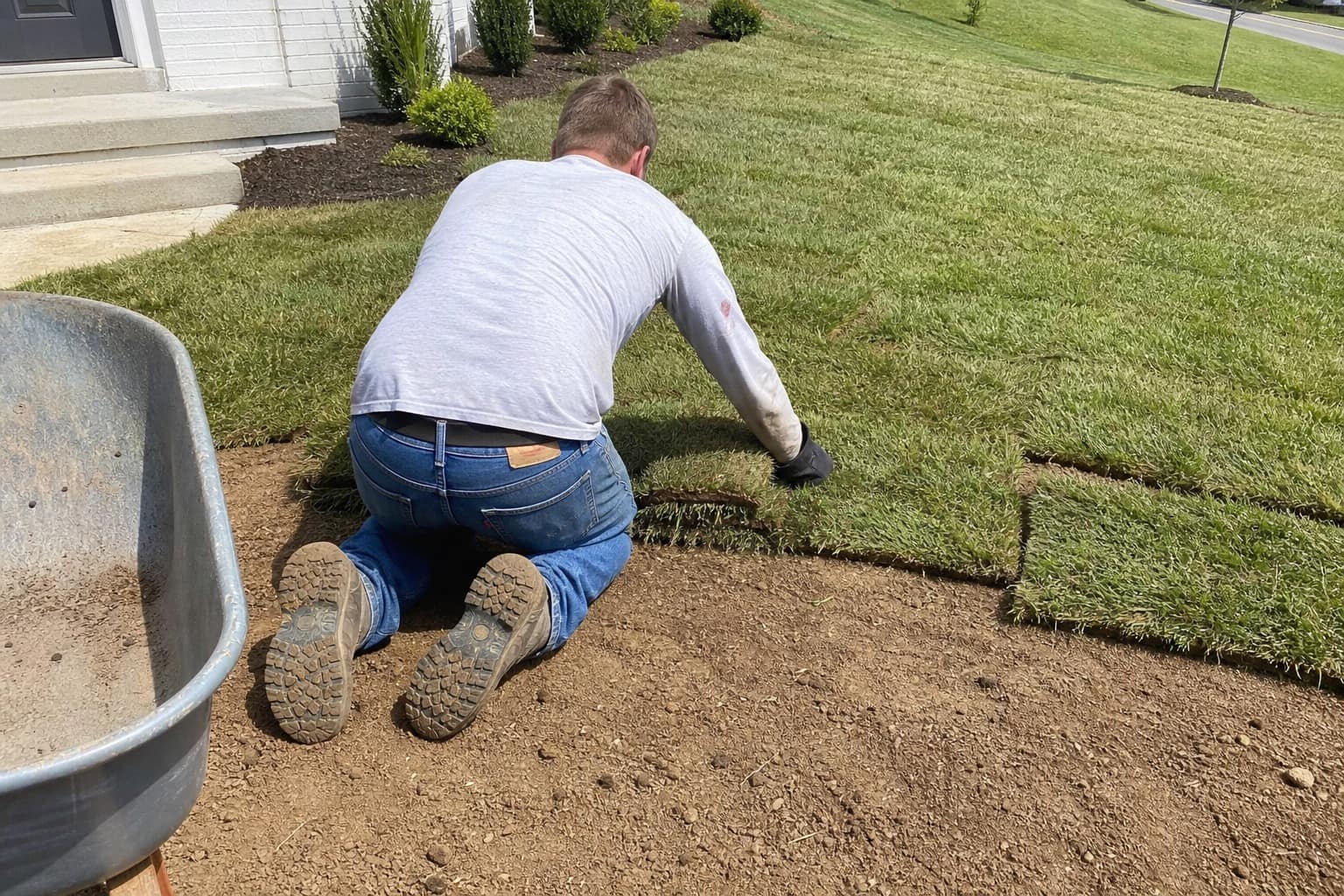
Trenched lawn or bed areas may need grading, topsoil, seed, sod, mulch, or plant repair. The finished surface should be planned before the trench is opened.
Compare French drains with other drainage fixes
French drain
Best when subsurface water needs collection and a clean discharge route.
- Wet soil
- Side yards
- Stone and pipe
- Outlet required
Regrading
Best when surface water needs to move away through slope correction.
- Low spots
- Swales
- Topsoil
- Sod or seed repair
Rain garden or dry creek
Best when the solution can be integrated into a planted or stone landscape feature.
- Visible runoff
- Wet-area planting
- Overflow planning
- Design coordination
When to request a French drain estimate
Water keeps returning in the same wet side yard or low lawn area.
Request a drainage walkthrough so the route, outlet, and restoration can be scoped together.
See drainage serviceThe wet area is tied to roof runoff or a foundation edge.
Ask about downspout routing and grading before assuming the answer is a French drain.
Read yard drainage guideThe yard is low, uneven, or needs lawn repair after drainage.
Coordinate drainage with grading or sod planning so the finished yard is usable.
See sod installation