Quick answer
Best for repair, renovation, and budget-sensitive projects when the timing window is right.
Key takeaways
Seed is usually better for budget-sensitive repair when timing and patience are available.
Sod is usually better for instant coverage, erosion-prone areas, and lawn replacement after prep.
Neither option fixes drainage, compaction, or grading problems by itself.
Seed and sod both need the same underlying questions answered
Choose the right season for the method
Cool-season seeding is most forgiving in late summer to early fall; sod can be installed in more windows when soil is workable and watering is realistic.
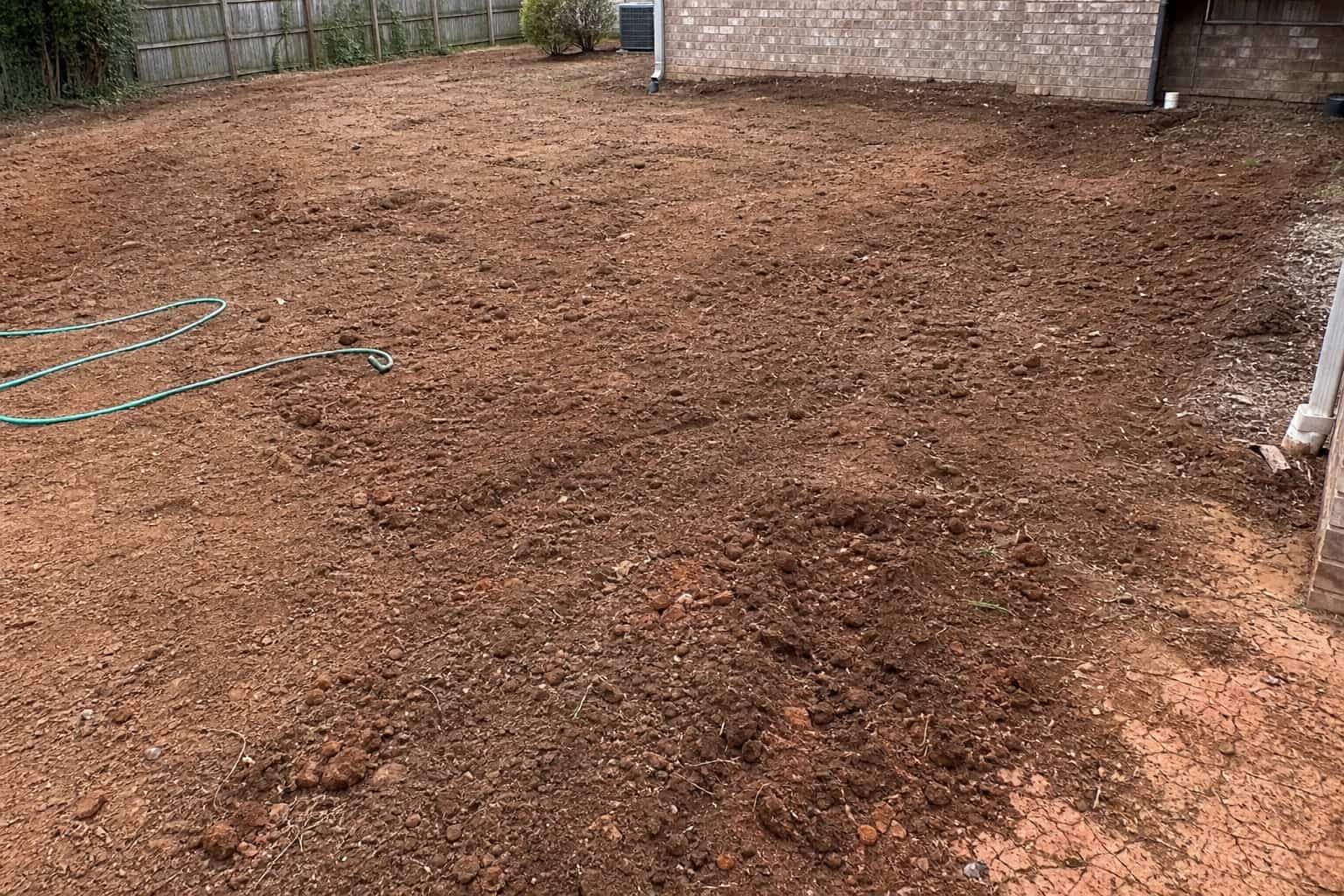
Fix grade, soil, and debris first
Seed and sod both struggle when low spots, compaction, drainage, or old turf problems are ignored.
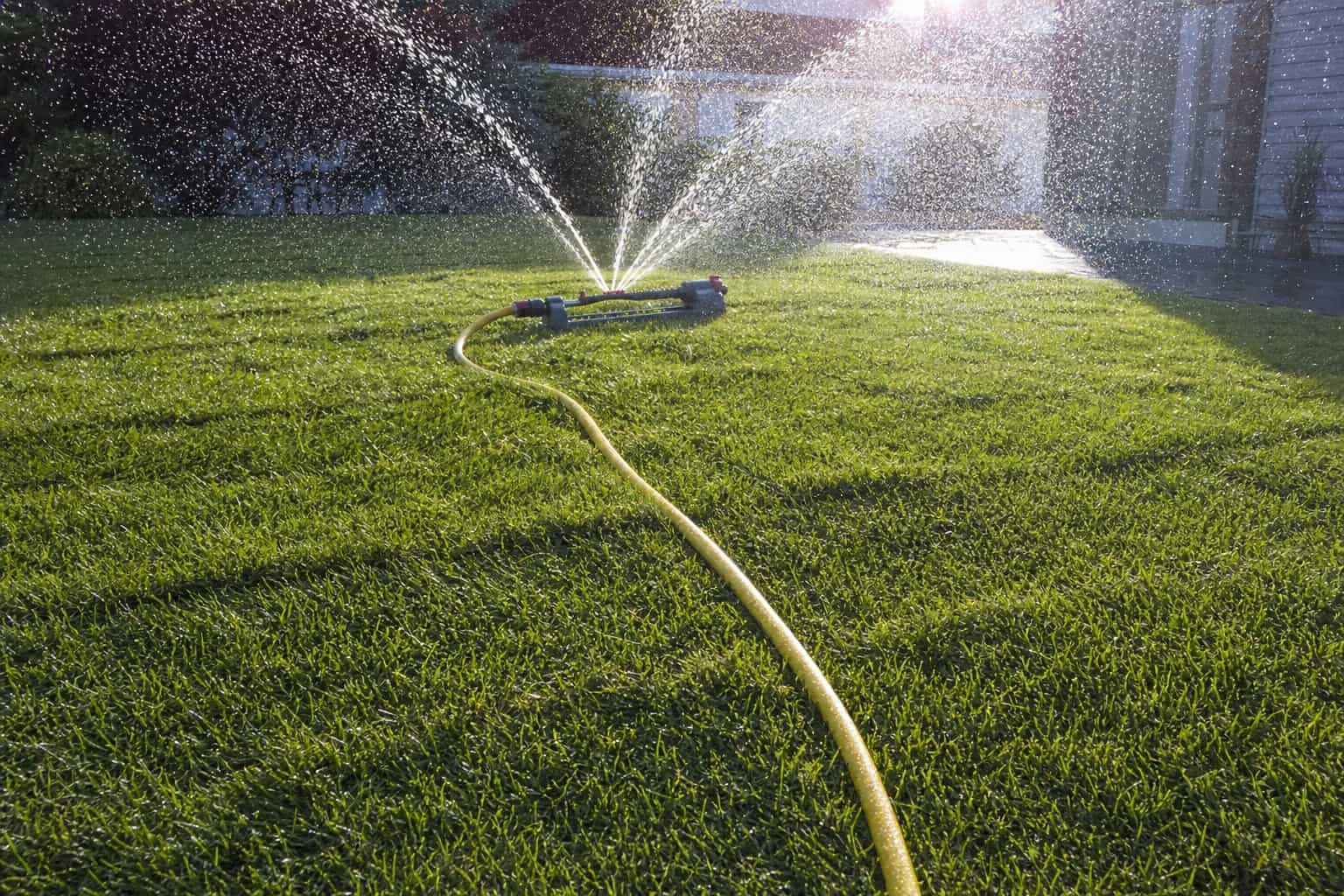
Plan watering before installation
New seed and new sod both need consistent moisture, though sod provides a usable surface faster.
Seed and sod solve different lawn problems
Grass seed
Best for repair, renovation, and budget-sensitive projects when the timing window is right.
- Lower material cost
- Needs patience
- Timing matters
- Vulnerable to washout
Sod
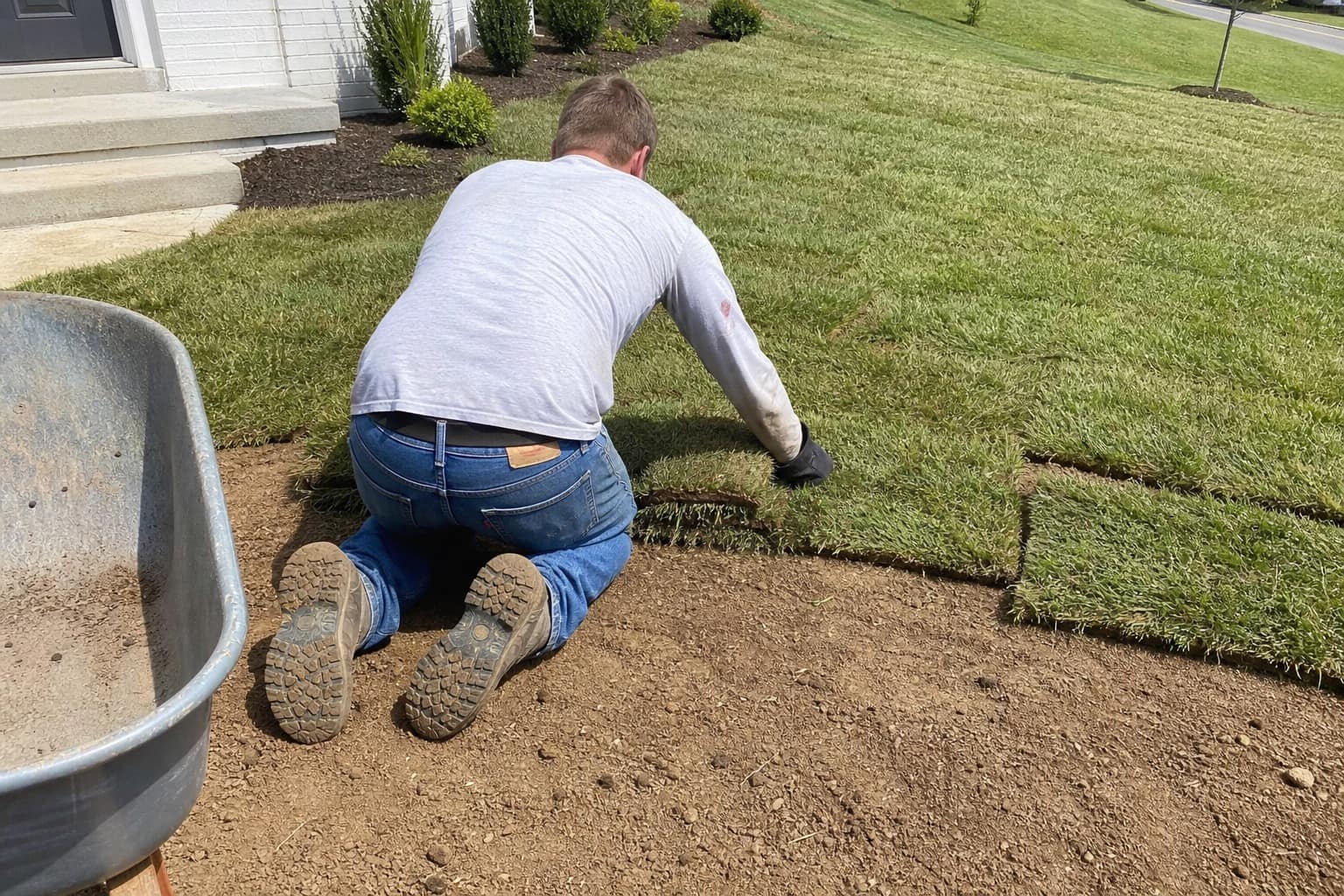
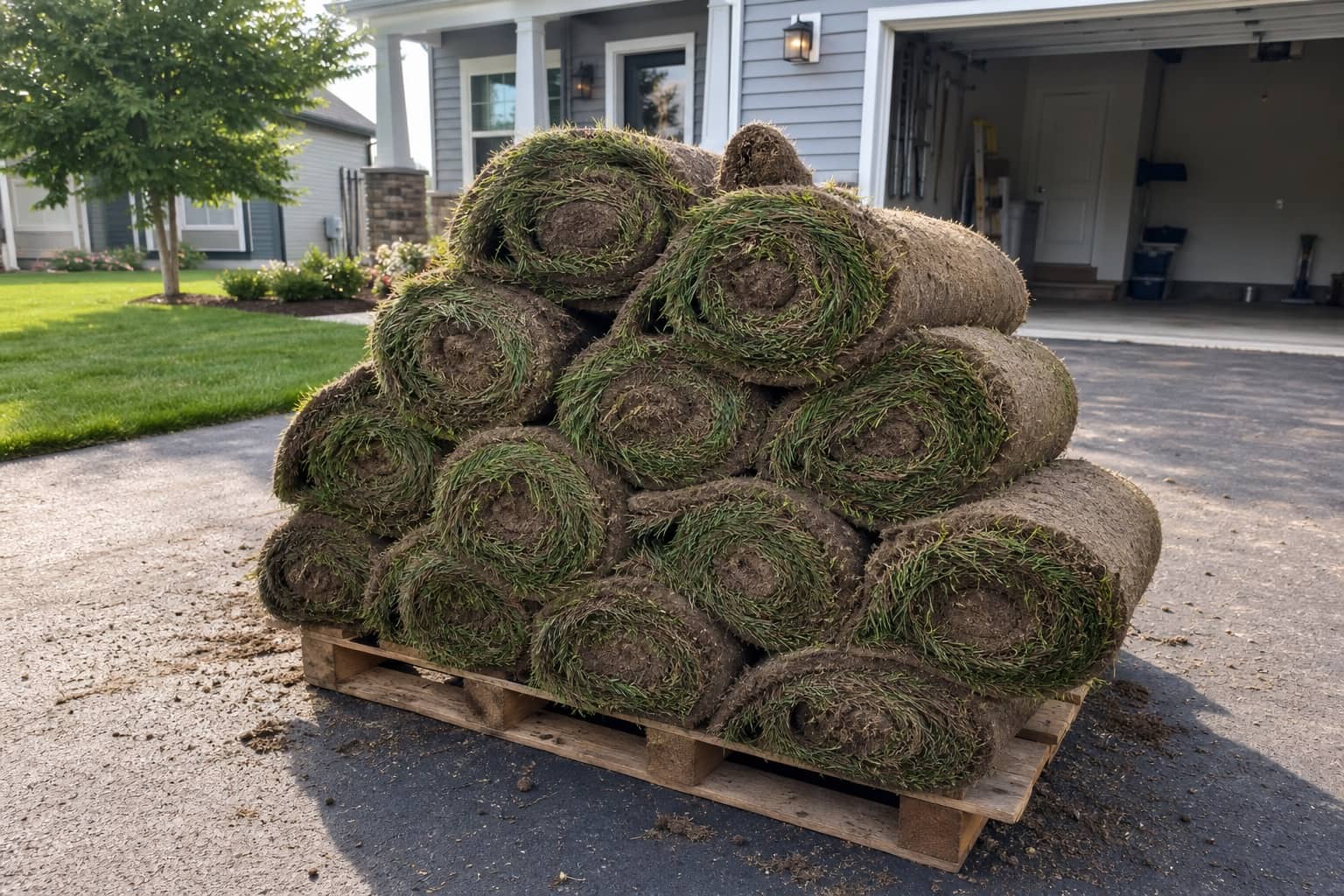
Best for immediate coverage, full replacement, erosion control, and cleaner finished appearance.
- Instant surface
- Higher upfront cost
- Needs prep
- Watering still critical
When seed vs sod should become an estimate request
The lawn is mostly thin but the grade and drainage are sound.
A repair or overseeding conversation may be enough.
See lawn careThe lawn is bare, muddy, washed out, or needs an immediate usable surface.
Sod is usually the stronger estimate path after prep is confirmed.
See sod installationWater or low spots caused the lawn failure.
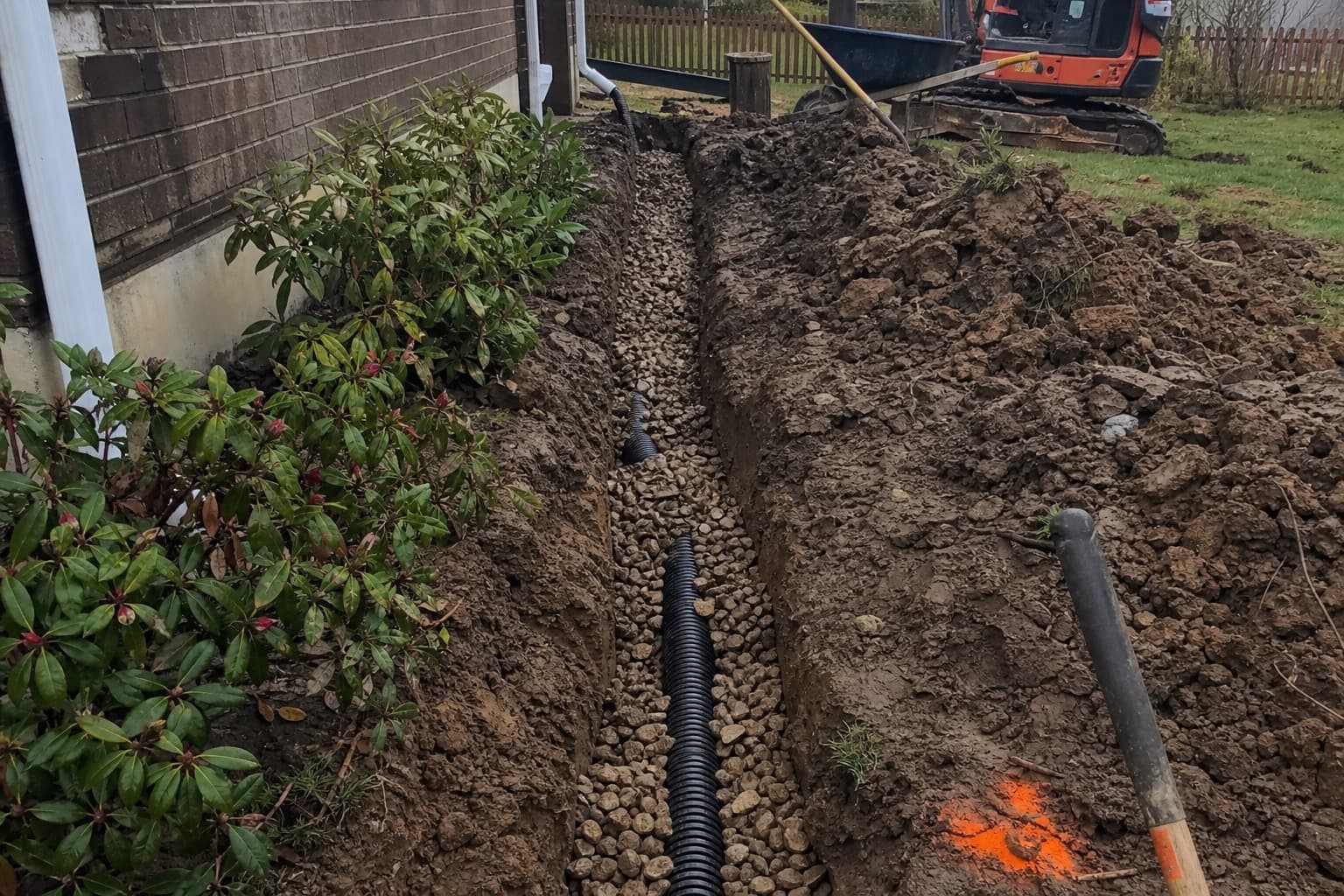
Solve drainage or grading before choosing seed or sod.
Read drainage guide