
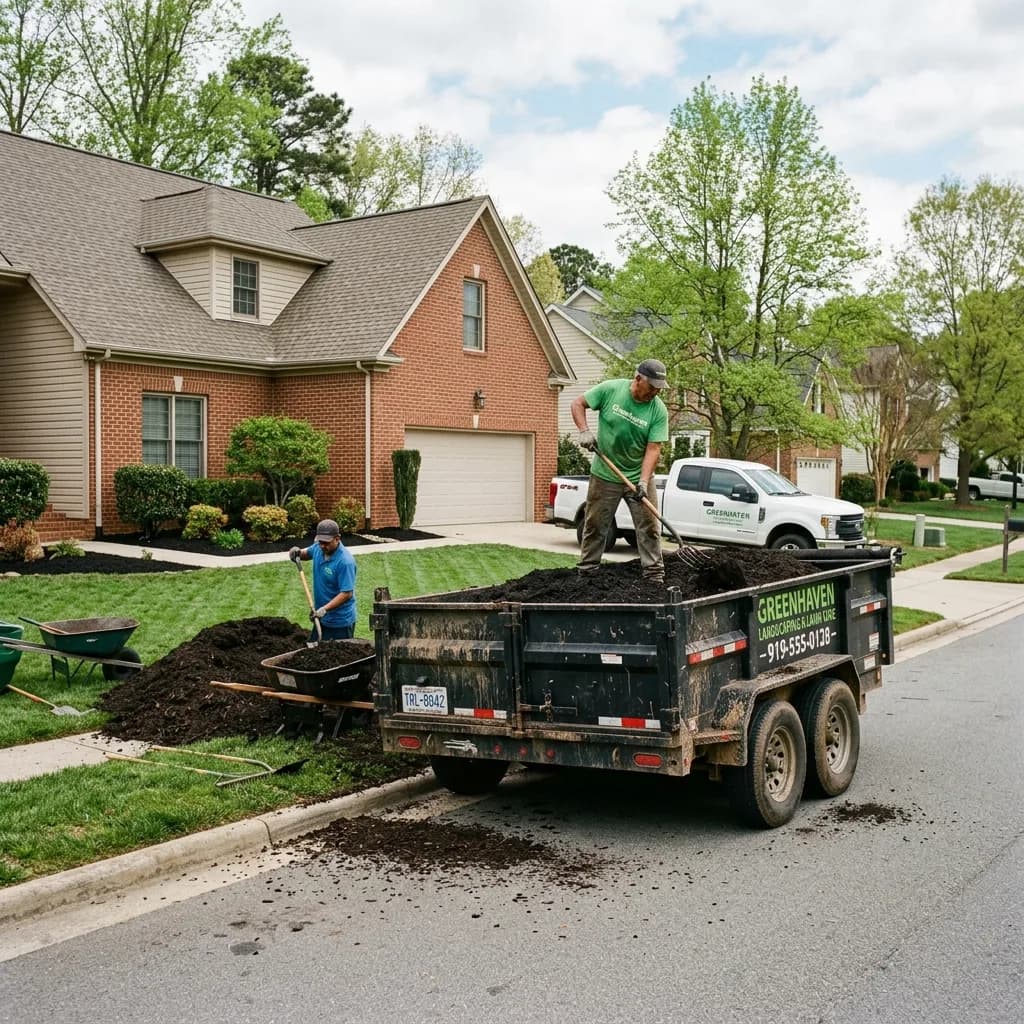
When to Mulch in Lexington, KY for a Cleaner, Healthier Bed Reset
A timing guide for Lexington homeowners deciding when mulch should happen, how spring and fall behave differently, and when a bed really needs cleanup, edging, or leaf removal before mulch alone will look right.
Right Now — Lexington
Outside peak mulch windows · June 27, 2026
Summer and deep winter are outside the ideal Lexington mulch windows — spring and fall remain the strongest timing for suppression and protection.
Reviewed 2026-04-16
QUICK ANSWER
Mulch in spring for the strongest reset, or in fall when the bed needs winter protection.
In Lexington, spring is the cleanest mulch window for appearance and weed suppression. Fall also works when the bed needs cleanup after the growing season. The deciding factor is bed condition: weeds, leaves, soft edges, or old buildup should be handled before the new layer goes down. We install ~2,000 yards of mulch a year - about 75% hardwood, 20% black enhanced.
- Spring mulch reads cleaner from the street because plants are waking up and beds are highly visible.
- Fall mulch is useful when leaves, debris, and thin coverage need to be reset before winter.
- Mulch timing should follow bed condition, not the calendar by itself.
Use This Guide to Decide Timing, Not to Replace the Mulching Service Page
This guide owns timing and refresh logic. It should help you understand when mulch is enough, when the bed needs prep first, and how to route yourself into the right service page when the work becomes commercial.
Best for
Timing, refresh cadence, and bed-condition questions before booking service
Primary handoff
Mulching first, then seasonal maintenance when the bed needs broader reset work
Guardrail
No mulch-service H1 framing and no commercial ownership of black or hardwood mulch queries
VISUAL DIAGNOSIS
Use the bed condition to choose the right timing path
A mulch refresh works best when the bed is already clean enough to receive the finish layer. These quick checks help separate mulch-ready beds from prep-first beds.
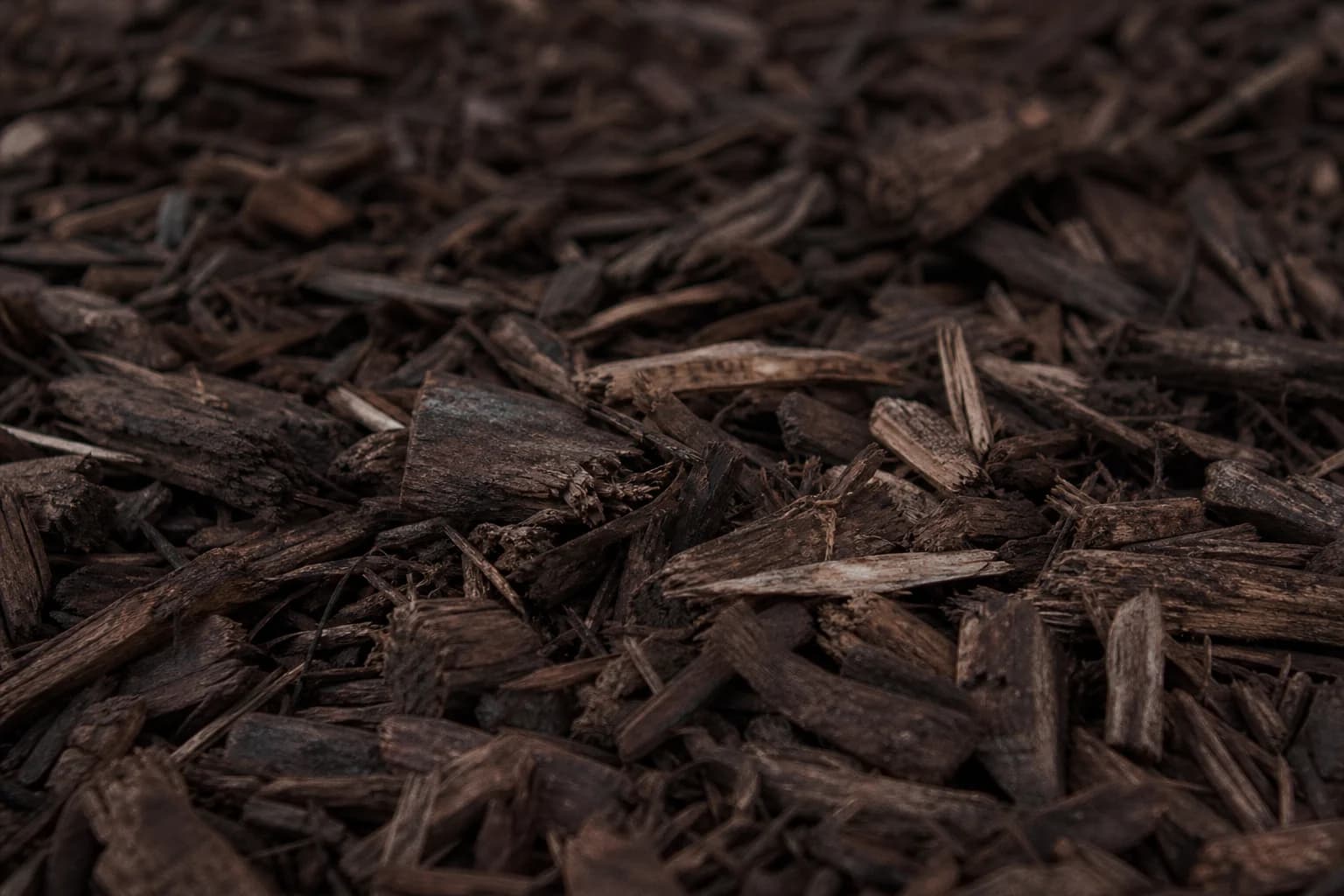
Refresh now
Coverage is thin, faded, or patchy, but the bed is otherwise clean.
Schedule mulch during the next spring or fall window so the bed gets a clean finish layer.
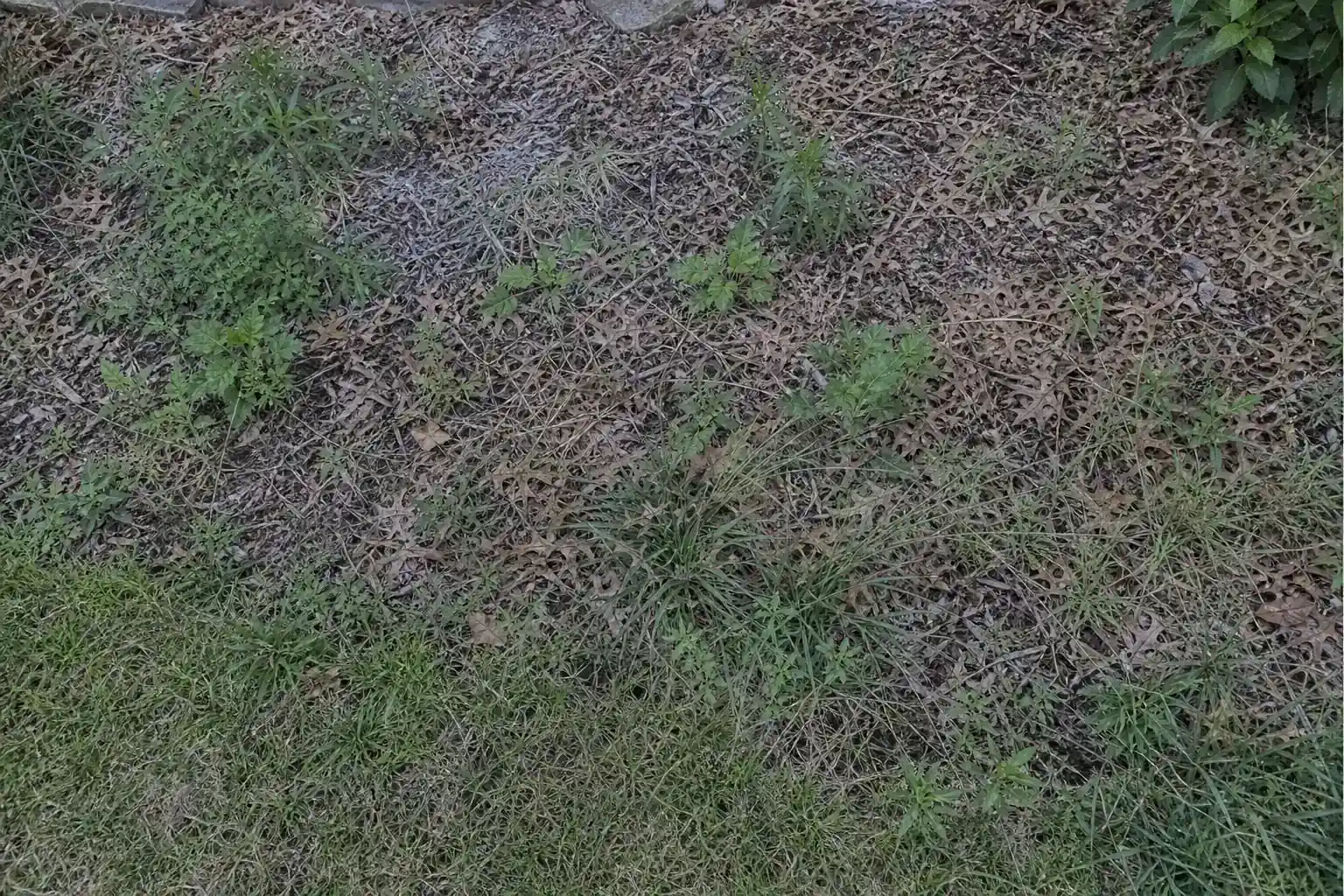
Cleanup first
Leaves, weeds, and old buildup are still visible in the bed.
Handle cleanup before mulch. New material spread over debris will look finished for a short time only.
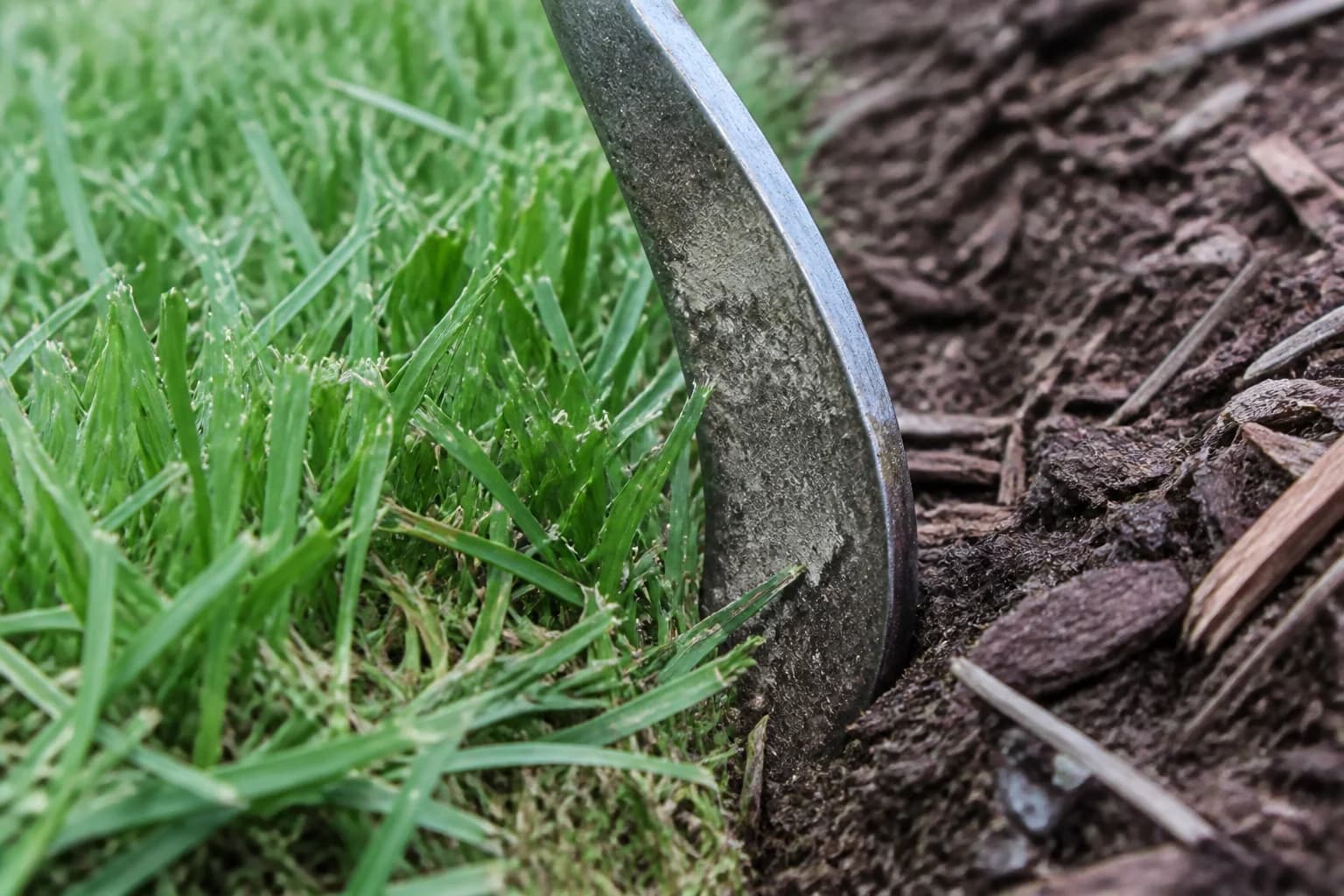
Edge first
The bed line has softened against turf, walkway, or driveway edges.
Recover the edge before the install so the fresh mulch has a clean boundary.
TIMING ORDER
Decide timing by condition, then by season
Use this order before you book a mulch refresh. It keeps the work focused on what will actually improve the bed.
Step 1
Check coverage and color
Look for bare soil, faded color, and patchy coverage. Those are the clearest signals that the finish layer has broken down.
Step 2
Clear debris and weeds
Remove leaves, weeds, and loose buildup before choosing the install window. Mulch should finish the bed, not bury the problem.
Step 3
Recover the bed line
Clean up soft edges before the refresh so the finished bed reads intentional from the lawn, walkway, or driveway.
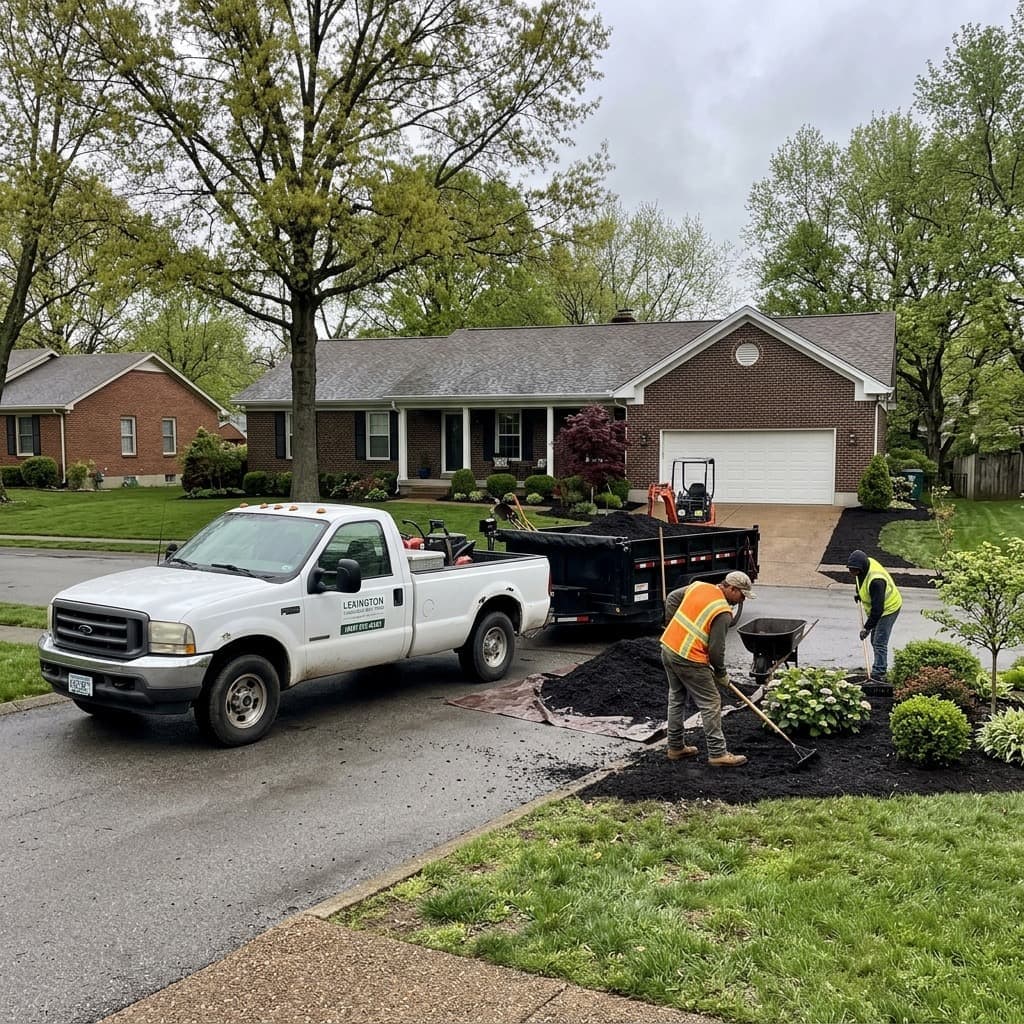
Step 4
Install in the right window
Use spring for the strongest curb-appeal reset or fall when the bed needs a cleanup-backed winter reset.
COMMON MISTAKES
Timing mistakes that make fresh mulch underperform
Most mulch timing problems come from installing at the right month but the wrong bed condition. Check the bed before treating timing as the whole answer.
- Spreading fresh mulch over leaves, weeds, or old debris.
- Refreshing color while the bed edge is still soft or grass-covered.
- Adding more material without checking the existing mulch depth.
- Waiting for spring when a fall cleanup and refresh would solve the actual problem sooner.
THE SHORT VERSION
- Spring mulch freshens the look before the growing season; fall mulch protects the bed and cleans up after it.
- Thin coverage, faded color, soft edges, or weed pressure are the main signals a bed is ready for a refresh.
- Mulch alone does not fix a bed buried in debris - cleanup, edge recovery, or leaf removal has to come first.
- The right timing depends on bed condition as well as the calendar month.
TIMING
The best times to mulch in Lexington and why spring and fall matter differently
The right timing depends on more than the calendar - it also depends on how thin the bed looks, whether the old layer has broken down, and whether cleanup needs to happen before fresh mulch will look right.
WINDOW
Spring
About freshening the look and resetting the bed before the growing season. The most visible improvement window because plants are emerging and the reset reads immediately.
- •Freshens appearance before the growing season
- •Covers winter-damaged or thin areas
- •Best window for weed suppression before summer heat
- •Pairs well with edging and bed line recovery
WINDOW
Fall
About protecting the bed, cleaning up the season, and helping the property go into winter in better shape. Often paired with leaf removal.
- •Protects roots through freeze-thaw cycles
- •Cleans up the bed after the growing season
- •Often combined with leaf removal first
- •Helps the property read tidy going into winter
SIGNS
How to tell a bed needs a mulch refresh now
Beds usually tell on themselves. Separate mulch timing from bed-condition issues - sometimes the question is whether the bed is clean enough for mulch to look finished at all.
Coverage looks thin or patchy
Visible soil or bare spots mean the protective and aesthetic layer has broken down.
Edges have softened and the line reads tired
Edge recovery should happen before fresh mulch so the finished result looks sharp.
Weed pressure is starting to show through
Weeds pushing through old mulch signal the layer is no longer doing its suppression job.
The bed looks faded even when the plants are healthy
Faded or gray mulch loses the contrast that makes plantings read well from the street.
MATERIAL
Black mulch versus brown hardwood mulch as a maintenance decision
Black mulch and brown hardwood mulch should be framed here as appearance and maintenance choices, not as separate commercial targets. Some homeowners prefer the darker contrast of black mulch, while others prefer the more natural look of hardwood mulch against foundation plants and lighter stone.
The real point of this section is to help the reader understand that mulch type changes the finished look and refresh cadence, while the service page still owns the actual mulch-service decision.
ALTERNATIVE
When pine straw is a realistic alternative to mulch
Pine straw belongs here as an alternative material, not as a separate service owner. Some homeowners like the look, the maintenance tradeoff, or the way it handles certain beds compared with hardwood mulch.
It still needs to be framed honestly. Pine straw can make a mess in the wrong setting, so the guide should help readers compare fit rather than implying it is automatically better than mulch.
WEED PREVENTION
Where weed prevention, pre-emergent timing, and Snapshot fit
Pre-emergent timing belongs here only as educational sequencing for ornamental beds. Snapshot pre-emergent is applied under our applicator license when the scope calls for it, and weed prevention often works best when the bed is cleaned up first and the timing is handled before or with fresh mulch rather than after weeds are already established.
The discussion should stay generic and educational instead of turning into a standalone treatment pitch or implying lawn weed-control programs.
BOUNDARY
When mulch is enough and when the bed really needs cleanup or leaf removal first
If
The bed is reasonably clean with thin or faded mulch coverage
Then
A mulch refresh is the right call. Fresh coverage restores suppression, improves appearance, and protects the bed without needing prep work first.
SERVICE
Mulching service handles coverage, type selection, and finish.
See mulching serviceIf
The bed has debris buildup, soft edges, or accumulated material that mulch will not hide
Then
Cleanup, edge recovery, or leaf removal has to happen first. Mulch placed over a messy bed will not look finished - the prep is what makes the mulch work. See the bed prep checklist at /guides/bed-prep-before-mulch-lexington-ky for what should happen before mulch goes down.
SERVICE
Seasonal maintenance handles cleanup, edge recovery, and bed reset before mulch.
See maintenance serviceIf
Fall leaf buildup is the primary issue and mulch needs to wait
Then
Leaf removal comes first. Mulching over accumulated leaves traps moisture and prevents the fresh layer from reading clean.
SERVICE
Leaf cleanup clears the bed before mulch or any other refresh work.
See leaf cleanupCurrent Proof for Mulch Timing and Bed-Reset Decisions
These project pages give the best current proof for mulch refresh timing, cleanup standards, and the difference between a simple mulch reset and broader bed work.
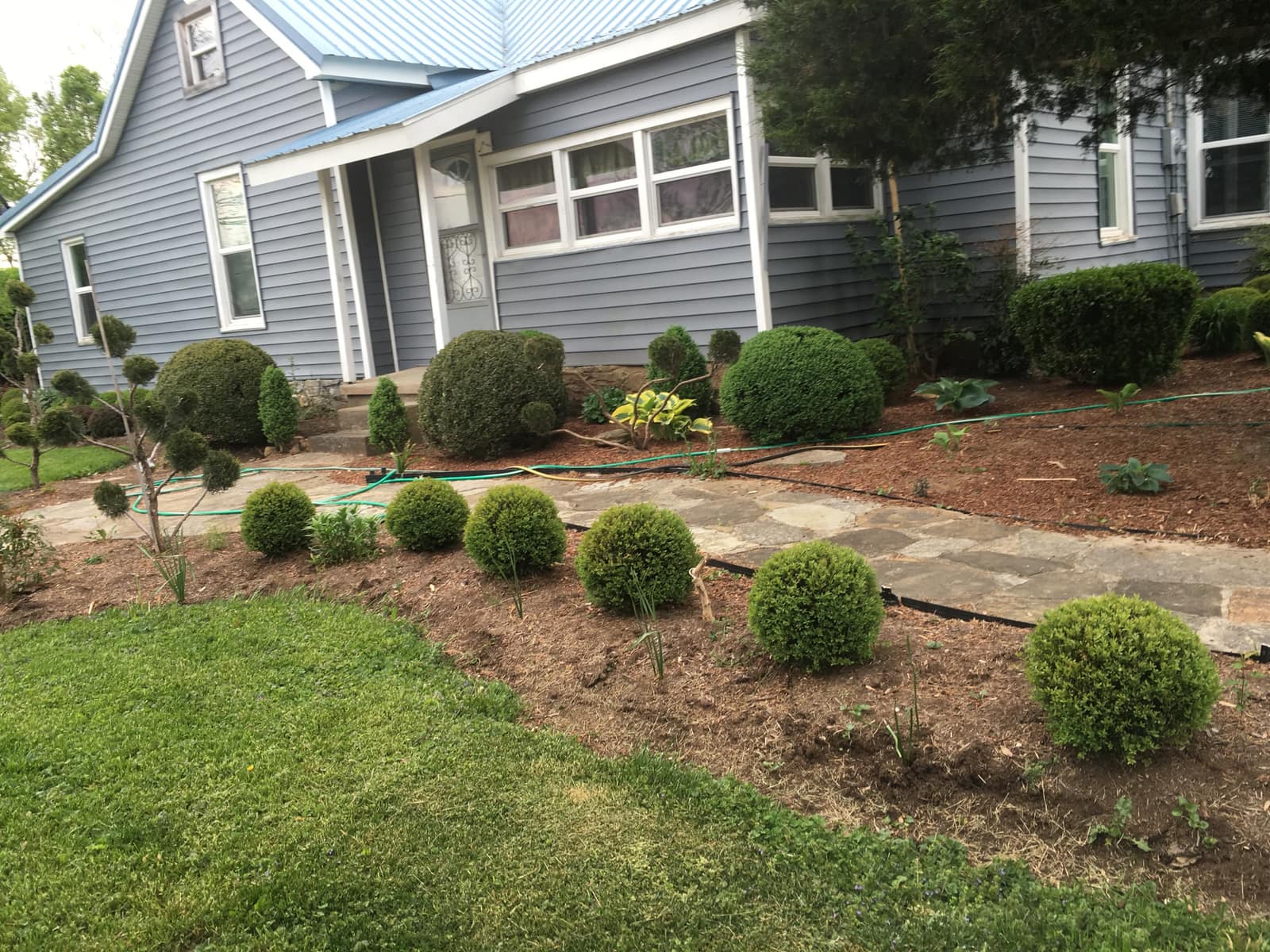
Seasonal Mulch Refresh
Best current mulch-first proof for refresh timing, finish quality, and visible before-and-after improvement.

Bed Cleanup & Mulch Reset
Support proof for cleanup and edge recovery when mulch alone is not enough to reset the bed.
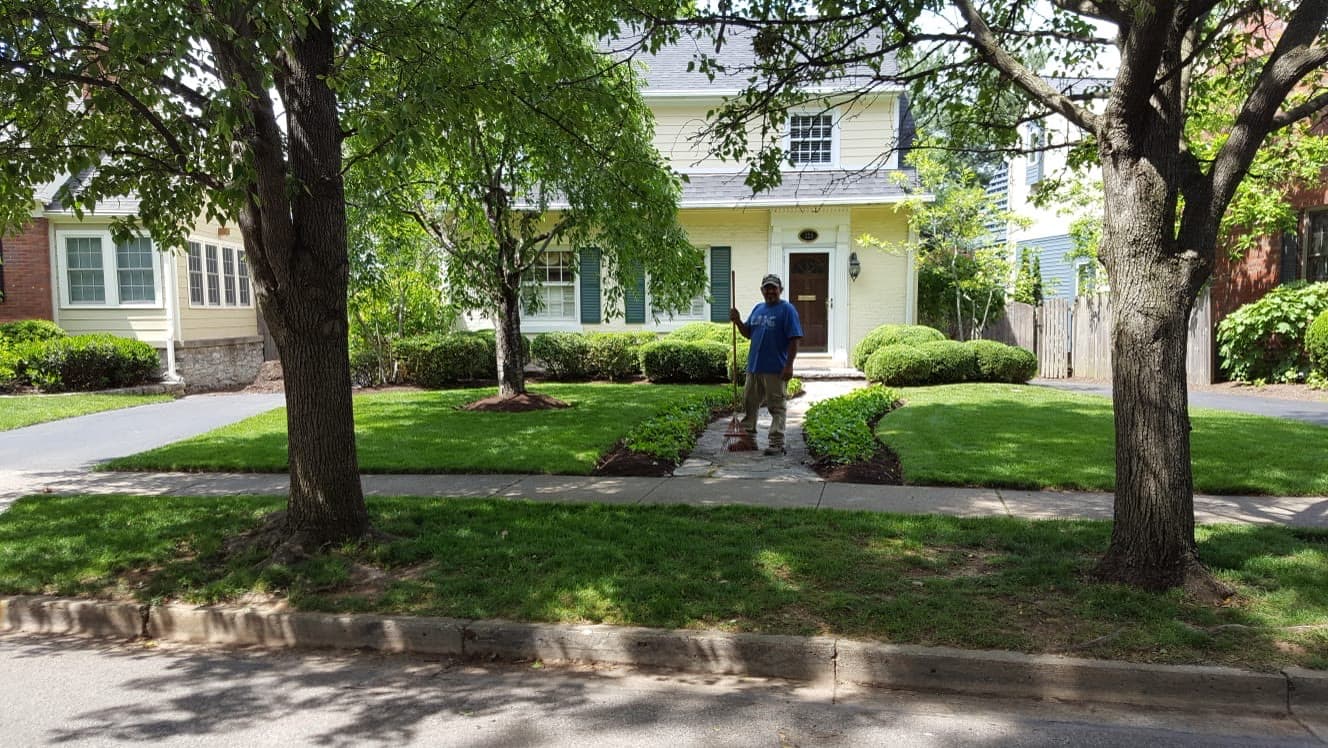
Maintenance Finish Standard
Support proof for cleanup and finish standards after a maintenance-led reset visit.
Continue With the Right Service Page Once the Timing Is Clear
Use the live routes below when the question moves from timing into actual service scope. The guide should answer the research question, then hand off.
Mulch Timing FAQs
These questions stay focused on timing, sequencing, and bed condition. The commercial mulch-service handoff still belongs to the live service page.
Mulch timing and sequencing
These questions help decide when to refresh mulch and when the bed needs prep work first.
How often should mulch be refreshed in Lexington?
Most beds benefit from a seasonal or annual refresh, but the right cadence depends on exposure, how quickly the old layer breaks down, and whether the bed still reads clean between visits.
Should edging happen before or after mulching?
Edging should generally happen before fresh mulch so the bed line reads sharper and the finished layer lands against a cleaner edge.
Do you remove old mulch first?
Sometimes. The guide should frame that as a bed-condition question rather than a universal rule because buildup, weeds, and cleanup needs vary from property to property.
Does pre-emergent go down before mulch?
Snapshot pre-emergent is applied under our applicator license when the scope calls for it. The educational handoff here is that pre-emergent timing usually makes the most sense before or with fresh mulch, not after weeds are already pushing through established buildup.
Is black mulch better than hardwood mulch?
Not automatically. The better choice depends on the look you want, how the bed is maintained, and how you want the finished result to read against the house and plantings.
When does pine straw make more sense than mulch?
Pine straw can make sense when the look, maintenance tradeoff, and bed conditions fit it better than mulch, but it should be treated as an alternative material choice rather than a universal upgrade.
Still have questions? We're happy to walk through your project.
Ready to stop researching timing and reset the bed the right way?
Request an estimate if your beds need mulch, cleanup, or a full seasonal reset, and we will point you to the right scope instead of forcing everything into a mulch-only answer.