
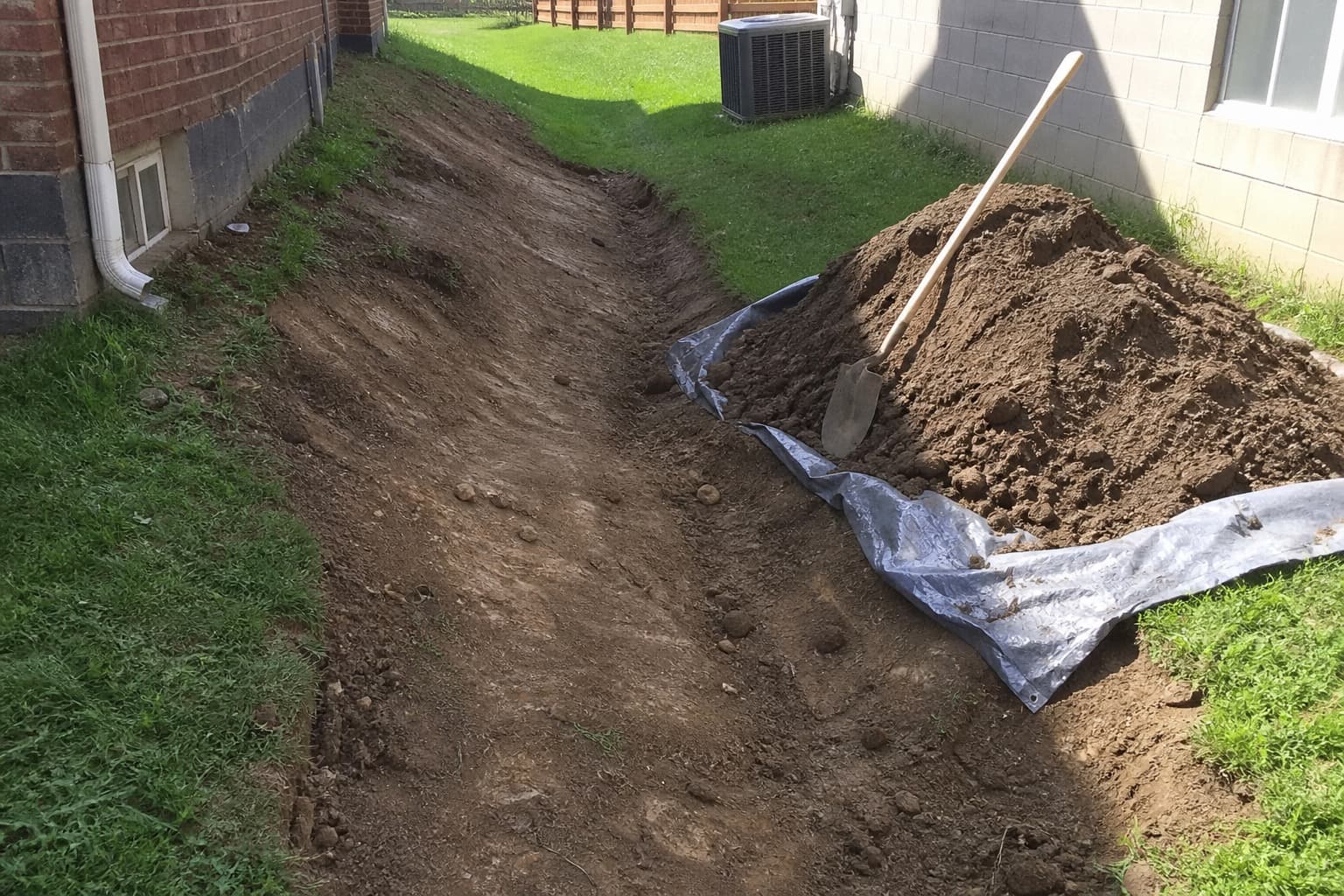
Yard Grading Cost in Lexington, KY and When Regrading Makes Sense
A homeowner guide to slope correction, fill, topsoil, equipment access, erosion control, drainage tie-ins, and when grading turns into sod, wall, or drainage work.
QUICK ANSWER
Grading cost is shaped by soil movement, access, drainage, and finish restoration.
A grading estimate should define what needs to be cut, filled, shaped, stabilized, and restored. If water has nowhere to go, grading should be coordinated with drainage instead of treated as a cosmetic lawn repair.
- Fill and topsoil can help shape the surface, but they do not replace a drainage outlet.
- Steeper slopes may need erosion control or a retaining wall instead of simple regrading.
- Sod, seed, mulch, or planting should be planned around the finished grade.
Use This Guide to Decide Whether the Yard Needs Shape, Soil, or Drainage Work
Grading can be a small prep step or the core of a bigger project. The cost changes when water, soil, slope, access, sod, or retaining walls enter the same scope.
Best for
Low spots, water moving toward the house, uneven lawn areas, soil settlement, and project prep before sod or hardscaping.
Primary handoff
Drainage solutions when the grading goal is water movement; sod or walls when the final surface or slope support drives the work.
Conversion cue
Request an estimate when the grade affects water, usability, foundation edges, or whether new sod will survive.
THE SHORT VERSION
- Grading is often the bridge between drainage, sod, patios, retaining walls, and planting.
- The estimate should separate earthwork, material, access, stabilization, and final surface repair.
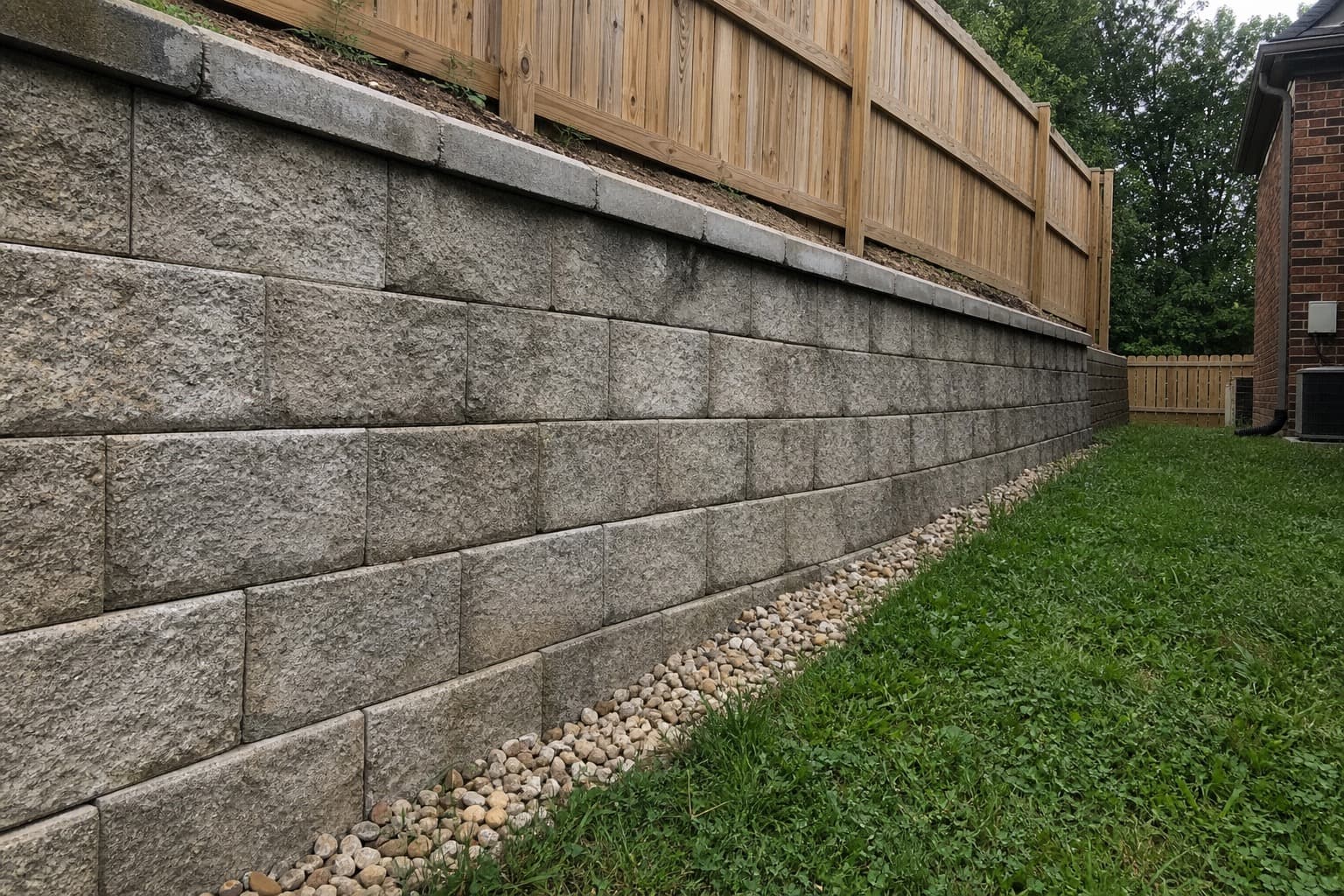
- A retaining wall may become the better answer when a slope cannot be held with grading alone.
COST DRIVERS
What changes yard grading cost
- Amount of soil movement
Cutting high spots, filling low areas, and reshaping slope change labor and material needs.
A small lawn depression is different from reworking a side yard.
- Fill and topsoil
Imported material adds delivery, spreading, compaction, and finish grading.
Topsoil belongs near the surface; fill belongs in deeper shaping.
- Drainage tie-ins
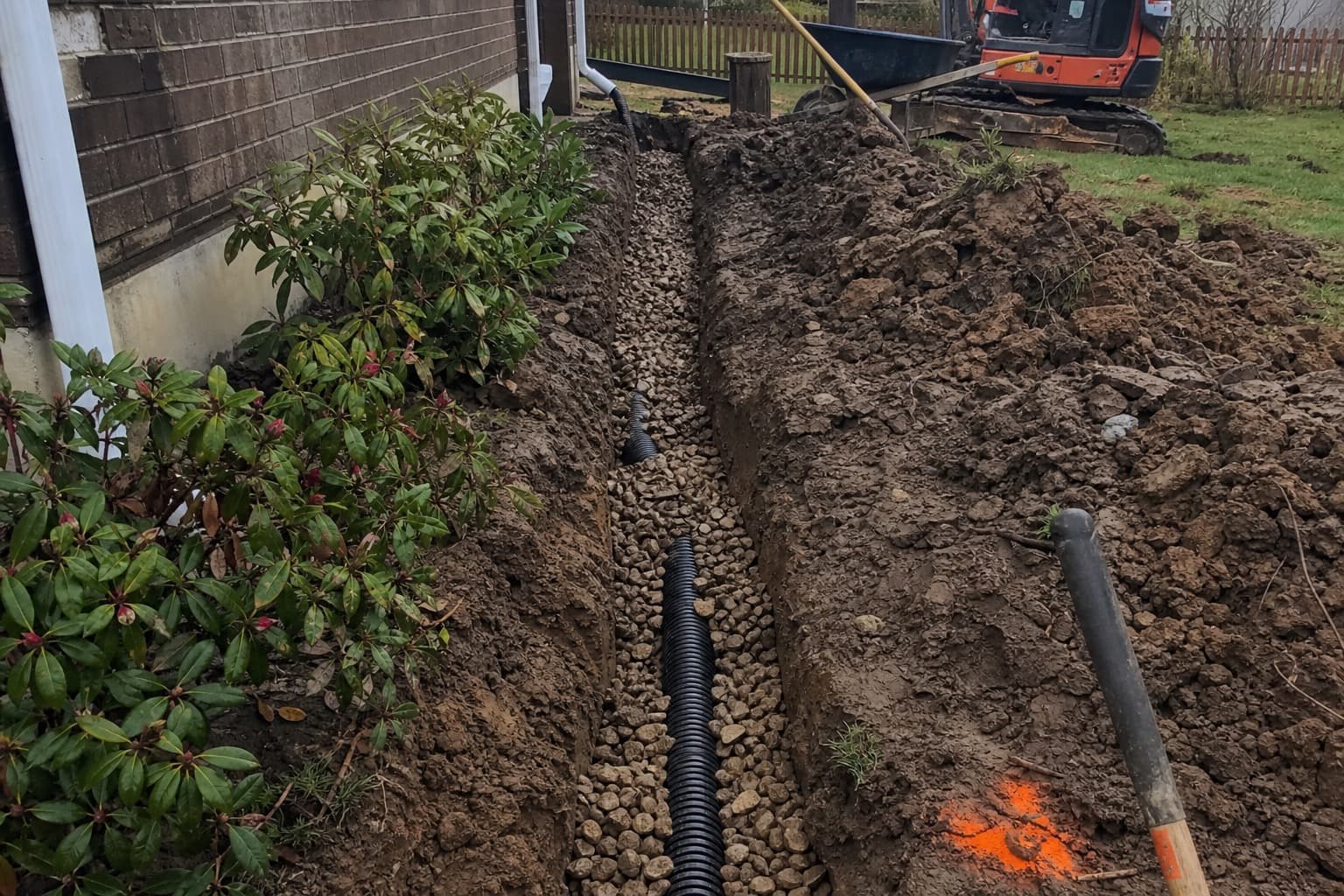
Water may need a swale, drain, downspout route, or outlet in addition to surface shaping.
A smooth grade still fails if water ends in the wrong place.
- Final surface
Seed, sod, mulch, gravel, or planting determines how the graded area is stabilized.
Bare soil on a slope is rarely a finished solution.
SCOPE
When grading becomes another service
If
The goal is to move water away from the house or a low area.
Then
Treat the project as drainage-led grading.
BEST NEXT STEP
Water movement needs slope and outlet planning.
See drainage serviceIf
The lawn is being reset after grade correction.
Then
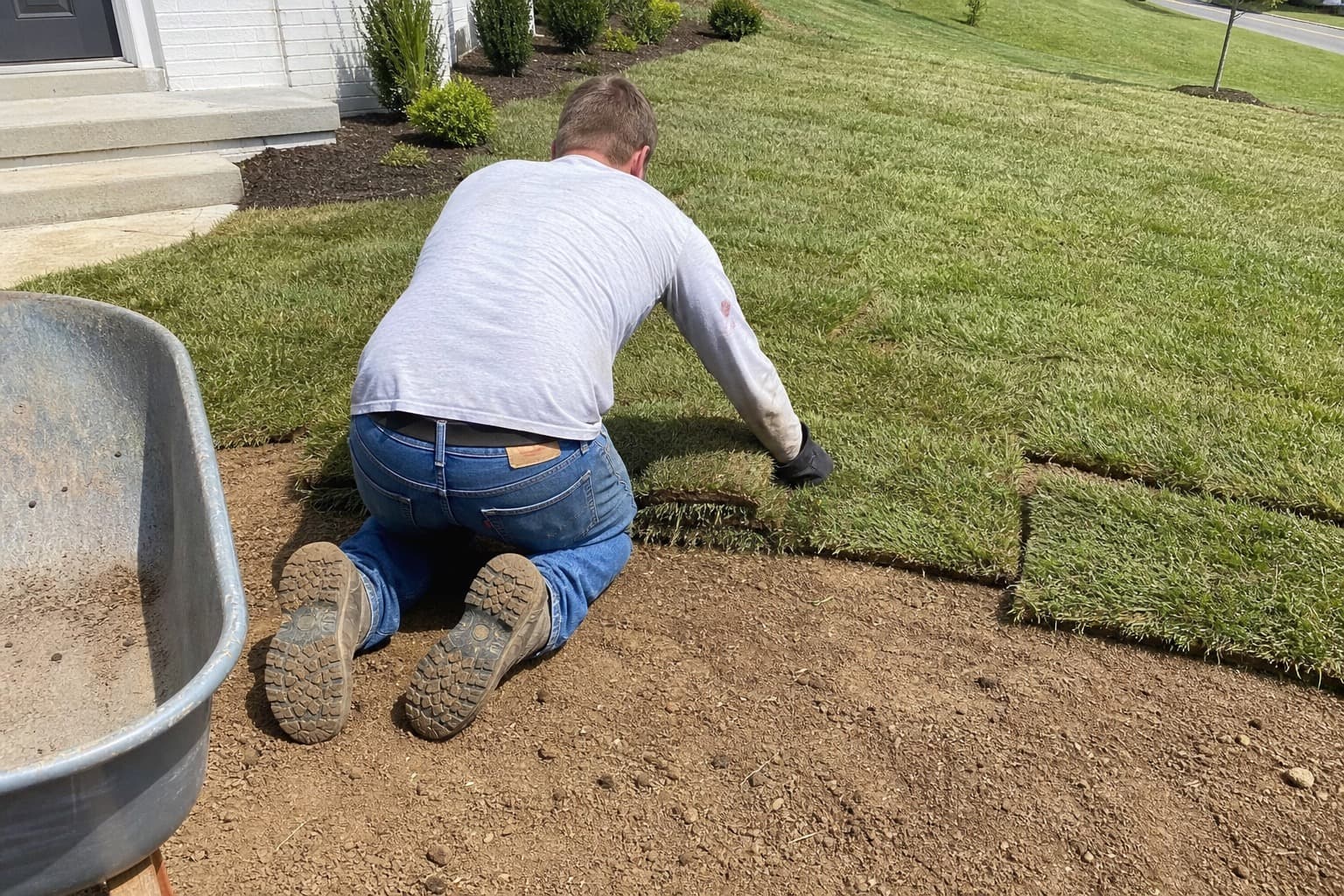
Plan the surface repair with the grade change.
RELATED SERVICE
Fresh sod works better after low spots and drainage are corrected.
See sod installationIf
The slope is too steep or soil needs to be held back.
Then
A retaining wall may be more appropriate than repeated grading.
RELATED SERVICE
Walls handle grade changes that soil alone cannot hold.
See retaining wallsREQUEST READY
What to send before a grading estimate
Photos from multiple angles
Show the slope, low spots, nearby structures, and where water travels after rain.
Problem after storms
Say whether the issue is standing water, erosion, foundation runoff, or lawn usability.
Access limits
Mention fences, gates, tight side yards, utilities, and whether equipment can reach the area.
Finished goal
Explain whether the area should become lawn, planting bed, patio prep, gravel, or a drainage corridor.
Related Proof for Grading-Led Scope
These service paths often decide the final grading estimate.
Connect Grading to the Right Next Step
Use these pages to keep grading from being scoped too narrowly.
Yard Grading Cost FAQs
Short answers for grading, drainage, and lawn restoration decisions.
Is grading the same as drainage?
No. Grading changes the surface shape. Drainage work plans where water goes, especially when surface slope alone is not enough.
Can grading fix water near the foundation?
Sometimes, but downspouts, hard surfaces, soil, and outlet options need to be inspected before assuming grading alone will solve it.
Should sod be included in grading?
Often yes. If the graded area should become lawn, the estimate should account for final surface restoration.
Still have questions? We're happy to walk through your project.
Ready to find out whether grading is the right fix?
Send slope photos, the water problem, access notes, and the finished surface you want. Orlando's can point the estimate toward grading, drainage, sod, or wall work.