
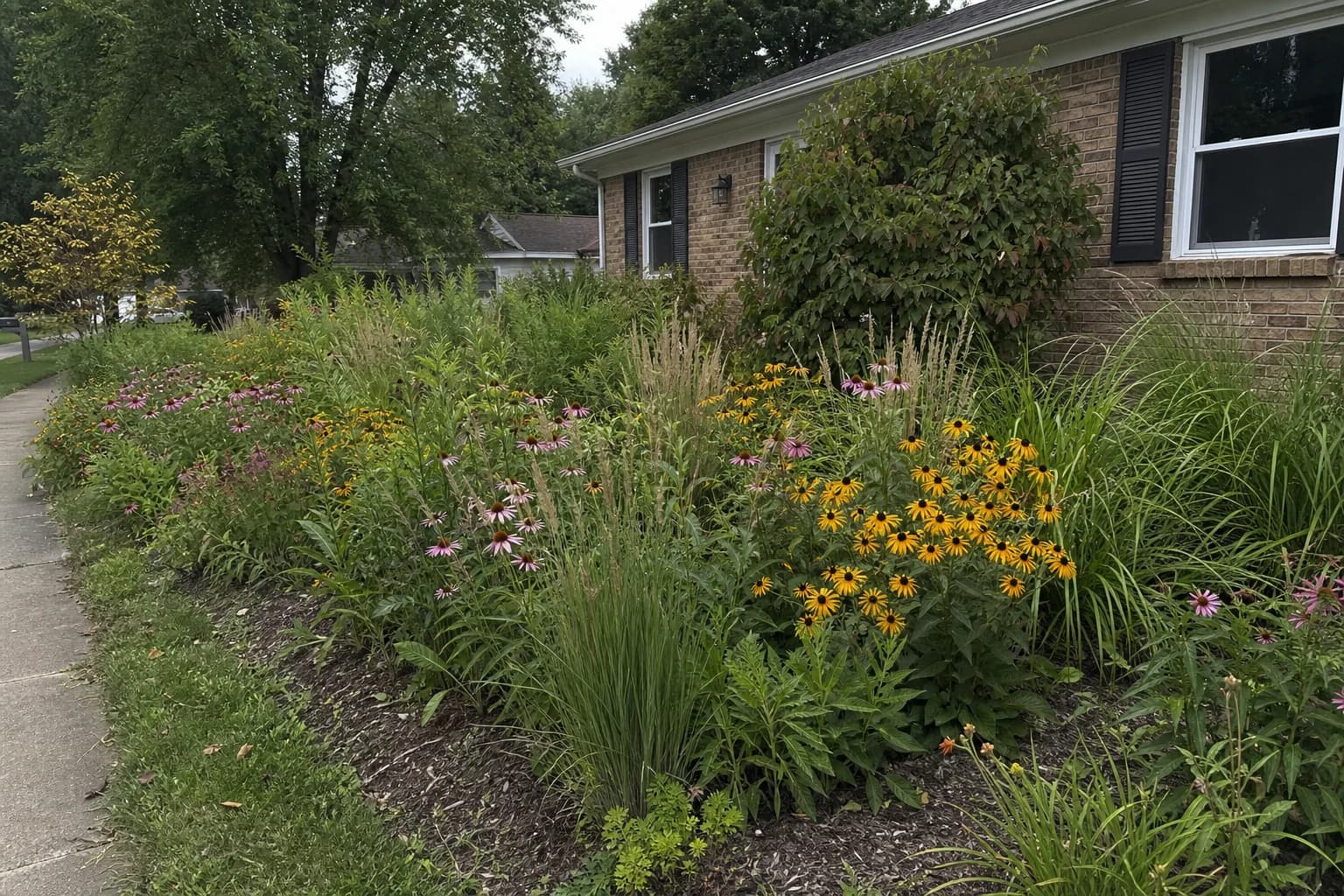
Rain Gardens and Wet-Area Landscaping for Lexington Homes
A guide to turning wet areas, roof runoff, and low spots into better-planned landscape features with overflow, plant selection, drainage, and design context.
Use This Guide When a Wet Area Could Become a Planned Feature
Rain gardens and wet-area planting can be useful when water can be slowed, captured, planted, and overflowed responsibly. They are not a substitute for every drainage problem.
Best for
Low spots, roof runoff areas, wet corners, and homeowners comparing planted drainage features against pipe or grading work.
Primary handoff
Landscape design when wet-area planting and drainage need to be planned together.
Conversion cue
Request an estimate when the feature needs sizing, overflow, plant selection, grading, or drainage coordination.
THE SHORT VERSION
- A rain garden needs a suitable location, plant palette, and overflow path.
- Wet-area plants must tolerate both wet and dry periods.
- If water threatens the house or has no safe overflow, drainage planning belongs before planting design.
OPTIONS
Rain garden, dry creek, grading, or pipe drainage?
Rain garden
Best when a shallow planted area can capture runoff and drain down without threatening structures.
- •Plant-led
- •Overflow required
- •Wet/dry plants
- •Design fit
Dry creek or stone swale
Best when visible surface flow needs a stable path through the landscape.
- •Runoff path
- •Stone channel
- •Erosion control
- •Outlet planning
Pipe or grading
Best when water must be moved away from structures, lawns, or high-use areas more directly.
- •Foundation concern
- •Subsurface water
- •Low spots
- •Sod restoration
HANDOFF
When a wet-area idea should become an estimate request
If
The wet area is away from the foundation and could become a planting feature.
Then
Use design to plan shape, plants, overflow, and maintenance.
BEST NEXT STEP
This is design-led wet-area landscaping.
See landscape designIf
Water is too close to the house or hardscape.
Then
Drainage should be scoped before a planted feature.
RELATED SERVICE
House-adjacent water needs stronger drainage planning.
See drainage serviceIf
The area needs wet-tolerant shrubs, perennials, or native plants.
Then
Use planting installation after the water plan is clear.
RELATED SERVICE
Planting owns the installed palette once drainage is settled.
See planting installationPLANNING
What a rain-garden estimate needs to know
Water source
Roof runoff, lawn runoff, hardscape runoff, or natural low spot.
Distance from structures
Wet-area features should not create foundation problems.
Overflow path
Heavy rain needs somewhere safe to go.
Sun and soil
Plants need to match wet/dry swings, light, clay, and maintenance expectations.
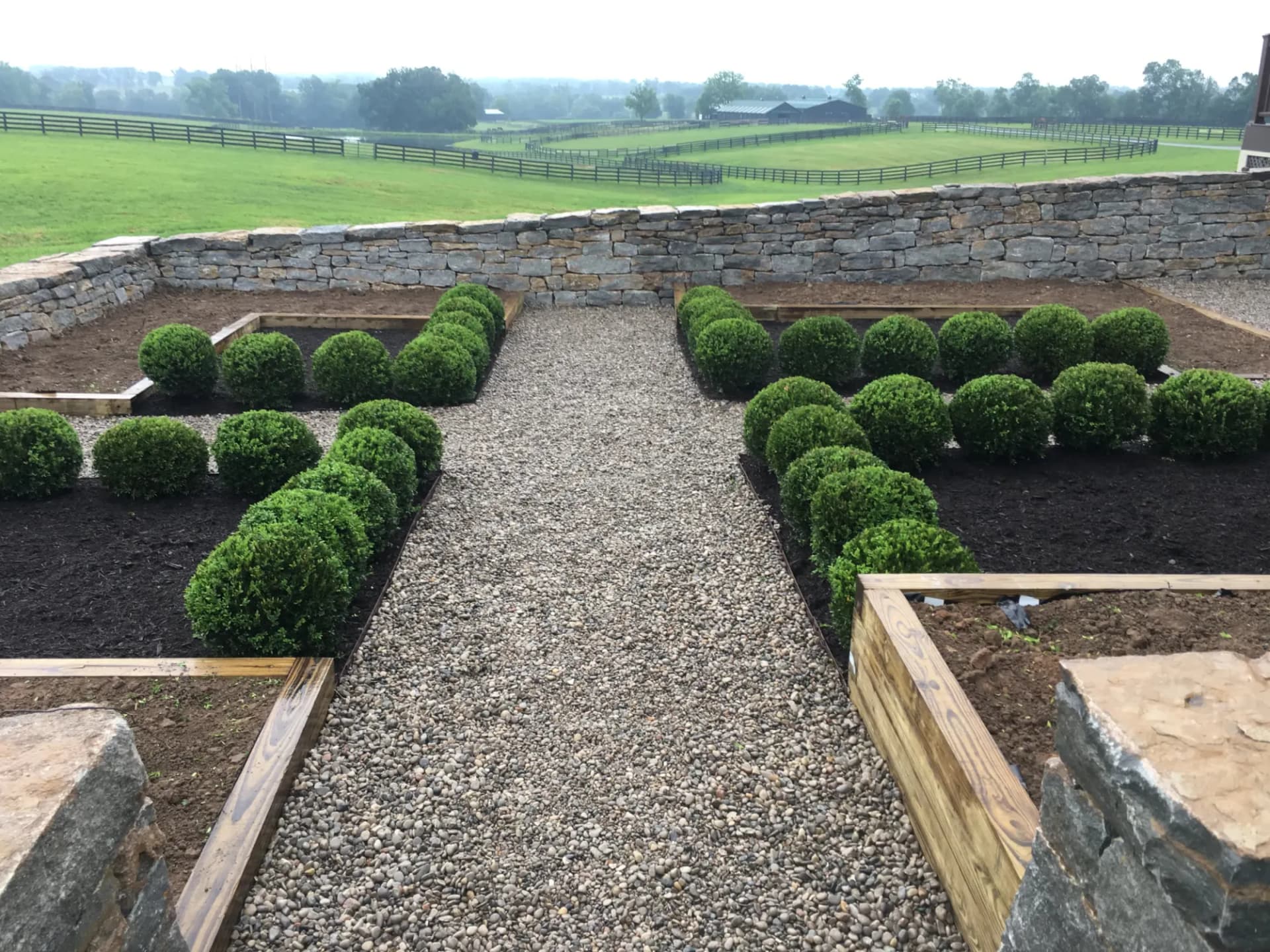
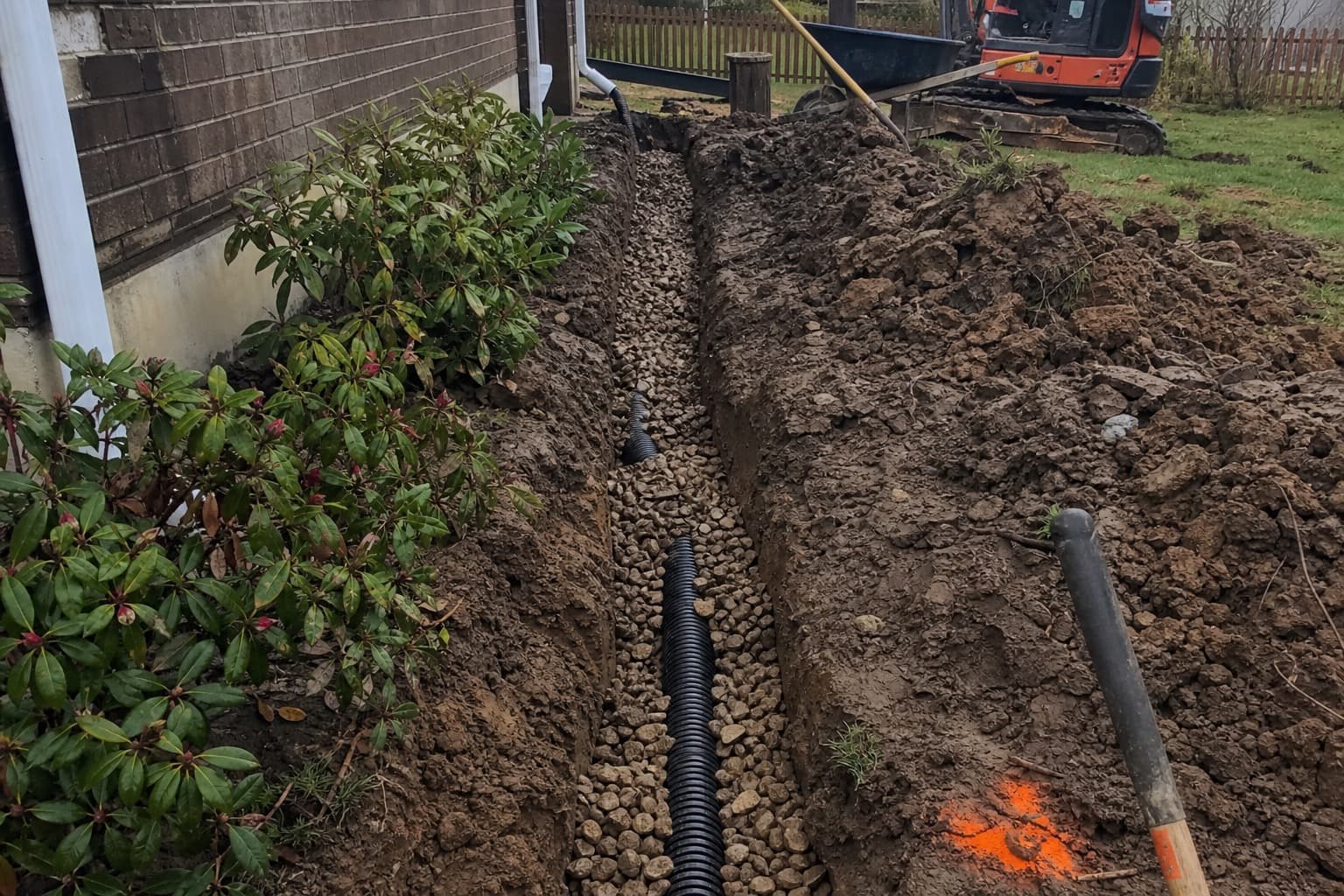
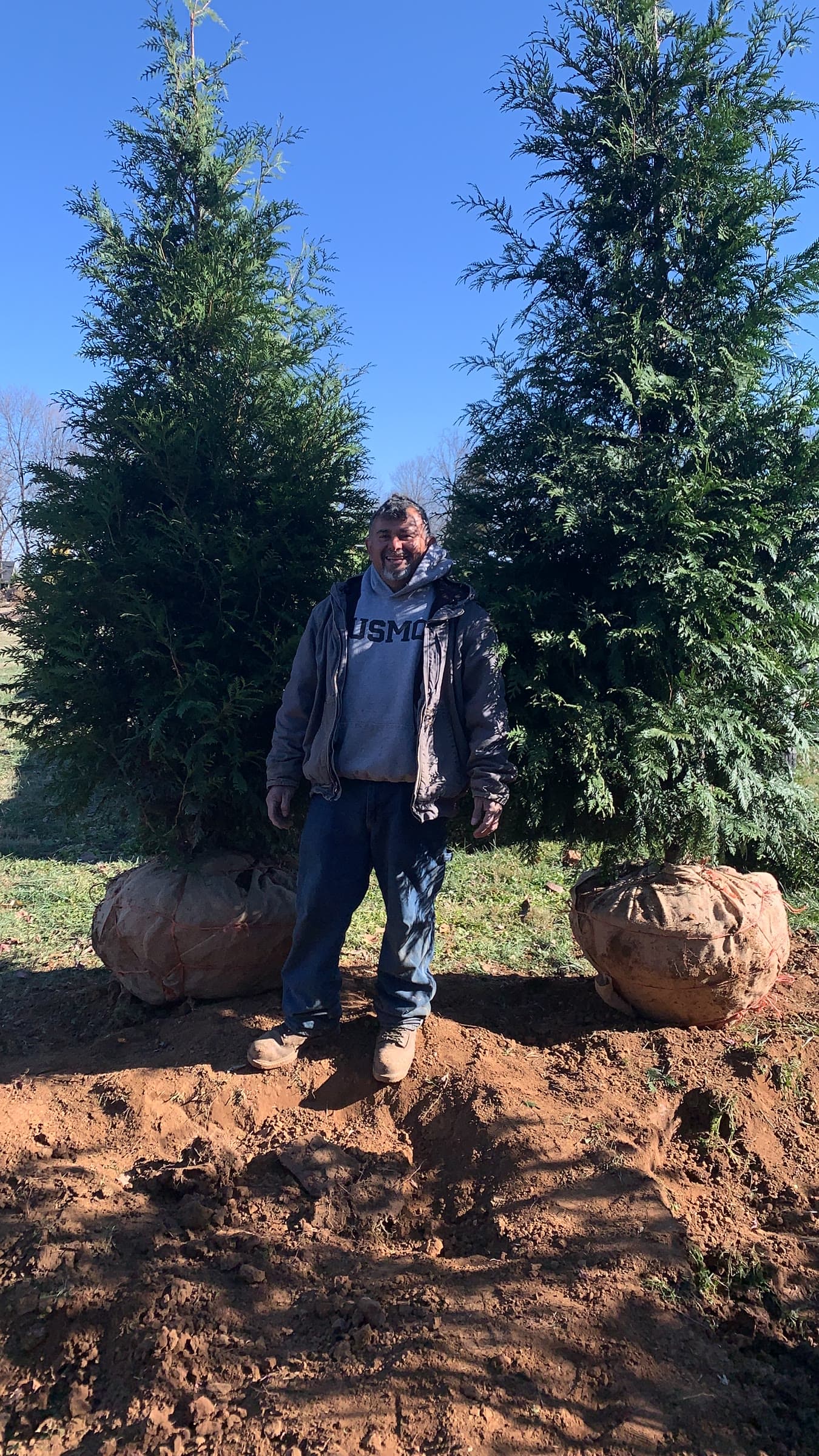
Related Proof for Wet-Area Landscaping
Use these services to decide whether the wet area is design-led, drainage-led, or planting-led.
Connect Wet-Area Ideas to Drainage and Planting
These guides help decide whether the project is a rain garden, drainage fix, or plant selection problem.
Rain Garden and Wet-Area FAQs
Short answers for homeowners considering planted drainage features.
Is a rain garden the same as a drainage fix?
Not always. A rain garden can manage certain runoff situations, but house-adjacent water, poor outlets, or subsurface water may need drainage work first.
Can wet-area plants stay wet all the time?
Many suitable plants tolerate alternating wet and dry conditions, but standing water that never drains needs diagnosis before planting.
When should I request an estimate?
Request an estimate when water source, sizing, overflow, grading, and plant selection need to be planned together.
Still have questions? We're happy to walk through your project.
Ready to turn a wet area into a planned feature?
Send photos after rain, where runoff starts, where it collects, distance from the house, and your preferred look. Orlando's can confirm whether design, drainage, or planting belongs first.