
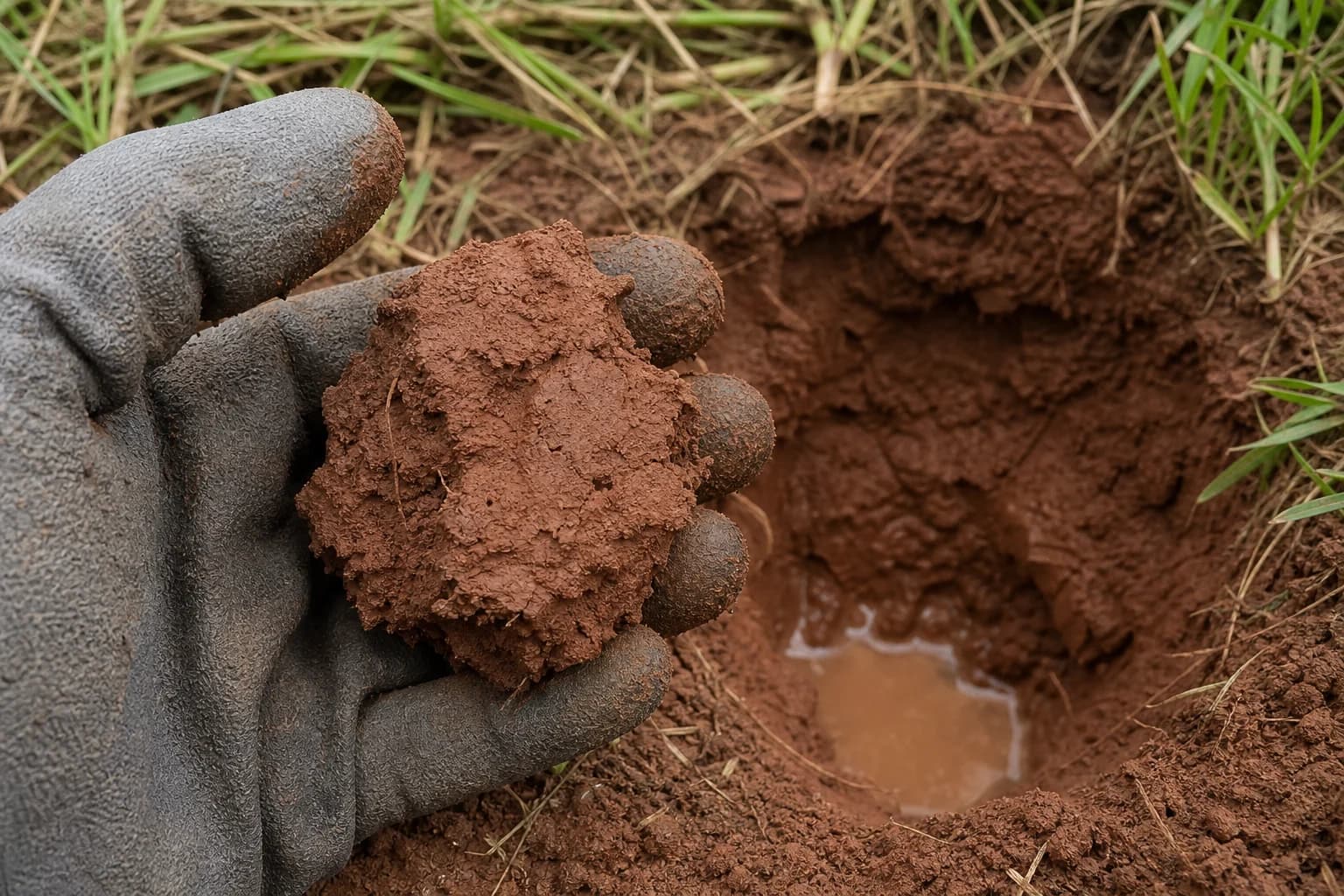
How to Fix Clay Soil in Lexington Landscapes
A practical guide to clay soil symptoms, soil structure, compost, topsoil, drainage, compaction, planting decisions, and when amendments are not enough.
QUICK ANSWER
Clay soil is usually improved through structure, drainage, and plant fit, not a quick sand fix.
Organic matter, soil testing, correct grading, and plant choices can improve performance. If the area stays wet, compacts hard, or keeps killing plants, the estimate should look beyond amendments and check drainage or design.
- Compost can improve workability, but it does not erase poor drainage.
- Topsoil helps only when it is used correctly in a broader grading or bed-prep plan.
- Plant selection should match clay, light, water, and maintenance reality.
Use This Guide to Stop Treating Clay Soil Like a Simple Material Problem
Clay soil problems are usually about structure, compaction, drainage, and plant fit. Adding the wrong material can make things worse, so the first step is diagnosing what the bed or lawn is actually doing.
Best for
Sticky, compacted, slow-draining, cracked, or hard-to-plant areas where normal bed prep keeps failing.
Primary handoff
Design, planting, or drainage depending on whether the issue is soil structure, plant fit, water movement, or grade.
Conversion cue
Request an estimate when clay issues affect drainage, plant survival, lawn establishment, or bed renovation.
THE SHORT VERSION
- The goal is better soil structure and better plant fit, not magically turning clay into another soil type.
- Wet clay points toward drainage and grading questions before planting.
- Repeated plant failure is a reason to request a site-specific plan instead of buying more amendments.
SYMPTOMS
Clay soil symptoms and what they usually mean
- Sticky and waterlogged
Water is not moving through or away from the area quickly enough.
Drainage or grading may matter more than amendments.
- Hard and cracked
Compaction and dry clay can make root growth and watering inconsistent.
Organic matter and correct prep can help, but plant choice still matters.
- Plants keep failing
The plant may not fit the light, water, root space, or soil condition.
Design and planting selection should happen together.
- Seed or sod struggles
Poor soil contact, compaction, or drainage can keep turf from establishing.
Lawn work may need grading or soil prep first.
HANDOFF
When clay soil becomes drainage, design, or planting work
If
The clay area stays wet after storms.
Then
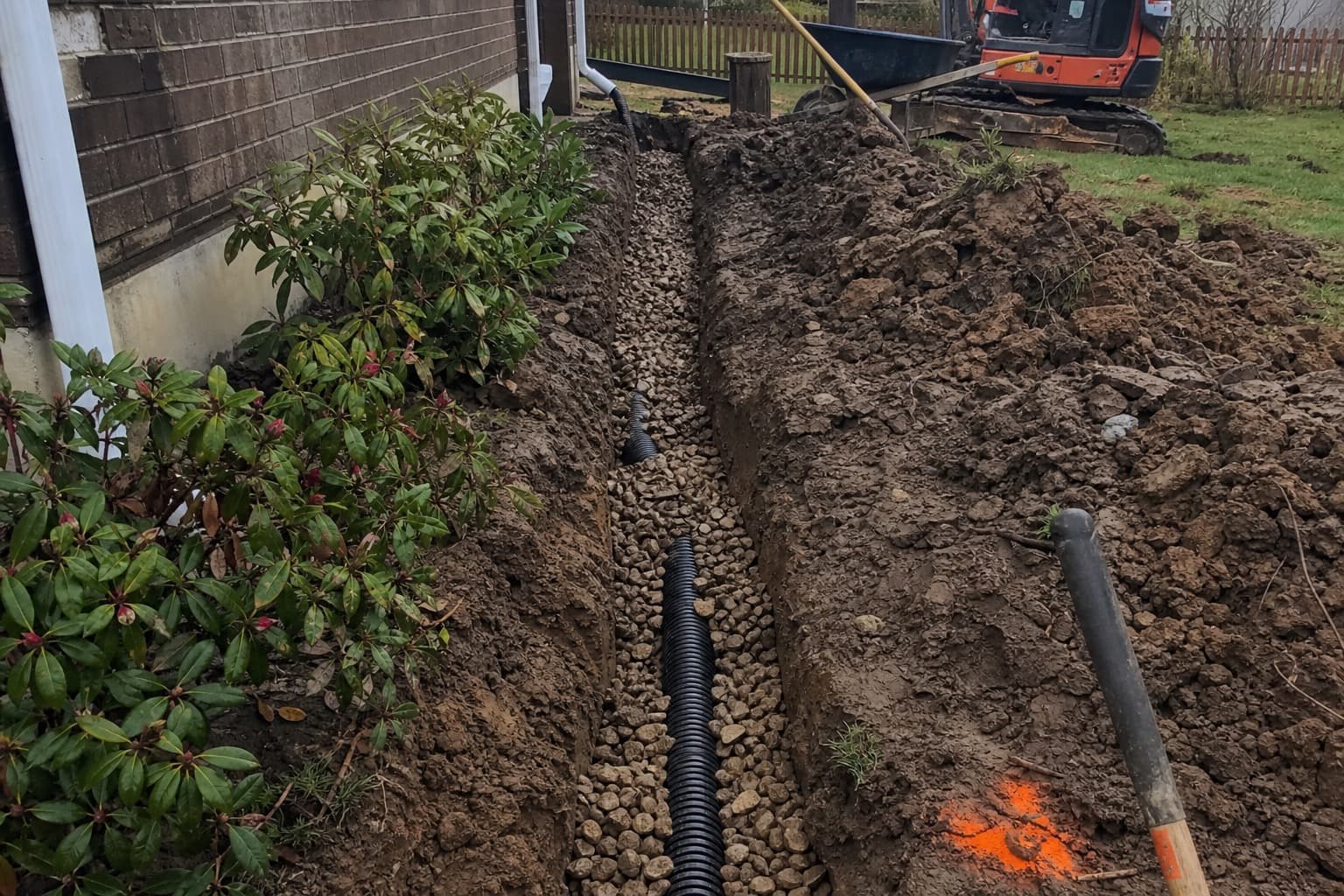
Treat it as a drainage or grading question before planting.
BEST NEXT STEP
Water movement decides whether soil improvement will hold.
See drainage serviceIf
The bed needs a new plant palette for clay, sun, shade, or lower maintenance.
Then
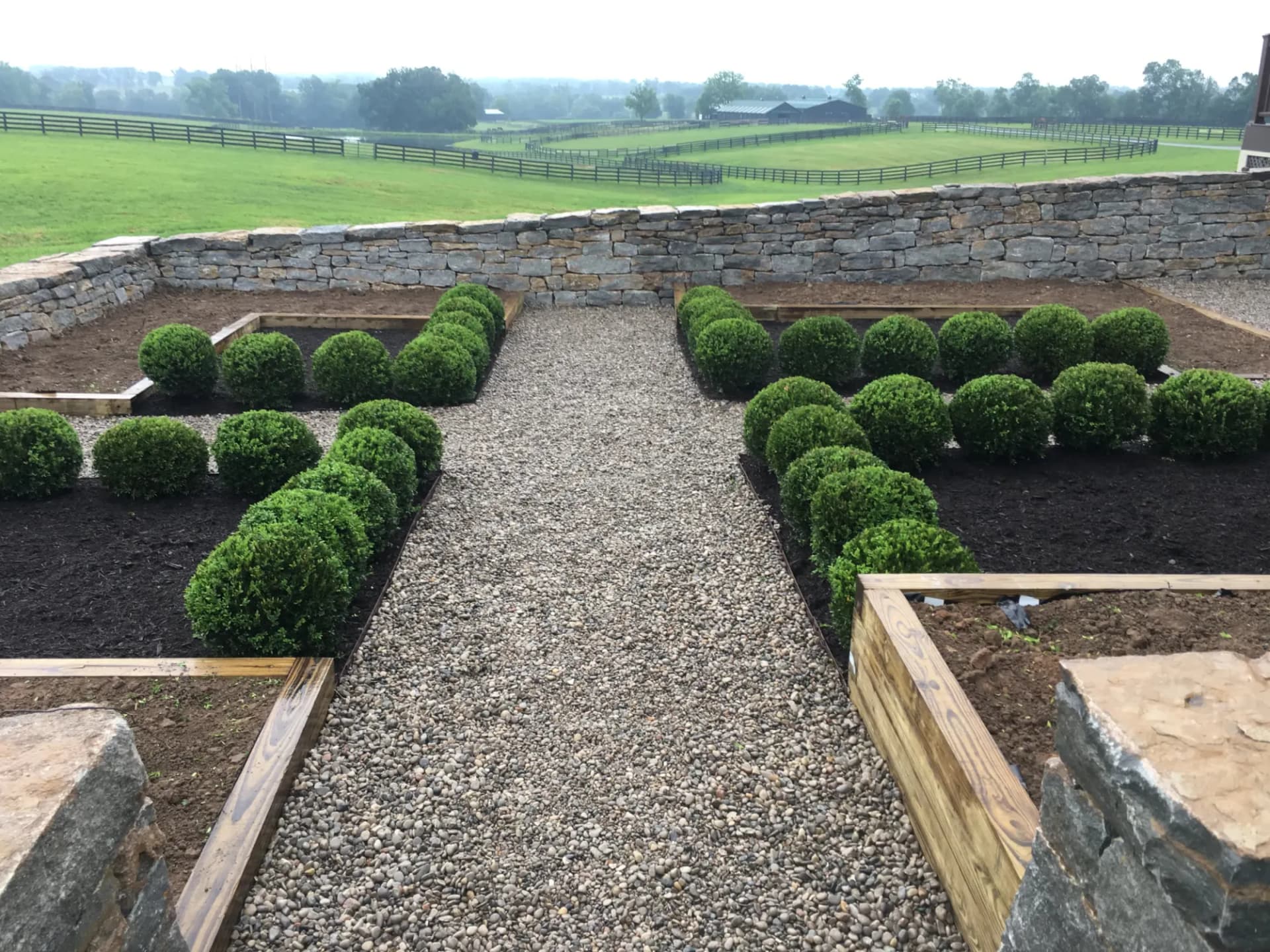
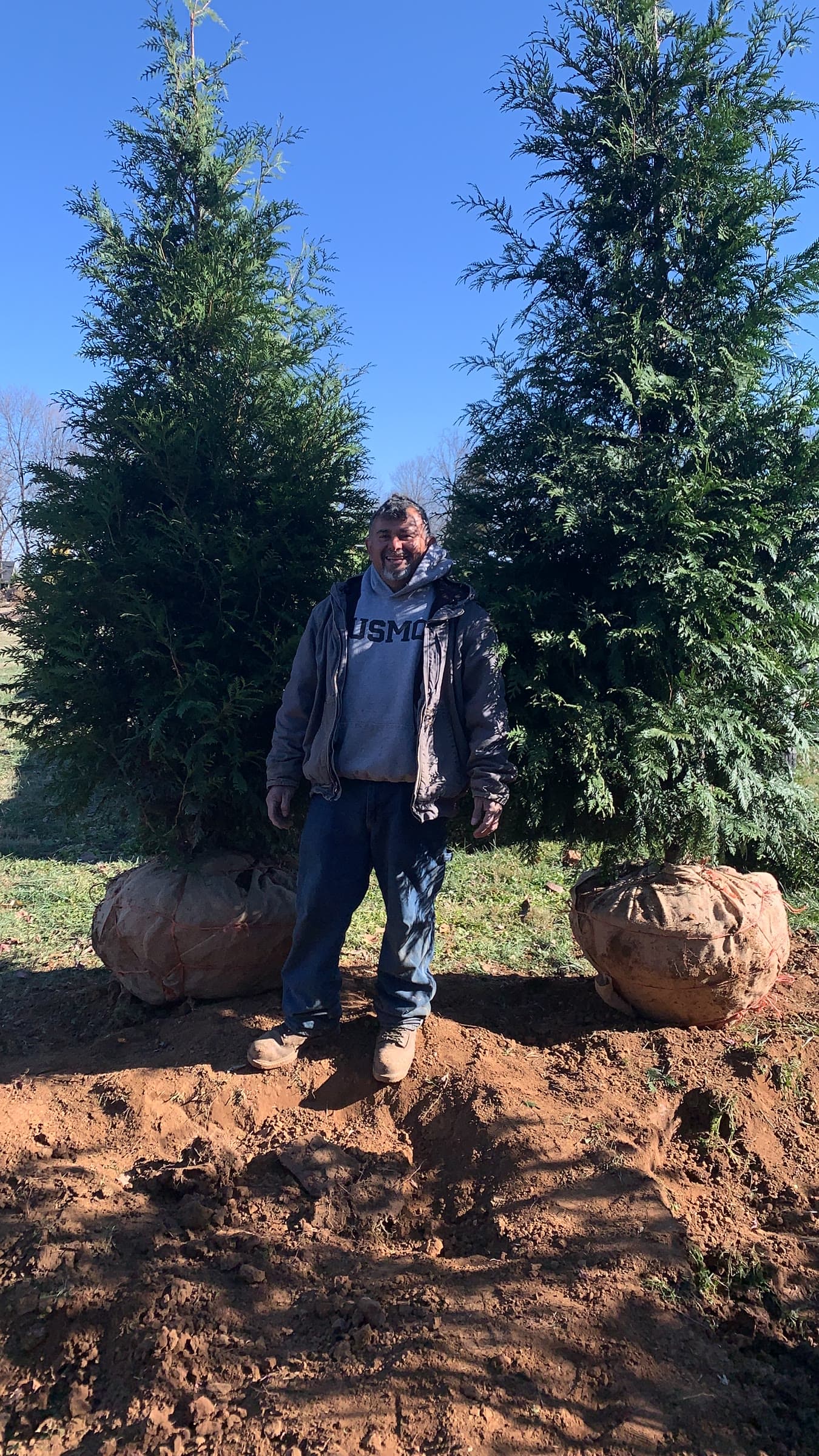
Use design or planting installation to choose plants that fit the site.
RELATED SERVICE
Plant fit is the long-term fix.
See planting installationIf
The front yard needs bed shapes, soil prep, and plant choices planned together.
Then
Use landscape design before ordering plants.
RELATED SERVICE
Clay soil decisions often affect the whole layout.
See landscape designRelated Proof for Clay-Soil Decisions
These service paths help turn soil frustration into the right scope.
Connect Clay Soil to Planting and Drainage Decisions
These guides keep soil advice tied to the project outcome.
Clay Soil FAQs
Short answers for clay soil, drainage, and planting decisions.
Can I fix clay soil by adding sand?
Do not assume sand is the fix. Clay problems are usually about structure, compaction, organic matter, drainage, and plant fit.
Does compost help clay soil?
Compost can improve workability and structure, but it will not solve a site that stays wet because of grade or drainage.
When should I request help for clay soil?
Request help when plants keep failing, the area stays wet, the lawn will not establish, or the bed needs soil prep and plant selection together.
Still have questions? We're happy to walk through your project.
Ready to stop guessing at clay-soil fixes?
Send photos, light exposure, wetness after rain, and what has failed before. Orlando's can point the scope toward drainage, planting, design, or bed prep.