
Low-Maintenance Native Plants for Lexington Front Yards
A plant-selection guide for Lexington homeowners who want front-yard beds that need less ongoing work — using native species adapted to Kentucky clay and zone 6b conditions that genuinely perform with fewer inputs after establishment.
Use This Guide to Find Native Plants That Actually Perform With Less Ongoing Work
Kentucky-native plants evolved in the same clay soil and seasonal conditions that challenge most nursery cultivars. This guide covers native shrubs, perennials, and grasses that establish well and need less supplemental care — with honest guardrails on what low-maintenance actually requires.
Best for
Homeowners exploring native and lower-maintenance plant choices for front-yard beds
Primary handoff
Planting installation first, then design when the layout needs more planning
Guardrail
Stays on native and low-care options only — broader foundation shrub selection stays with the existing guide
PROMISE
What 'low-maintenance' actually means and the honest trade-offs
"Low-maintenance" is one of the most misunderstood promises in landscaping. No plant is zero-maintenance. But native species adapted to Central Kentucky clay and seasonal patterns genuinely need less supplemental watering, less soil amendment, and fewer chemical inputs than most nursery cultivars. The honest question is not "no work" but "less work for the same visual result."
Even native, low-maintenance plants need bed prep, mulch, first-year watering, and occasional cleanup. What changes after establishment is the ongoing demand. A well-chosen native plant adapted to the site stops requiring supplemental irrigation once its root system is established — typically after one or two full growing seasons. A non-adapted nursery plant may need watering indefinitely just to survive.
Lexington's clay soil is actually an advantage for native plants, not a liability. Clay holds moisture better than sandy soils, and native species evolved in it. They do not need the soil amendment that non-adapted plants require. That is one of the real maintenance savings — less prep work, less amendment, and less ongoing effort to keep the plant healthy in the conditions it already prefers.
NATIVE SHRUBS
Kentucky-native shrubs that establish and hold structure without constant care
Winterberry holly is a Kentucky native that provides year-round structure and exceptional late-fall to winter color from its bright red berries. It prefers moist conditions and tolerates the wet clay areas that other shrubs struggle in. Note that both male and female plants are needed for berry production — a detail worth discussing with the installer before the plant list is finalized.
Virginia sweetspire has reliable fall color and handles part shade to full sun, making it adaptable to a range of front-yard conditions. It spreads gradually over time, which can be an advantage for filling bed space or a consideration if the bed has defined boundaries. Spicebush tolerates shade better than most shrubs and provides early spring flower interest plus fall color and berry production. Ninebark offers multi-season interest and is among the most adaptable natives for urban and suburban conditions — it handles clay, seasonal drought, and a range of light levels.
Aromatic sumac is worth knowing about for challenging sites: slope edges, hot south-facing exposures, or areas where other shrubs have failed. It spreads aggressively through suckers, which limits where it fits, but in the right context it requires almost no care once established.
NATIVE PERENNIALS
Native perennials for front-yard beds that mostly take care of themselves
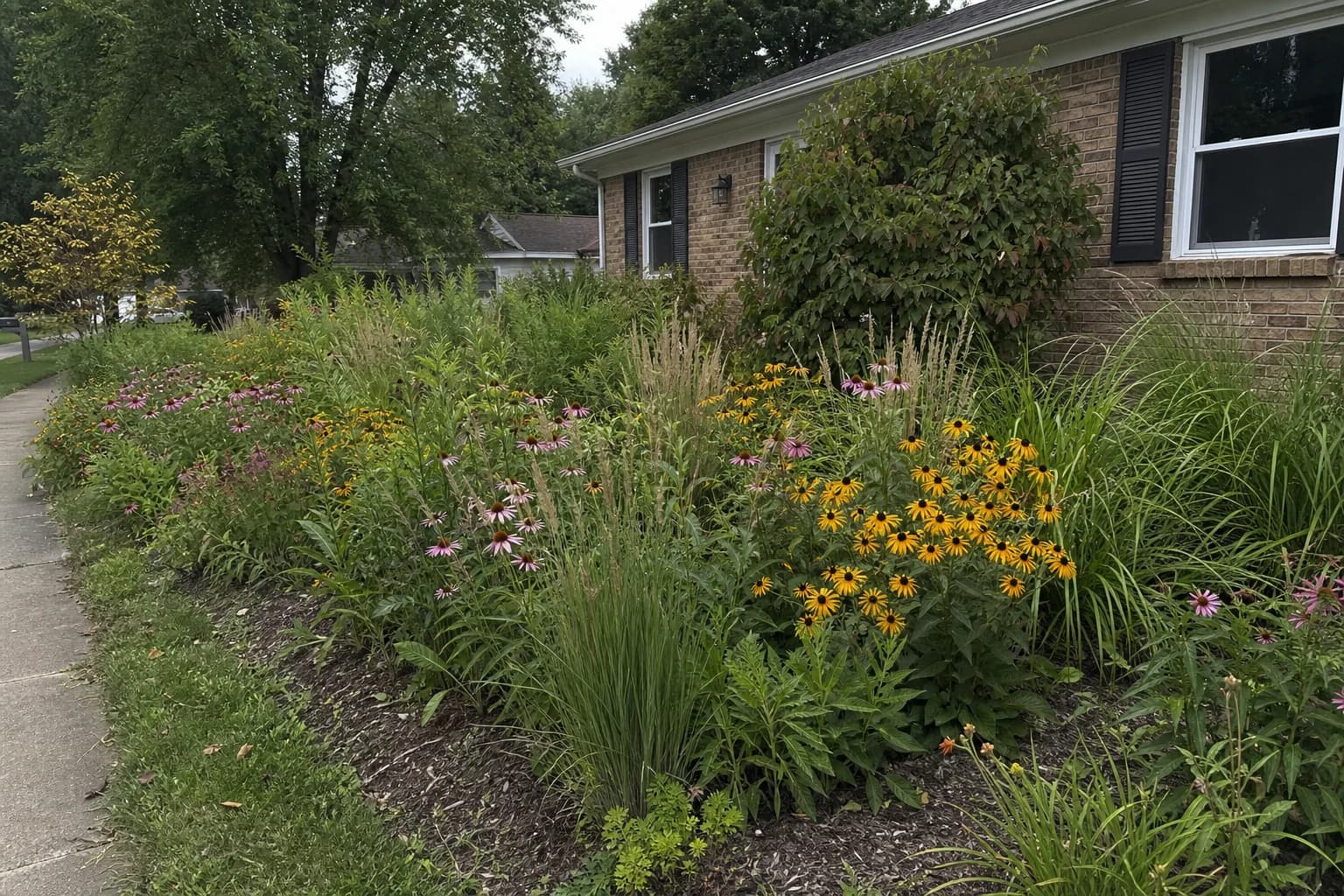
Purple coneflower and black-eyed susan are the most commonly available Kentucky natives for residential beds, and they earn their place. Both handle full sun, tolerate clay, and come back reliably year after year with minimal intervention. They also provide late-summer color when most spring-blooming plants have finished.
Wild geranium is an underused native that handles part shade well — making it a good fit for east-facing beds or spots under partial tree canopy. It goes dormant in midsummer, which is a trade-off worth knowing before the bed plan is finalized. Bee balm fits sunny to lightly shaded spots and provides mid-summer color, but it spreads aggressively and benefits from division every few years to stay tidy in a front-yard context.
Blazing star provides vertical structure in a mostly low and mounding native bed — it is one of the few native perennials with a strong upright form. All of these are front-yard appropriate choices when planted with correct spacing and intent. This guide is not a wildflower restoration list. It is a practical shortlist for homeowners who want lower-maintenance beds that still read as finished and intentional.
NATIVE GRASSES
Ornamental native grasses for front-yard structure and texture
Switchgrass is the most versatile native grass for Lexington front yards. It provides upright structure through the growing season, moves well in summer breezes, and holds winter interest after the season ends. Several compact cultivars are available that stay manageable in a residential bed context.
Little bluestem is a fine-textured native grass with notable fall color — the foliage turns orange-red as temperatures drop, providing seasonal interest long after most perennials have finished. It tolerates dry conditions better than switchgrass and handles the hot south-facing exposures that challenge other grasses. Side-oats grama is worth knowing for dry, sunny spots where other grasses struggle — it needs less water than most ornamental grasses once established.
Native grasses require one significant annual maintenance task: cutting back to near the ground in late winter or very early spring before new growth emerges. That annual cutback is the primary labor requirement. For the rest of the growing season they ask for very little.
HONEST LIMITS
What 'native and low-maintenance' does NOT solve
Native plants reduce watering and chemical inputs after establishment — not all bed maintenance. The bed still needs mulch applied regularly, edge definition to stay tidy against lawn or hardscape, and occasional cleanup after severe weather or at the end of the season. Low-maintenance means less work, not no work.
Professional installation with correct spacing and bed prep is the single biggest factor in how low-maintenance the bed actually becomes. Plants installed with proper spacing will not need aggressive intervention as they mature. Plants crammed in to fill a bed quickly will require constant management. The setup determines the long-term care demand far more than the species selection alone.
BOUNDARY
When the front yard needs design help beyond a plant list
A plant list is a starting point. When the front yard has multiple beds, varies in light or moisture conditions across sections, or needs to be planned with the whole property in mind, the layout question comes before the plant selection question.
Landscape design helps when the work is bigger than filling a single bed — when bed shape, plant groupings, transitions to lawn or hardscape, or overall curb appeal are part of what needs to be figured out. That is the natural handoff when a native plant conversation becomes a front-yard redesign.
Current Proof for Foundation Planting and Bed Installation
These projects show current planting proof while native-specific project stories are added over time.
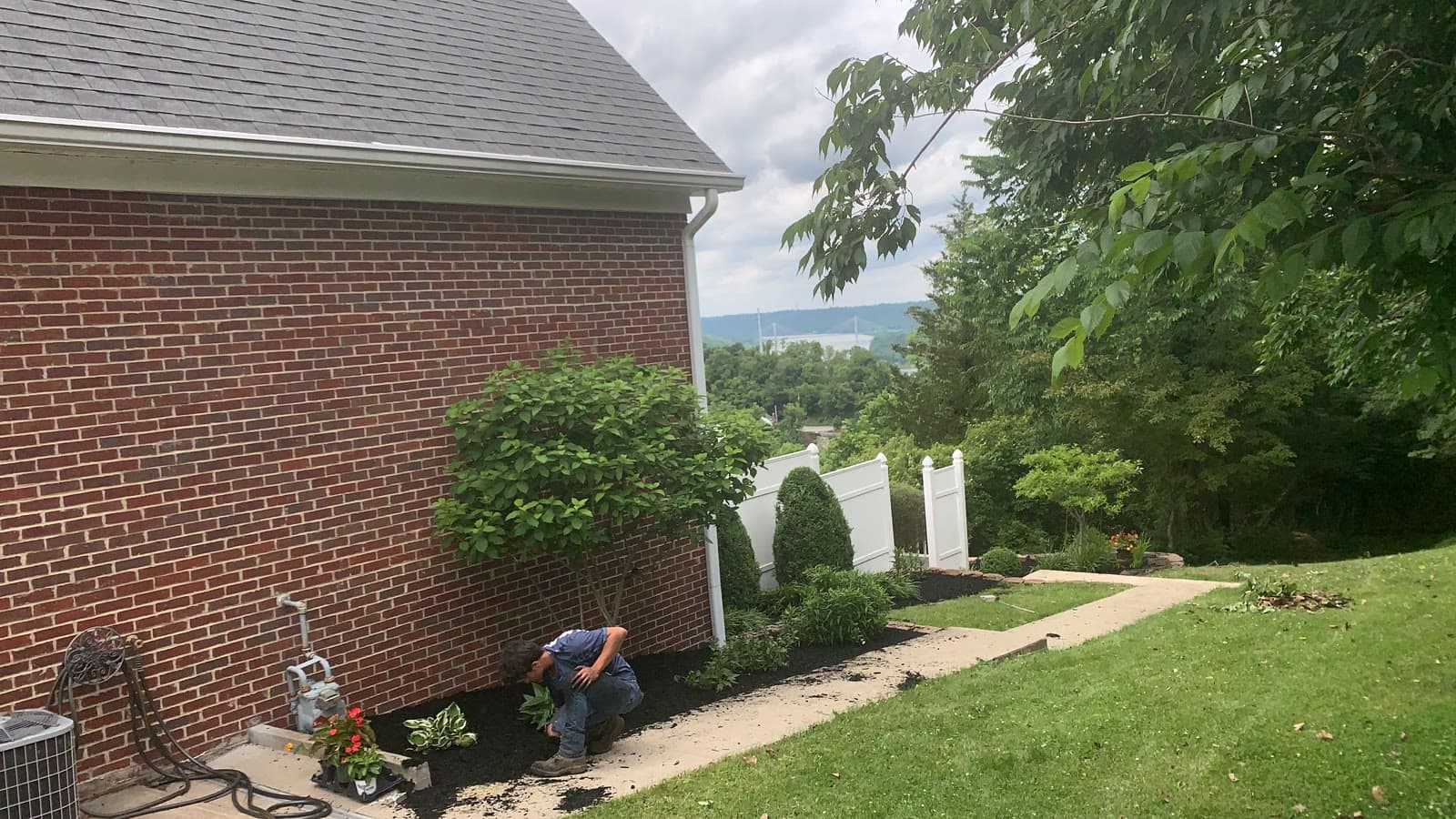
Maysville Mulch & Planting Refresh
Best current proof for careful plant selection, spacing, and bed installation that sets the property up for lower long-term maintenance.
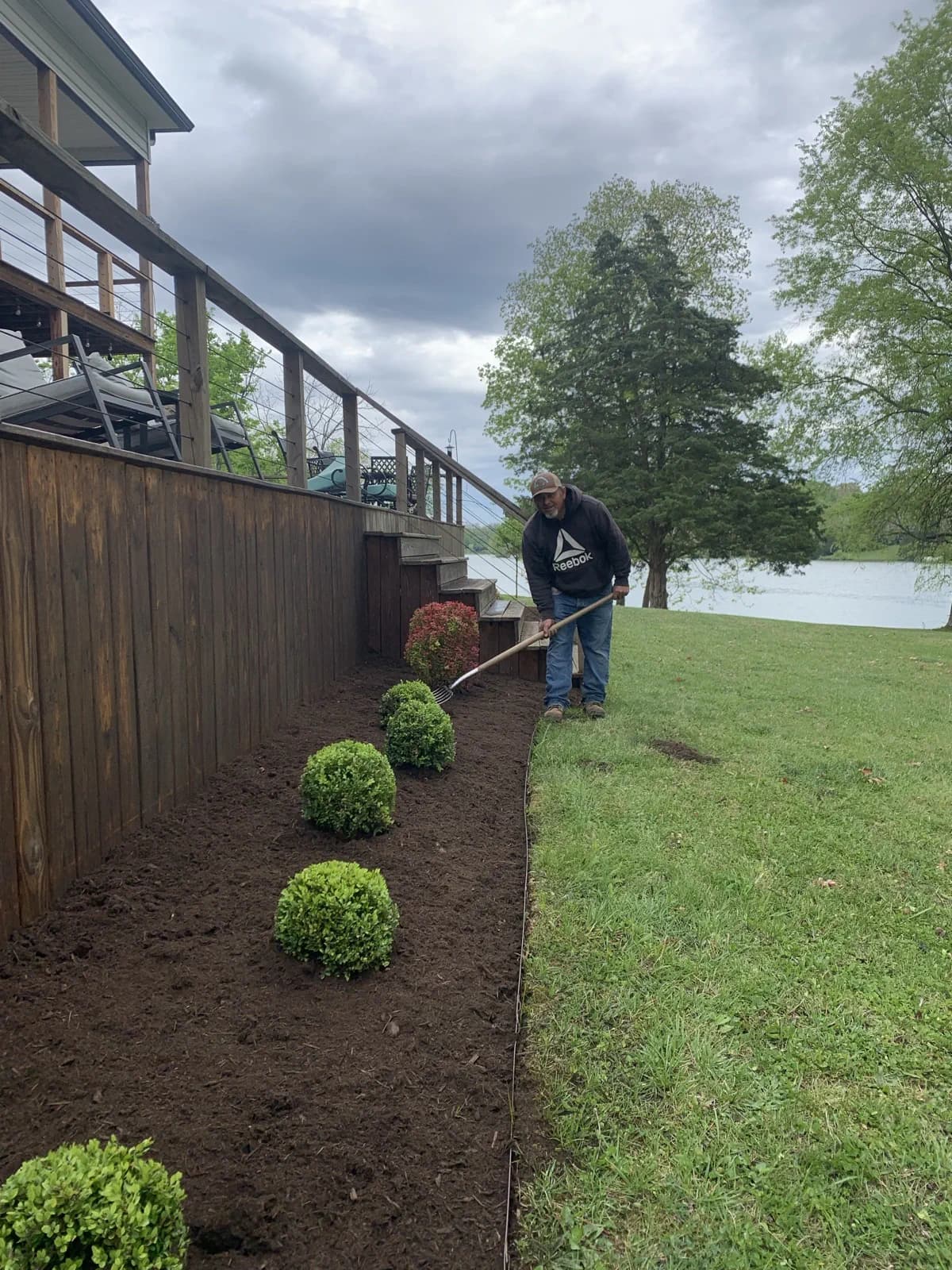
Carlisle Full Landscape Renovation
Support proof for grouped shrub and planting decisions in a front-yard context.
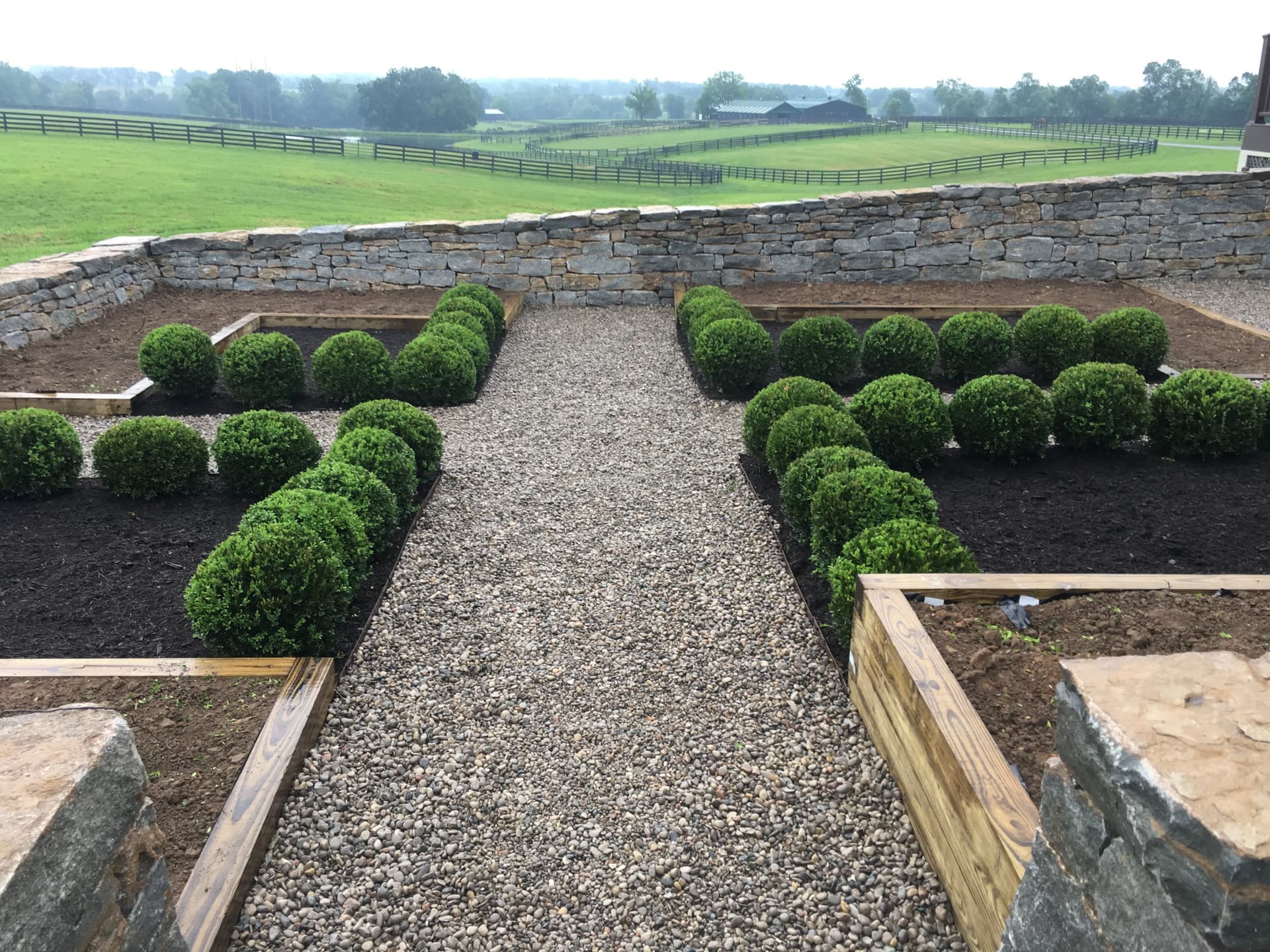
Residential Bed Renovation
Contextual support for broader bed replanting when the current plants are not performing.
Move From Native Plant Research Into the Right Service Page
Use the service and research pages below when the plant shortlist is clearer and the project is ready to move forward.
Native and Low-Maintenance Planting FAQs
These questions help set realistic expectations for native plant performance in Lexington front yards.
Native and low-maintenance planting
The goal is honest expectations, not a zero-maintenance promise.
Are native plants really lower maintenance?
They can be, especially after establishment. Native plants adapted to Kentucky clay and seasonal patterns need less supplemental watering and fewer chemical inputs. But they still need bed prep, mulch, and occasional cleanup.
Do native plants look less polished than traditional foundation plantings?
Not necessarily. The finished look depends on plant selection, spacing, and bed structure. Native plantings can look naturalistic or more formal depending on how they are designed and maintained.
Can I mix native and non-native plants?
Yes. Many beds combine native and well-adapted non-native plants. The key is matching maintenance expectations, light conditions, and spacing for the whole bed.
Do native plants need mulch?
Yes. Mulch still helps with moisture, weed suppression, and temperature regulation even with native plantings. It is part of the maintenance reality for any bed.
Still have questions? We're happy to walk through your project.
Ready to build a lower-maintenance front yard with the right native plants?
Request an estimate for plant selection, bed prep, and professional installation.