
How to Plant a Tree: Site, Depth, Watering, Mulch, and Aftercare
A practical tree planting guide for homeowners covering tree choice, site prep, planting depth, root ball handling, backfill, watering, mulch, staking, and aftercare.
QUICK ANSWER
Plant a tree by matching the species to the site, then setting the root ball at the correct depth.
Choose a tree that fits climate, mature size, light, soil, and water conditions. Dig a wide hole, keep the root flare near grade, set the tree straight, backfill with care, water deeply, mulch in a wide ring, and monitor moisture through establishment.
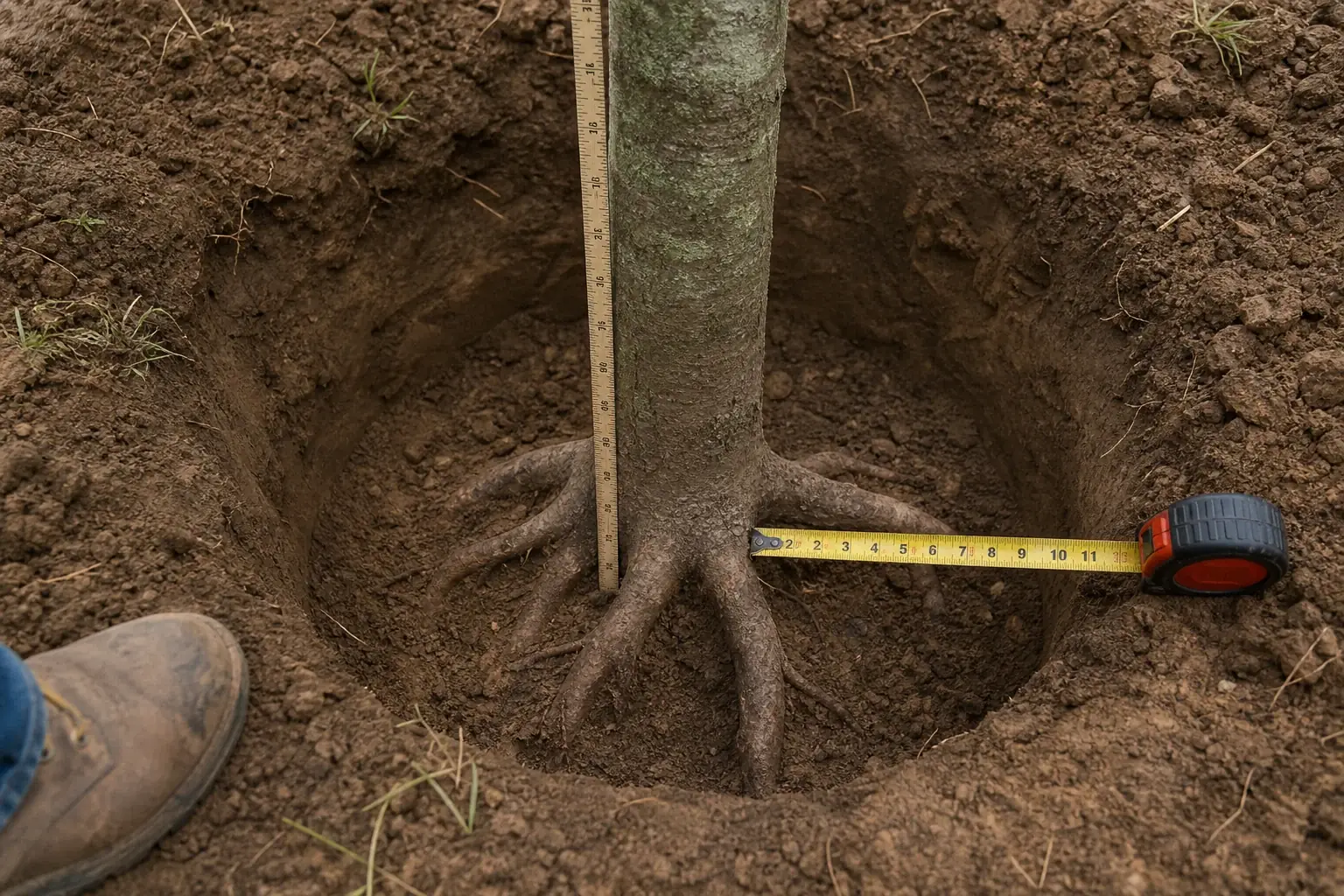
- The root flare should not be buried below grade.
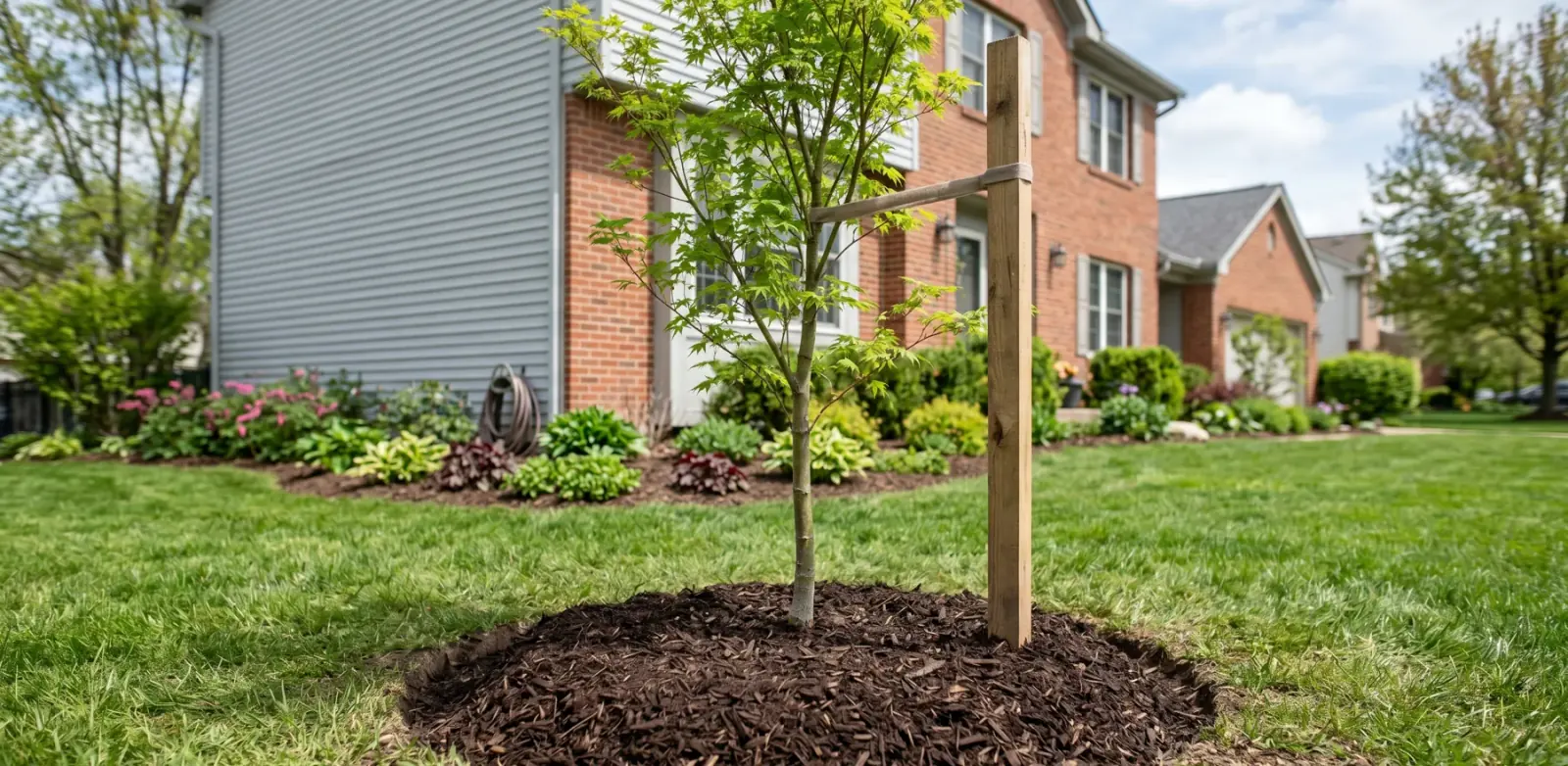
- A wide mulch ring is better than mulch piled against the trunk.
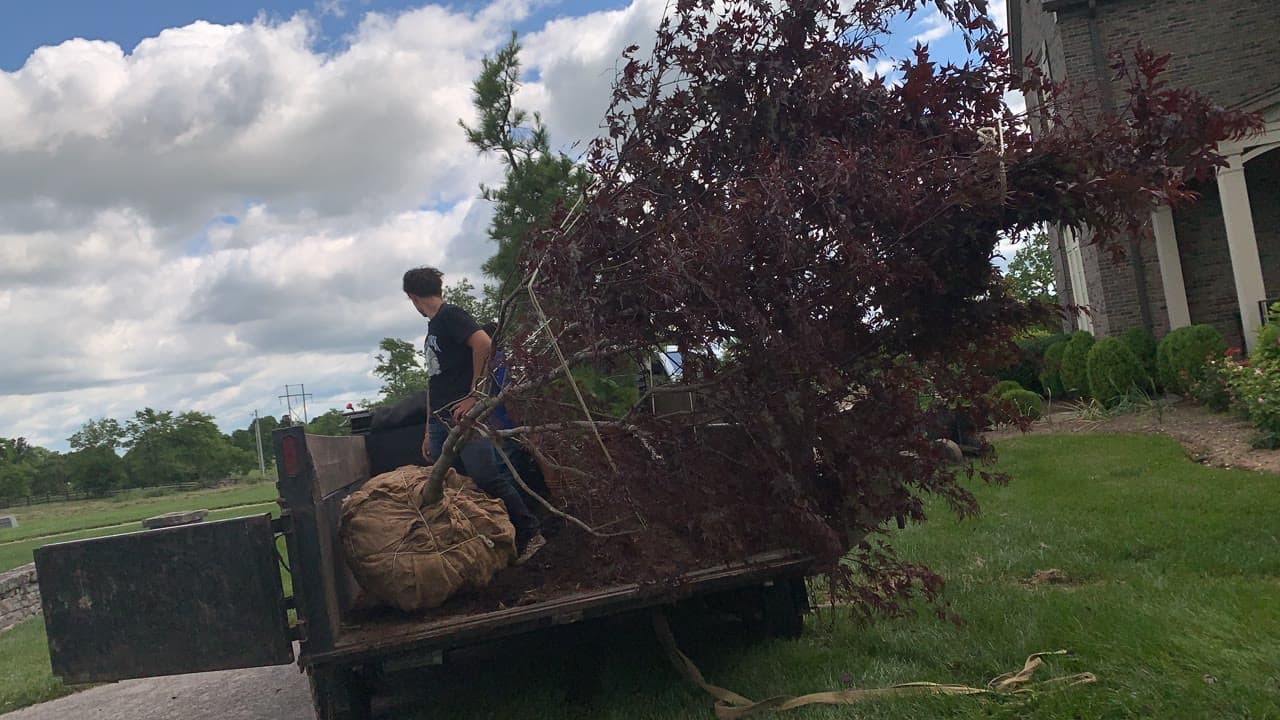
- Large or balled-and-burlapped trees usually benefit from professional handling.
Use This Guide Before Planting a New Tree
The best way to plant a tree is to choose the right tree for the site, prepare the hole correctly, set the root ball at the right height, backfill carefully, water deeply, mulch properly, and monitor the tree during establishment.
Best for
Homeowners researching how to plant a tree, tree planting guidelines, or whether a new tree should be DIY or professionally installed.
Primary handoff
Tree planting when the tree is larger, access is difficult, or correct placement and handling matter.
Main risk
Planting too deep, choosing the wrong site, poor watering, or piling mulch against the trunk can stress or kill a new tree.
PROCESS
Tree planting steps that matter most

1
Choose the right tree and place
Match mature height, canopy spread, roots, sun, soil, drainage, utilities, and the purpose of the tree before digging.

2
Prepare the root ball and hole
Dig wide enough for root spread and set the planting depth so the root flare stays near grade.
3
Set, straighten, and backfill
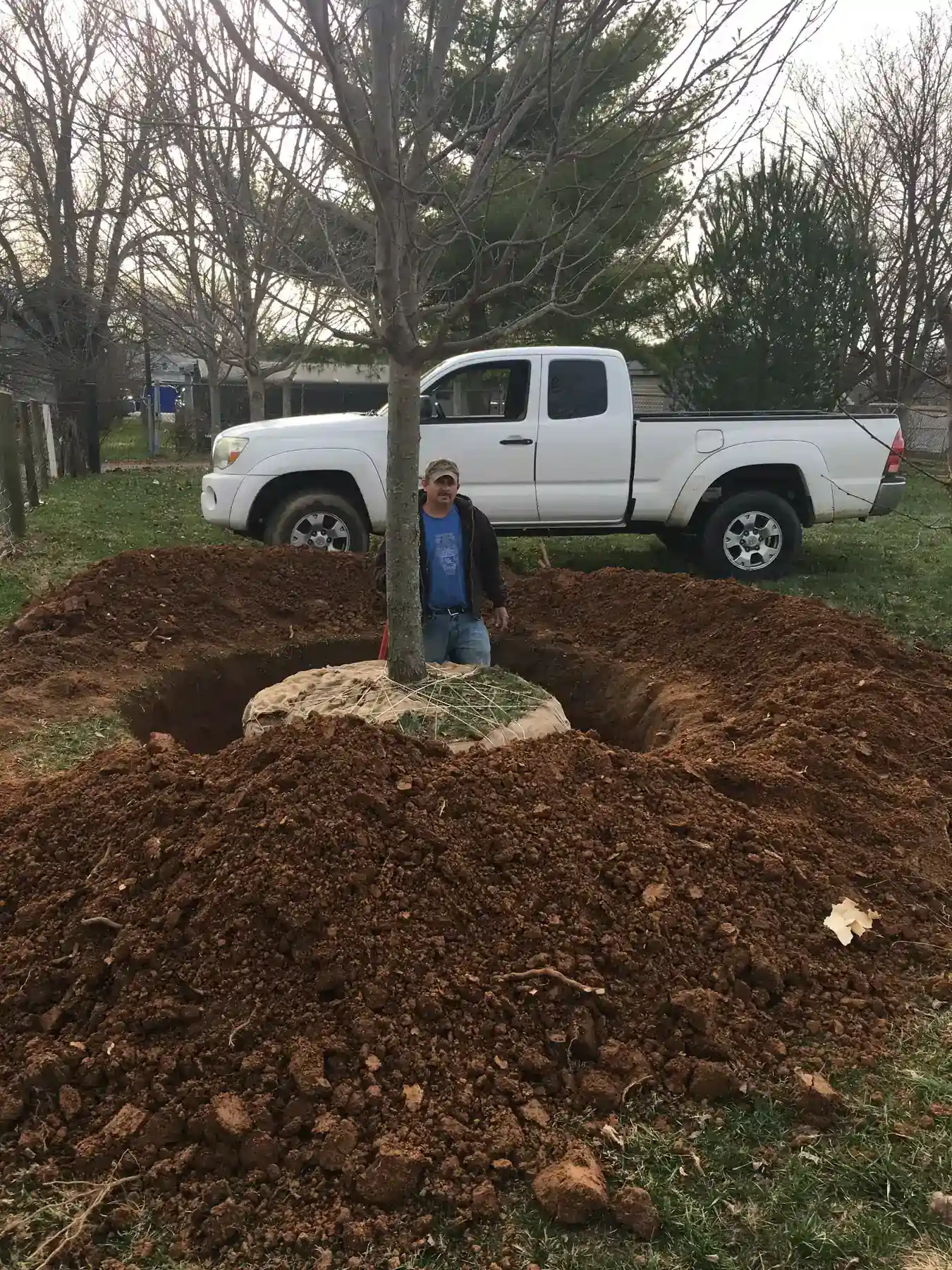
Place the tree carefully, keep it straight, backfill around the root ball, and water to settle soil without burying the trunk.
4
Mulch, water, and monitor
Build a clean mulch ring, keep mulch away from the trunk, water deeply, and watch for stress during establishment.
THE SHORT VERSION
- Tree choice should be based on mature size, purpose, light, soil, drainage, and nearby structures.
- Planting depth is critical. A tree planted too deep can struggle even if everything else looks right.
- Aftercare is part of tree planting. Watering, mulch, and monitoring decide whether the tree establishes.
SITE FIT
What to check before planting new trees
- Mature size
Height, canopy spread, and root space should fit the house, walks, utilities, and neighboring plants.
A small ornamental tree and a large shade tree need different space.
- Light
Some trees need full sun while others tolerate part shade or protected locations.
A tree placed in the wrong exposure may grow weak or sparse.
- Soil and drainage
Compacted clay, wet areas, and dry slopes change species choice and prep.
Standing water near the planting hole is a warning sign.
- Access
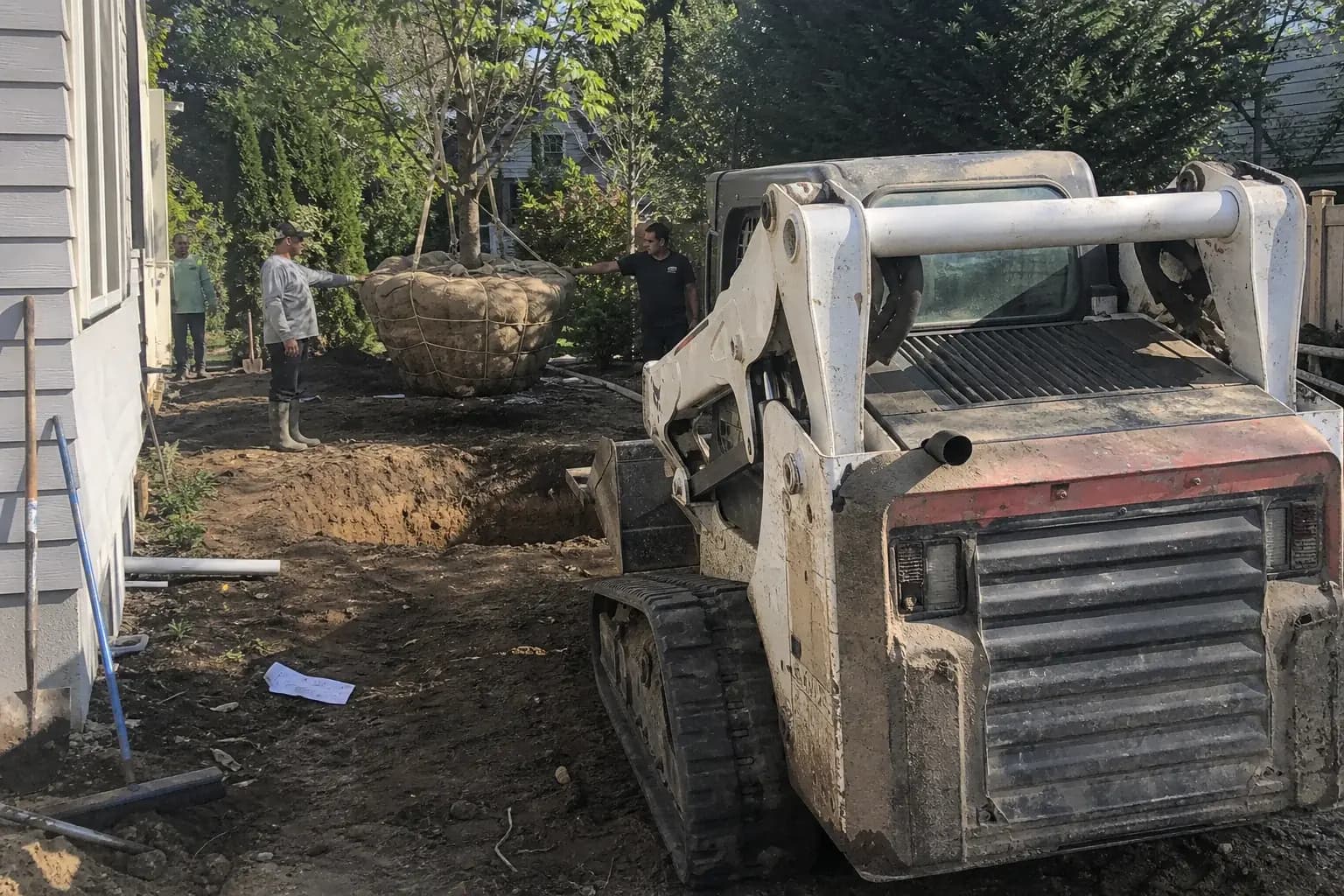
Large trees, balled-and-burlapped root balls, slopes, and tight gates affect whether DIY is realistic.
A heavy root ball can require equipment and multiple people.
- Purpose
Shade, privacy, ornamental interest, windbreaks, and replacement trees call for different choices.
A privacy screen may need a row, not one specimen tree.
DIY OR PRO
When to plant a tree yourself and when to hire help
More DIY-friendly
Small container trees in accessible spots with clear spacing and easy watering.
- •Small root ball
- •Open access
- •Simple site
- •Known species
More pro-worthy
Large trees, balled-and-burlapped trees, specimen trees, privacy rows, or tight-access installs.
- •Heavy handling
- •Equipment access
- •Depth accuracy
- •Multiple trees
Needs design first
Tree planting tied to privacy, curb appeal, patios, future beds, or long-term property layout.
- •View planning
- •Mature scale
- •Bed integration
- •Future phases
HANDOFF
Which tree planting path fits?
If
You are planting one small tree and understand the site, depth, and aftercare.
Then
Use this guide as a checklist before digging.
RELATED GUIDE
Timing affects stress and establishment.
Read planting timingIf
The tree is large, expensive, balled-and-burlapped, or difficult to access.
Then
Use a tree planting service so handling, depth, placement, and cleanup are controlled.
BEST NEXT STEP
Large tree installs need correct handling and site prep.
See tree plantingIf
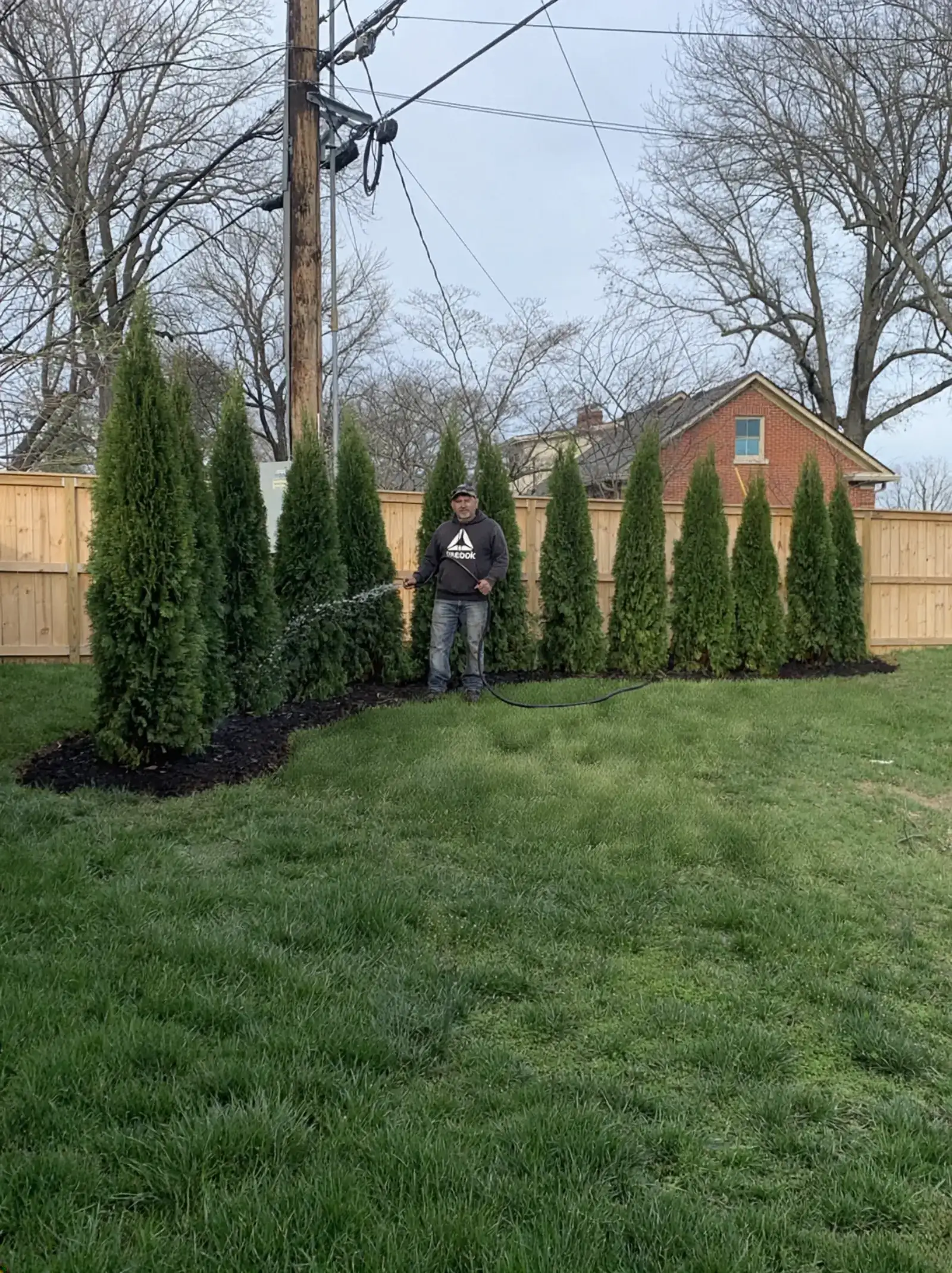
The goal is privacy or screening along a property line.
Then
Use privacy tree planning instead of treating it as a one-tree project.
SCREENING PATH
Rows need species, spacing, and mature-coverage planning.
See privacy treesAFTERCARE
Care for a newly planted tree
Water deeply
Keep the root ball consistently moist during establishment without keeping the soil saturated.
Mulch wide and shallow
Use a wide mulch ring and keep mulch away from the trunk.
Check staking
Stake only when needed and avoid tight ties that rub or restrict movement.
Watch stress signs
Look for wilting, scorch, leaf drop, leaning, or soil pulling away from the root ball.
Delay heavy pruning
Remove broken or damaged limbs, but avoid unnecessary shaping while the tree establishes.
Related Proof for Tree Planting
Use these pages when tree planting research should become local installation, privacy screening, or cost planning.
Continue With the Right Tree Planting Path
Use these pages after deciding whether your tree is a DIY-scale planting, larger install, privacy row, or budget-planning question.
How to Plant a Tree FAQs
Short answers for homeowners planting new trees.
What is the most important step when planting a tree?
Correct planting depth is one of the most important steps. The root flare should stay near grade instead of being buried.
Should I amend the soil when planting a tree?
Usually the bigger priority is matching the tree to the site, digging the hole correctly, and backfilling carefully. Soil amendments should not create a small isolated pocket that roots never leave.
How much should I water a newly planted tree?
Water deeply and consistently during establishment. The exact schedule depends on tree size, weather, soil, drainage, mulch, and rainfall.
Still have questions? We're happy to walk through your project.
Need help planting a tree the right way?
Send photos, tree goals, access notes, and whether the tree is for shade, privacy, or curb appeal so Orlando's can confirm the right planting path.