

Planting Shrubbery: How to Choose, Place, and Care for Shrubs
A practical guide to planting shrubbery, including privacy hedges, low-maintenance shrubs, ornamental shrubs, site prep, planting depth, watering, mulch, and maintenance.
QUICK ANSWER
The best way to plant shrubbery is to match the shrub to the site before digging.
Choose shrubs by role, mature size, sun or shade, water needs, deer pressure, and maintenance expectations. Then plant at the right depth, backfill carefully, water deeply, mulch without burying the stem, and monitor the first growing season.
- Privacy hedges need mature-width spacing, not container-size spacing.
- Low-maintenance shrubs still need correct placement, mulch, and establishment watering.
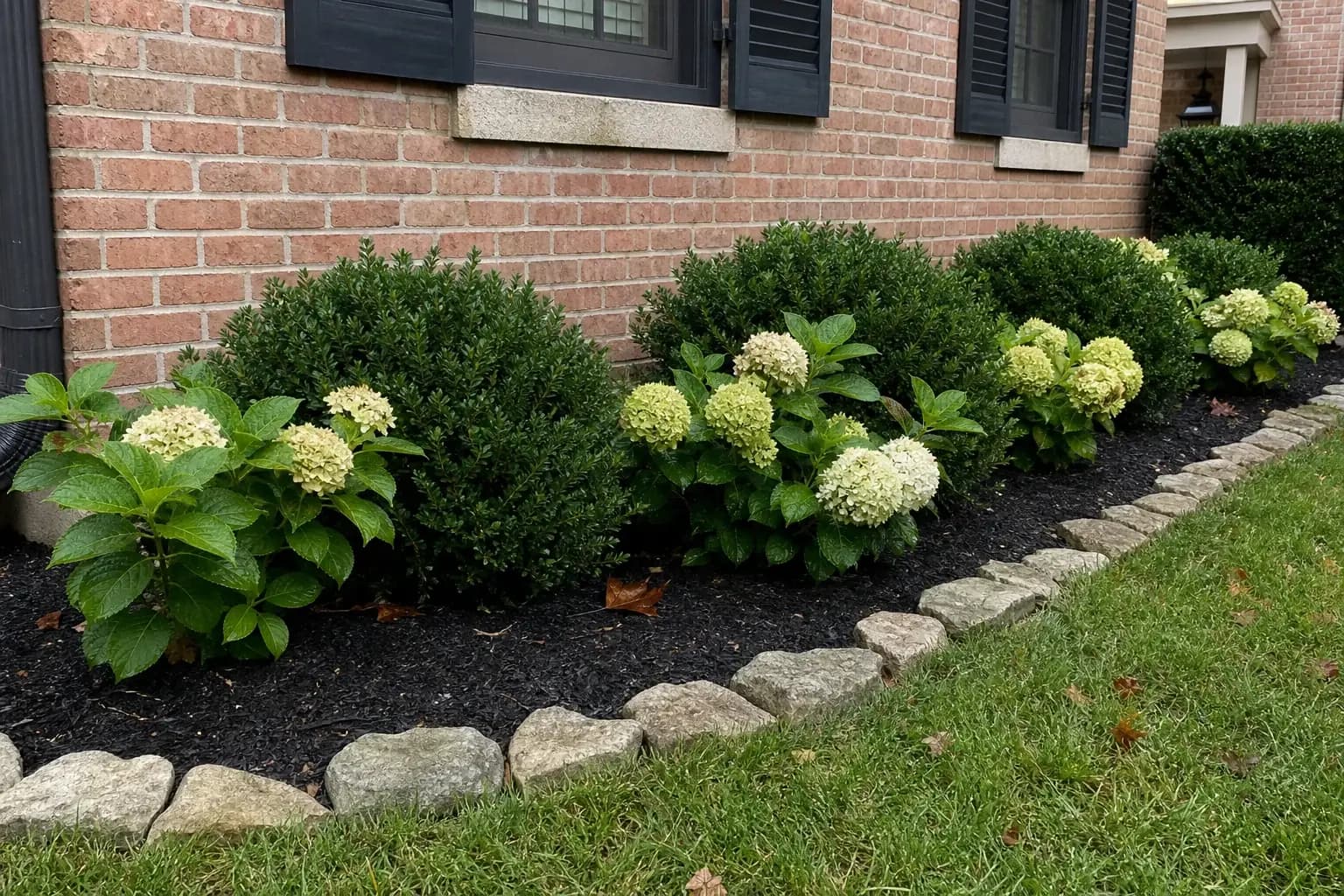
- Ornamental shrubs should support the whole bed instead of becoming isolated plants.
Use This Guide Before Planting Shrubs Around the House
Planting shrubbery works best when the plant role, mature size, light exposure, soil condition, spacing, and maintenance expectations are decided before the shrubs go in the ground.
Best for
Homeowners comparing privacy hedges, low-maintenance shrubs, ornamental shrubs, and foundation planting options.
Primary handoff
Planting installation when the shrub choices and bed fit are ready for professional installation.
Main risk
A planted bush can look fine on day one and still fail if it is too deep, too close, wrong for the light, or crowded at mature size.
Choose shrubbery by the job it needs to do
Shrubs can screen, structure, soften, flower, or fill a bed. The right role changes spacing and plant choice.
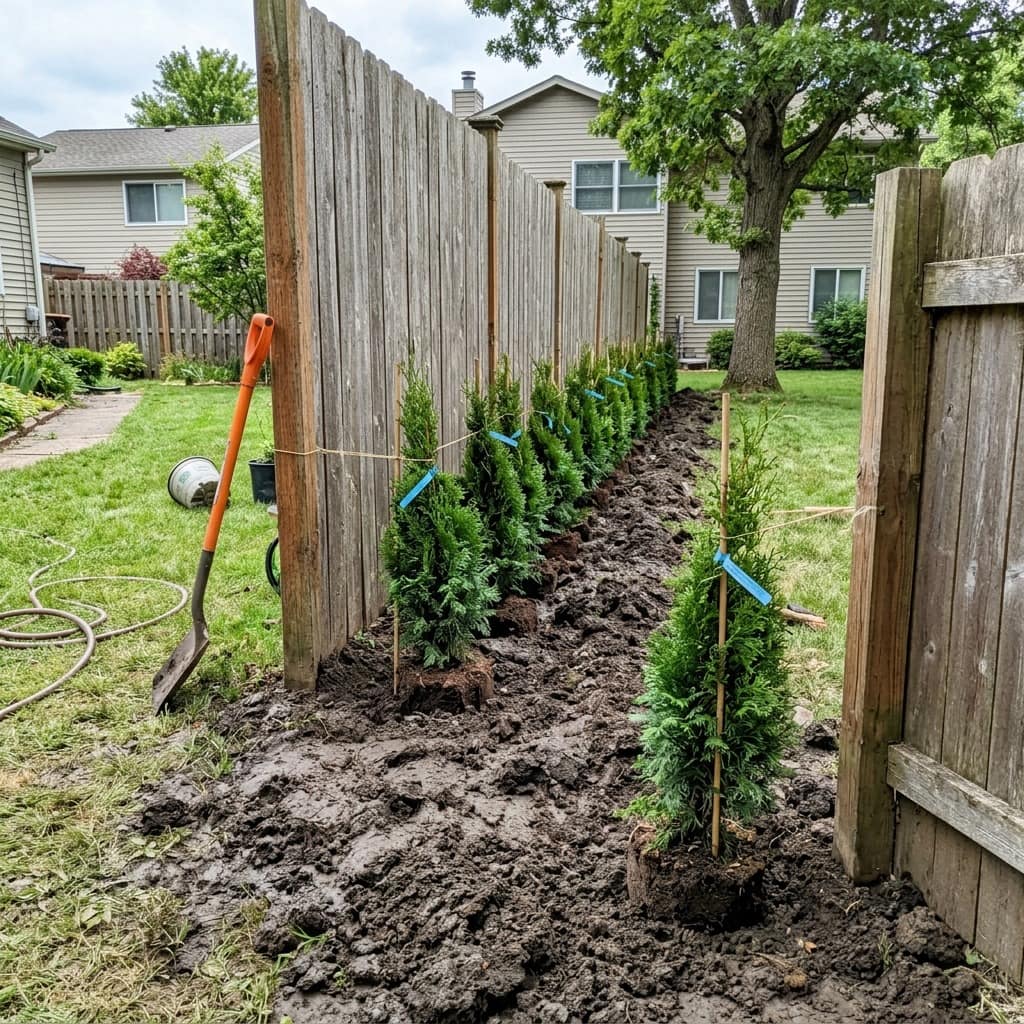
Privacy hedges
Screening shrubs and evergreens need mature spacing and a clear sightline goal.
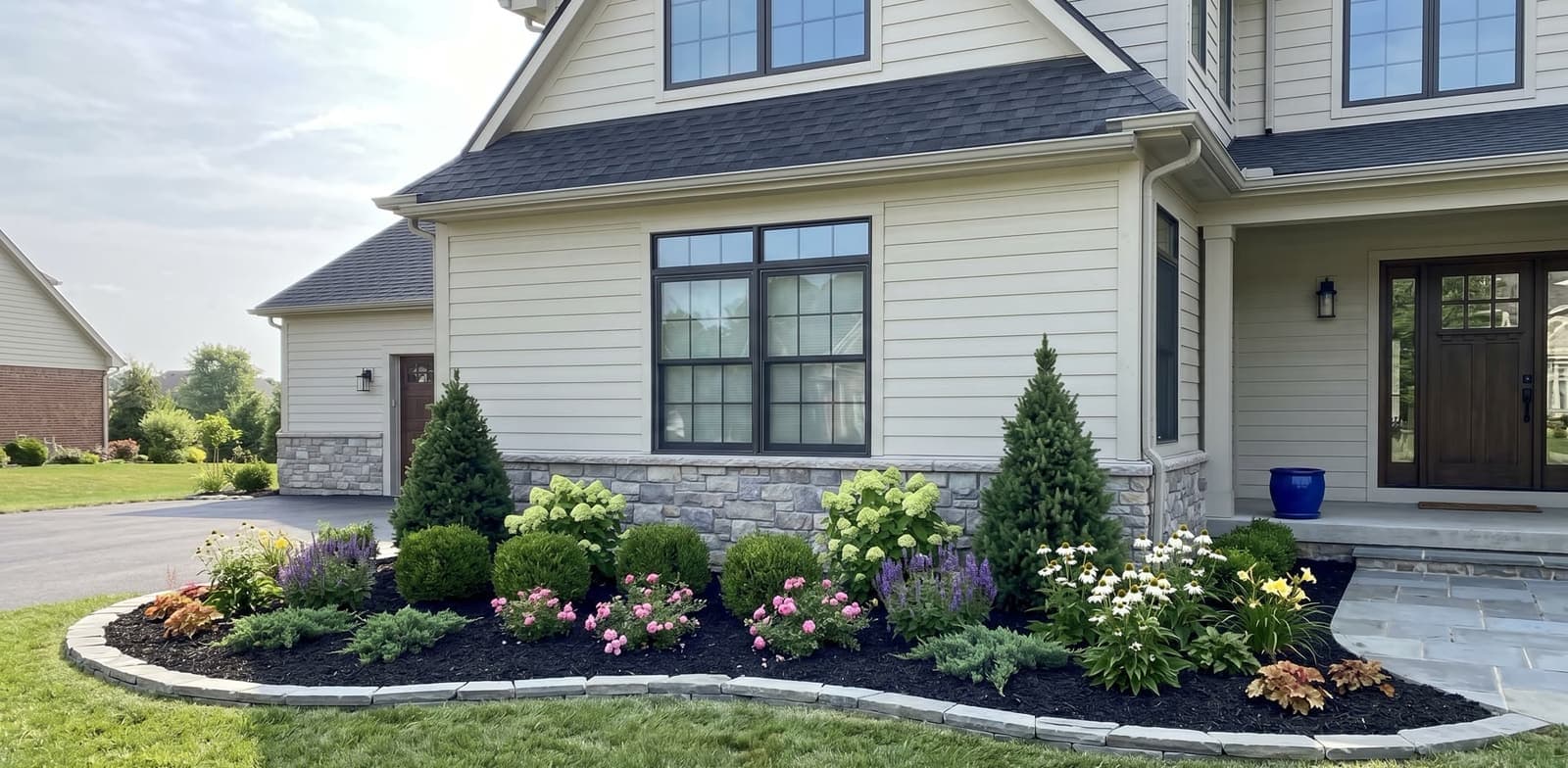
Foundation shrubs
Layered shrubs should fit windows, walks, and the architecture at mature size.
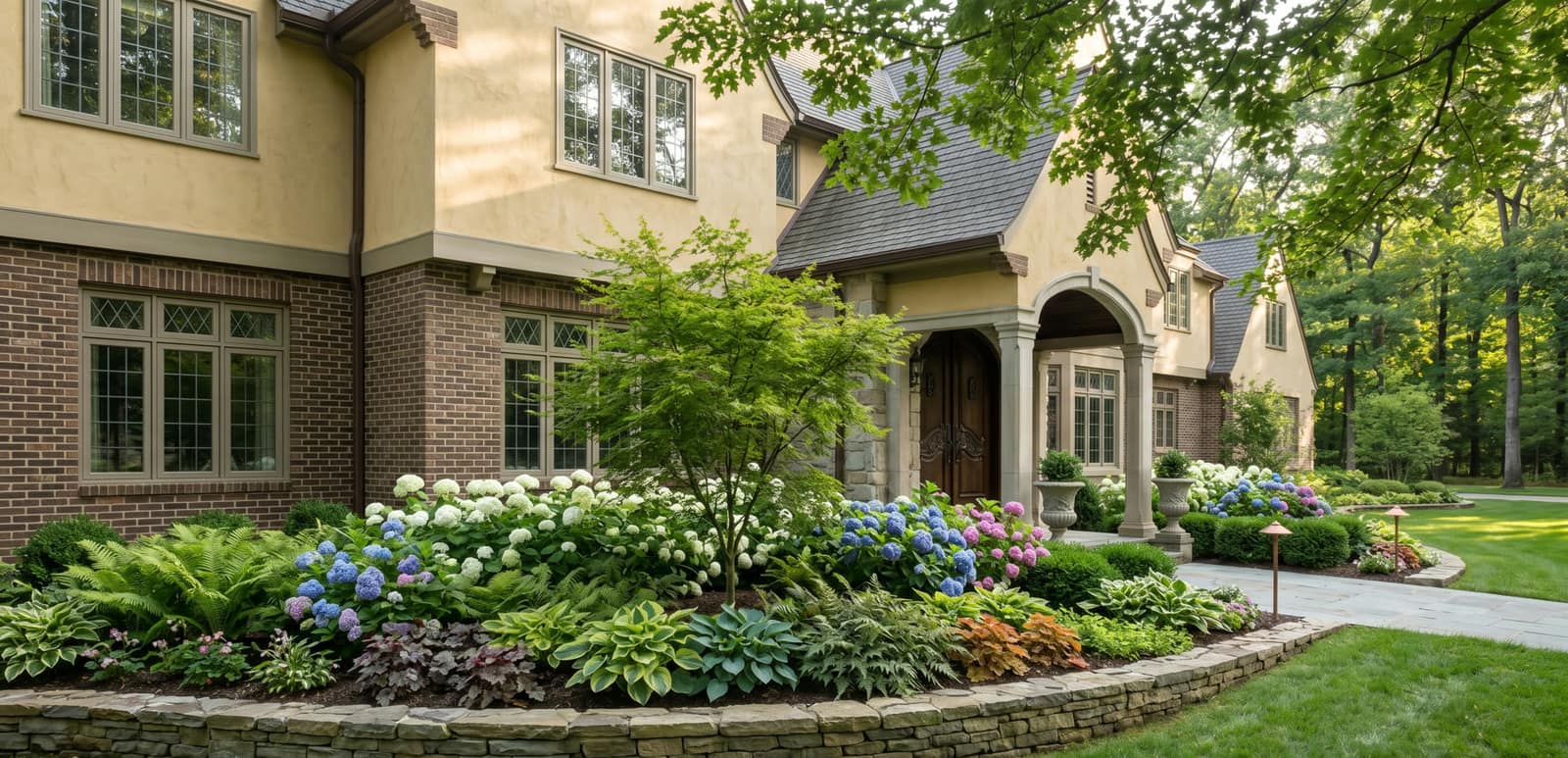
Shade-fit shrubs
Light exposure should shape the plant list before installation.
THE SHORT VERSION
- Planting shrubbery starts with role and site fit before the nursery choice is made.
- Shrub spacing should be based on mature size, especially for privacy hedges and foundation beds.
- Watering, mulch, and first-season monitoring matter even for low-maintenance shrubs.
PLANT TYPE
Privacy, low-maintenance, and ornamental shrubs have different jobs
Privacy hedges
Best when the goal is screening a view, road, neighbor, or open property line.
- •Mature spacing
- •Evergreen structure
- •Straight line or staggered row
- •Long-term height
Low-maintenance shrubs
Best when the bed needs dependable structure with fewer pruning and watering demands after establishment.
- •Right-size habit
- •Site fit
- •Mulch support
- •Moderate pruning
Ornamental shrubs
Best when color, bloom, texture, or seasonal interest should support the overall bed design.
- •Flowering interest
- •Accent placement
- •Foundation scale
- •Pruning timing
SITE PREP
What to check before planting shrubbery
- Light exposure
Full sun, part shade, and full shade support different shrub lists.
A shrub that thrives in morning sun may struggle against hot reflected afternoon light.
- Mature size
Shrubs need enough room to grow without covering windows, walks, vents, or other plants.
Container size is not the same as mature width.
- Soil and drainage
Compacted clay, wet spots, and dry slopes change plant choice and planting prep.
A shrub in a soggy low spot may need drainage attention before planting.
- Spacing
Privacy hedges, foundation masses, and accent shrubs use different spacing logic.
Too-tight spacing can create crowding and disease pressure.
- Maintenance goal
The plant list should match how much pruning, watering, and seasonal cleanup you want long term.
Low-maintenance does not mean no maintenance.
HANDOFF
When planting shrubbery needs professional help
If
You know the shrubs, bed location, and spacing are already clear.
Then
Move into planting installation so the shrubs are placed, planted, mulched, and watered correctly.
BEST NEXT STEP
Clear shrub installation belongs on the planting page.
See planting installationIf
You need privacy screening or hedge spacing along a property line.
Then
Treat the project as privacy planting so mature width and screening height are planned correctly.
SCREENING PATH
Privacy rows need spacing, species, and long-term coverage planning.
See privacy treesIf
The whole bed needs new layout, removals, or plant selection help.
Then
Start with landscape design before buying shrubs.
PLAN FIRST
Design prevents wrong-size shrubs and scattered planting decisions.
See landscape designPLANTING STEPS
Basic shrub planting sequence
Place before digging
Set shrubs in the bed first so spacing, windows, walks, and sightlines can be checked.
Dig wide, not too deep
The planting hole should support root spread without burying the shrub too low.
Set the plant at proper height
Keep the root flare or top of root ball near grade instead of sinking it.
Backfill and water deeply
Settle soil around the root ball and remove air pockets without compacting too aggressively.
Mulch correctly
Use mulch to hold moisture and suppress weeds, but keep it off the stems.
Related Proof for Shrub Planting
Use these pages when shrubbery research should become planting installation, design, or privacy screening.
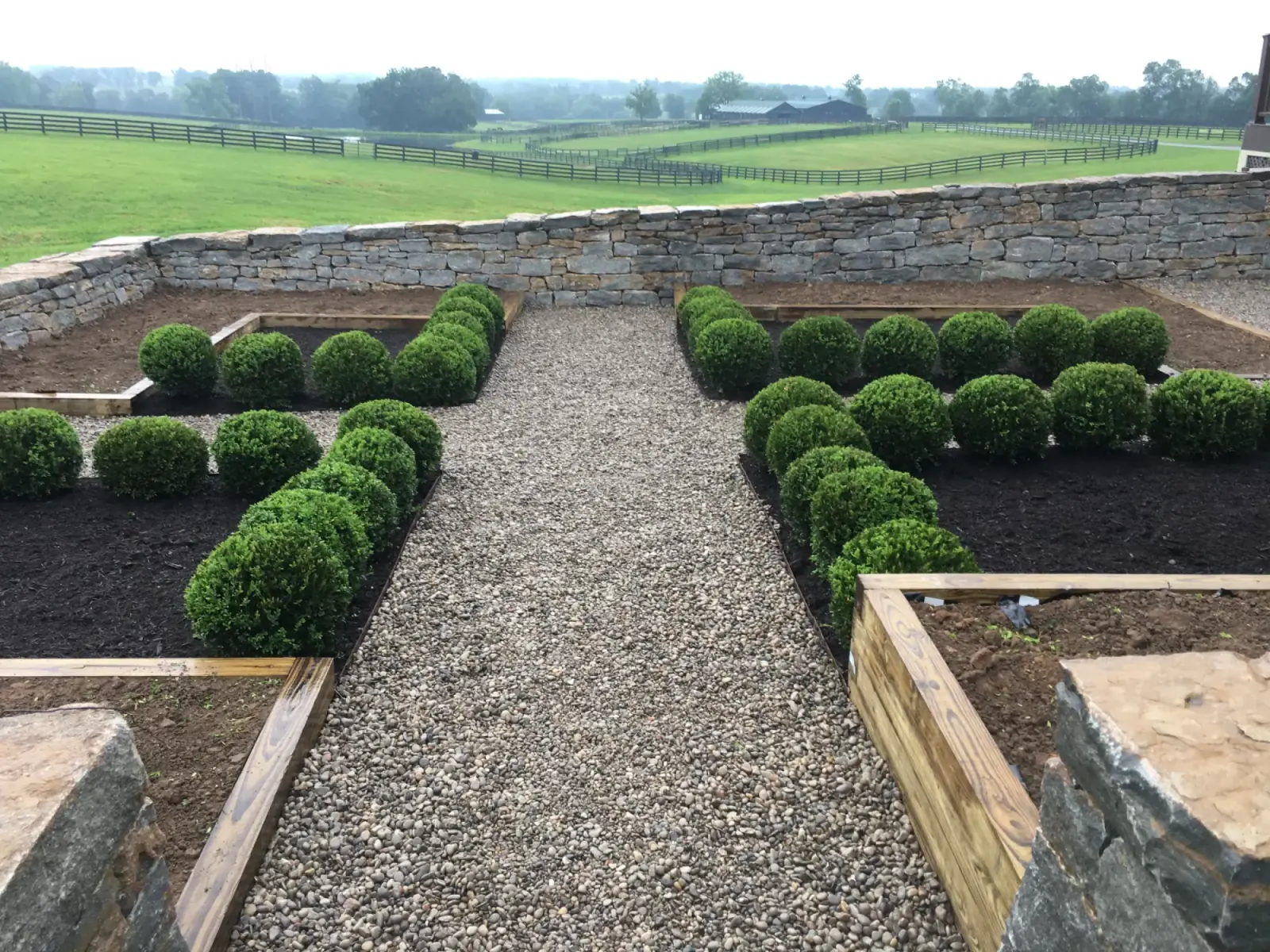
Continue With the Right Shrub Planting Path
Use these pages after deciding whether the project is simple shrub installation, privacy screening, or full bed design.
Planting Shrubbery FAQs
Short answers for homeowners choosing and planting shrubbery.
What is the best time for planting shrubbery?
Fall and spring are often safer planting windows because heat stress is lower. The right timing also depends on the shrub, site, water access, and weather.
How far apart should shrubs be planted?
Spacing should be based on mature width and the role of the planting. Privacy hedges, foundation shrubs, and ornamental accents use different spacing.
Do low-maintenance shrubs need care after planting?
Yes. Low-maintenance shrubs still need establishment watering, mulch, monitoring, and occasional pruning once they are planted.
Still have questions? We're happy to walk through your project.
Ready to plant shrubbery that actually fits the bed?
Send photos, light exposure, privacy goals, and the look you want so Orlando's can confirm whether planting, design, or privacy screening is the right path.